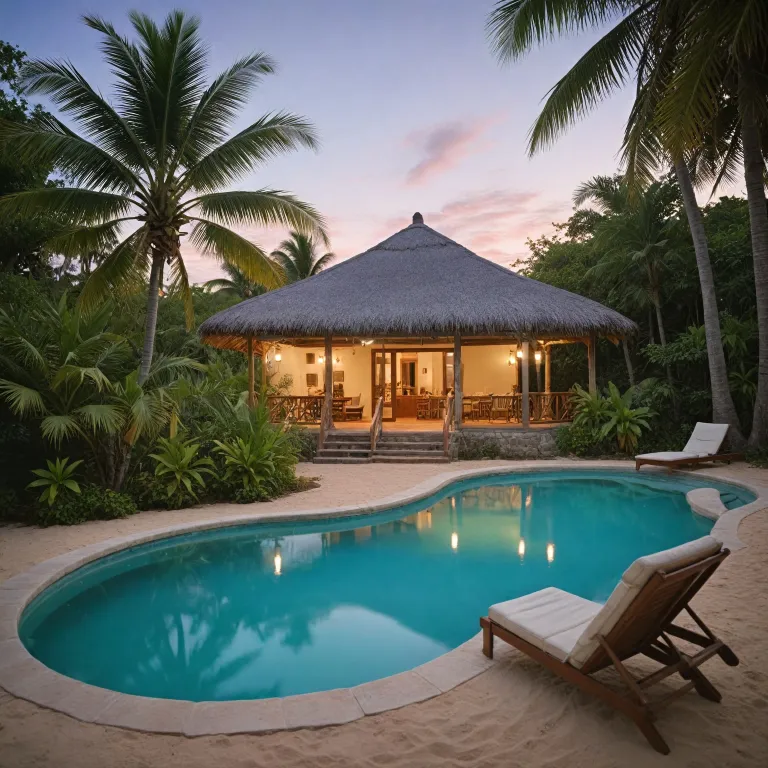
Caribbean calm on little corn island nicaragua for luxury guests
Set in turquoise waters off the east coast of Nicaragua, little corn island nicaragua feels intimate yet surprisingly sophisticated. The island measures only 2.9 km², but its quiet beaches and coral reefs attract travelers who value privacy and understated comfort. For guests used to premium stays in Central America, the island offers a slower rhythm that still respects modern expectations.
Reaching this Caribbean island Nicaragua requires intention and a bit of planning. Travelers usually fly first to big corn island, then continue by boat across the short channel to little corn. This layered journey shapes your sense of time and will naturally slow the pace before you even reach the corn islands.
On arrival, you step into a car free environment where every walk becomes part of the experience. Paths cross the side island from the main village to quiet coves, and you quickly learn which route leads to your preferred beach. The absence of cars means that even at night, the soundscape is waves, wind in palms, and distant music from a local bar.
The Little Corn Island Community of around 800 residents gives the island its character. Afro descendant Creole culture blends with Nicaraguan influences, and English is widely spoken alongside Spanish and local Creole. For luxury travelers, this close knit community adds authenticity that pairs beautifully with high end stays in a beach bungalow or refined eco lodge.
Choosing luxury stays and booking smart on little corn island nicaragua
For premium travelers, the main challenge on little corn island nicaragua is not finding a room, but selecting the right style of comfort. Options range from simple beach bungalow stays to refined eco focused properties with polished service. Because the island is small, location on the corn beach or jungle interior matters as much as room category.
Many high end guests look to the north side island, where properties like Yemaya Reefs frame views of the open Caribbean. Here, beach bungalows sit close to the sand, and the sound of waves becomes part of the nightly routine. The name yemaya appears often in conversations about island best stays, especially among travelers who value design and wellness.
When comparing luxury hotels across Nicaragua, a specialized platform can be invaluable. A curated luxury and premium hotel booking website for Nicaragua, such as this guide to elevating your stay with premium booking experiences, helps you evaluate standards consistently between little corn, big corn, and mainland cities. This is particularly helpful because star ratings are not always applied uniformly across the country.
Plan for the practical realities that shape a luxury stay on any of the corn islands. There are no ATMs on the island, so bring sufficient cash for meals, boat transfers, and snorkeling excursions. Electricity now runs 24 hours a day thanks to solar power, but some smaller properties may still manage air conditioning and hot water carefully to protect resources.
Where to stay for the best beaches, reefs, and marine life
For many guests, the main reason to visit little corn island nicaragua is the combination of soft sand beaches and accessible reefs. The island’s best beaches curve around both the east and north coasts, each with a slightly different character. Choosing the right stretch of sand can define whether your stay feels social, secluded, or focused on snorkeling.
On the north shore, the area around yemaya and Yemaya Reefs is prized for its turquoise waters and easy access to coral gardens. Here, a beach bungalow places you steps from calm swimming areas and short swims to shallow reefs. This side island setting suits travelers who want to wake, walk directly to the beach, and spend time exploring marine life without long boat rides.
Otto Beach on the northeast coast is often mentioned among the island best spots for quiet swimming and reef access. The sand is pale, the water clear, and the atmosphere relaxed even during the high season. Many guests say that a slow walk to Otto Beach at different times of day will show you how the light changes the color of the Caribbean.
On the west coast, near the main village, you find livelier corn beach areas with small bars and local restaurants. These beaches are ideal if you enjoy a social atmosphere and want to be close to the boat dock and dive shops. From here, it is easy to arrange snorkeling trips to outer reefs or to other islands in Central America, while still returning to your preferred level of comfort each night.
Snorkeling, diving, and time on the water around little corn
The waters around little corn island nicaragua offer some of the most engaging snorkeling in Nicaragua, especially for guests who value easy access from shore. Coral reefs ring much of the island, with shallow sections suitable for beginners and deeper walls for experienced free divers. Many visitors say the combination of warm Caribbean currents and clear visibility makes this one of the best beaches regions for underwater exploration.
Local operators, including family run outfits like Three Brothers, organize daily snorkeling and diving excursions. These trips often visit multiple reefs in a single outing, allowing you to compare coral formations and marine life in different parts of the corn islands. Between stops, the boat rides themselves offer wide views of big corn, little corn, and the open sea that separates Nicaragua from other parts of Central America.
Marine life is abundant, with frequent sightings of rays, turtles, and schools of reef fish. Responsible operators emphasize reef safe sunscreen and careful finning to protect delicate corals, aligning with the island’s broader goal of sustainable tourism. For luxury travelers, private charters can be arranged so that your group sets the pace and chooses the time you will spend at each site.
Back on land, design focused properties increasingly reflect this marine environment in their interiors. For an overview of how high end stays across Nicaragua integrate coastal aesthetics, this article on interior design trends for discerning travelers offers useful context. It can help you evaluate whether a beach bungalow or villa on little corn aligns with your expectations of Caribbean inspired luxury.
Nightlife, dining, and local culture on little corn island nicaragua
Evenings on little corn island nicaragua are quieter than in many Caribbean destinations, but they hold a distinct charm. As the sun sets over big corn and the sky shifts through deep colors, most guests gather along the west coast beaches. Here, you can enjoy a drink while fishing boats return and the first lights appear in the village.
Nightlife centers on a handful of bars and restaurants where locals and visitors mix easily. Music ranges from reggae to Nicaraguan ballads, and the atmosphere remains relaxed rather than loud. Walking between venues is part of the experience, and a small headlamp is useful on the darker paths that cross the side island.
Dining reflects both the island’s Afro descendant heritage and its connection to mainland Nicaragua. Fresh corn, coconut, and seafood feature heavily, often prepared in simple but flavorful ways that highlight local ingredients. Many luxury properties offer refined versions of these dishes, while still encouraging guests to eat at local spots to support the community.
“Bring sufficient cash, as there are no ATMs on the island,” and “Pack a headlamp for navigating after dark, especially if staying outside the main village.” These practical notes from experienced travelers underline how even premium stays must adapt to island realities. For many guests, this blend of comfort and simplicity is precisely what makes little corn and the wider corn islands worth visiting.
Planning logistics, safety, and whether little corn is worth visiting
Thoughtful planning is essential for a smooth luxury stay on little corn island nicaragua. Flights to big corn are limited, and boat schedules between big corn and little corn can be affected by weather. Allow buffer time in your itinerary so that any delay in the boat crossing does not compromise onward connections from Nicaragua to the rest of Central America.
Once on the island, most movement happens on foot along sandy paths that link beaches, hotels, and the village. Good walking sandals are important, especially if your beach bungalow sits on a more remote side island location. Many guests appreciate that every walk reveals new views of the Caribbean and reinforces the feeling of being far from city life.
Safety conditions are generally calm, with the close knit Little Corn Island Community contributing to a welcoming atmosphere. Standard travel awareness still applies, but most visitors report feeling comfortable walking at night along main paths. Electricity now runs 24 hours a day, which improves lighting and supports reliable services in higher end properties.
For travelers comparing islands, a common question is whether little corn or big corn offers the best beaches and overall experience. Little corn feels more intimate and car free, while big corn provides easier logistics and more varied services. Many guests choose to spend time on both islands, using big corn as a gateway and little corn as the quieter, more exclusive phase of their Nicaragua journey.
Deep luxury: aligning expectations with reality on little corn island nicaragua
Luxury on little corn island nicaragua is less about marble lobbies and more about space, silence, and proximity to nature. The island best experiences often involve simple pleasures executed at a high standard, such as a perfectly prepared seafood dinner eaten steps from the beach. For many guests, the ability to walk from a refined room directly into turquoise waters defines true Caribbean indulgence.
Because the island is small, premium travelers should think carefully about what matters most. If you prioritize snorkeling and marine life, choose a property close to key reefs or with its own dock for boat departures. If you value privacy above all, a beach bungalow on a quieter side island stretch may feel more exclusive than a larger resort.
Digital connectivity can be intermittent, which some guests see as a benefit rather than a limitation. This environment encourages you to measure time by tides, meals, and walks instead of notifications. When a gentle sea breeze opens window shutters in the morning, many visitors feel that this slower rhythm is precisely why little corn and the wider corn islands are worth visiting.
In a broader Nicaraguan context, little corn stands alongside places like Río Escondido and inland eco lodges as part of a growing network of sustainable, high quality stays. Together, these destinations show how Nicaragua is redefining Caribbean and Central American luxury in a more grounded, community focused way. For travelers who appreciate authenticity as much as comfort, this small island offers a compelling balance.
Key figures about little corn island nicaragua
- Island area is approximately 2.9 km², giving little corn an intimate, walkable scale.
- The resident population is around 800 inhabitants, forming a close knit community.
- Electricity availability now reaches 24 hours per day, largely supported by solar power.
Questions travelers often ask about little corn island nicaragua
How do I get to little corn island nicaragua ?
Travelers typically fly to big corn island and then take a boat to little corn island, with schedules influenced by weather and sea conditions. It is wise to plan at least one buffer night in Nicaragua before and after your island stay. This reduces stress if a flight or boat crossing between the corn islands is delayed.
Are there ATMs on little corn island nicaragua ?
There are no ATMs on the island, so you should bring sufficient cash for your entire stay. Many premium properties accept cards, but smaller restaurants, snorkeling operators, and local shops often work only with cash. Planning your budget in advance ensures you can enjoy both luxury services and local experiences without concern.
Is electricity available 24/7 on little corn island nicaragua ?
Yes, the island now benefits from 24 hour electricity, thanks largely to solar power installations. This supports air conditioning, reliable lighting, and charging for devices in most higher end accommodations. However, some eco focused properties may still encourage moderate use to protect both the grid and the environment.