Considering a stay on the Corn Islands in the South Caribbean region of Nicaragua? Compare Big Corn and Little Corn, discover island hotels, boutique stays, beach life, dining, eco tourism and practical tips for booking the right hotel.
Is the South Caribbean region of Nicaragua right for your stay on the Corn Islands?
Is the South Caribbean region of Nicaragua right for your stay?
Warm trade winds, low-rise island hotels and a horizon of pure Caribbean blue make the South Caribbean region of Nicaragua a very particular choice for a beach escape. This is not a coast for hurried itineraries. It suits travelers who prefer a slower trip, a quiet island beach and a sense of distance from the mainland, with time to linger over local cuisine and sunset views.
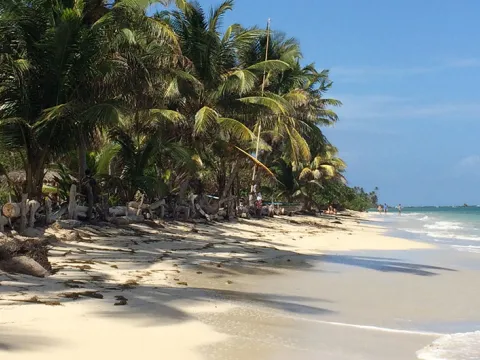
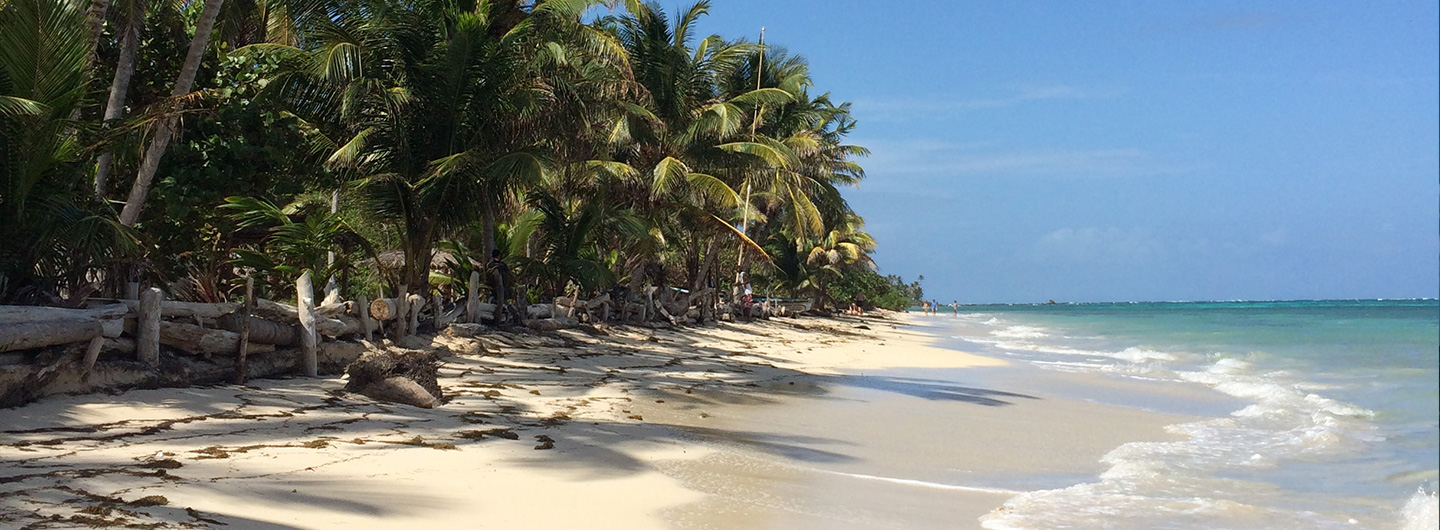
The Corn Islands sit about 70 km off the Caribbean coast of Nicaragua, in the South Caribbean Coast Autonomous Region (RACCS), and they define the area’s hotel scene. Most properties cluster around the coves and bays of Big Corn, with smaller, more secluded stays scattered along the paths of Little Corn. You come here for sea, sand and a feeling of being surrounded by beautiful water on all sides, whether you choose a simple guesthouse or a boutique hotel.
Compared with the Pacific side of the country, the south Caribbean region offers fewer hotels but a more intimate atmosphere. You trade nightlife and shopping for palm-fringed beaches, local cuisine based on coconut and fresh fish, and a quieter Caribbean rhythm. If that sounds like your idea of an island paradise, this region is a strong candidate for your next stay in Nicaragua, especially if you value small-scale island hotels over large resorts.
Atmosphere and location: Big Corn versus Little Corn
Landing on Big Corn (airport code RNI), the first impression is practical: a small runway, a ring road, and the sea never more than a few minutes away. Flights from Managua’s Augusto C. Sandino International Airport (MGA) with domestic carriers such as La Costeña usually take around 1 hour, and the airport sits only a short taxi ride from most Corn Island hotels. Hotels south of Brig Bay tend to face long, walkable stretches of sand, while the eastern side offers wilder surf and fewer buildings. You can circle the island by taxi in under half an hour, which keeps every location within easy access.
Little Corn, reached by boat from the main dock on Big Corn, feels immediately different. The public panga ride typically takes 25–40 minutes depending on sea conditions, and you step off at a simple pier rather than a busy port. No cars, sandy paths under breadfruit trees, and island hotels tucked between coconut palms and coral shallows define the mood. Here, the “street” is often a narrow trail where you walk past a restaurant grilling lobster, then a small eco lodge with hammocks almost touching the water.
Choosing between the two is a question of temperament. Big Corn suits travelers who want a bit more structure, easier logistics and a choice of dining spots along the coast of Nicaragua’s Caribbean region. You will find hotels south of Brig Bay such as Arenas Beach Hotel or Casa Canada offering direct beach access and sea-view pools. Little Corn rewards those who value seclusion, barefoot walks to dinner and the sense that the island beach is shared with only a handful of other guests, with rustic cabins and boutique hotels like Yemaya Reefs or Little Corn Beach and Bungalow spread along the shore.
What to expect from hotels in the South Caribbean region
Rooms here are usually low-rise and close to the sea, rather than high towers. Many hotels line the shoreline with cabana-style rooms, often with private balconies or terraces facing the water. You wake to the sound of waves rather than traffic, and the best rooms feel almost suspended between sea and sky, with views that make even a simple stay feel like a special trip.
On Big Corn, several properties sit directly on the beach, with lawns that run down to the sand and simple paths to the water. Some offer an infinity pool cut into the rocky coastline, giving you a front-row view of the Caribbean without leaving the deck. Others lean into an eco tourism approach, using natural materials and open-air layouts to keep the focus on the landscape. Typical nightly rates for mid-range Corn Islands hotels often fall between US$70 and US$150, with higher prices for suites or the best boutique options in peak season.
Little Corn tends to be more rustic by design. Expect wooden bungalows, ceiling fans, and open verandas where you can watch the light change over the reef. The luxury here is not marble and chandeliers, but space, silence and the feeling of being surrounded by beautiful sea and jungle rather than by crowds. Many island hotels rely on solar power and rainwater collection, so eco-minded guests often appreciate the balance between comfort and low-impact living on this part of the Caribbean coast.
Beach life, dining and local culture
Days on the Corn Islands follow the tide. Mornings often start with a walk along the island beach, when the light is soft and the water almost glassy. Snorkeling and diving boats leave from simple wooden piers, heading towards reefs where the Caribbean coast of Nicaragua shows its full palette of blues and greens. Dive shops on Big Corn and Little Corn can arrange trips to nearby sites in 10–30 minutes by boat, so you spend more time in the water than in transit.
Food is a highlight if you enjoy local cuisine. Many small restaurants and hotel dining rooms serve fish caught the same day, coconut rice, plantains and stews scented with herbs grown in island gardens. You are more likely to eat grilled snapper under a thatched roof than to find elaborate tasting menus, but the flavors are clear and rooted in place. Popular spots such as Comedor Maris on Big Corn or beachfront dining rooms attached to boutique hotels on Little Corn give you the chance to try rondón, lobster and other Caribbean dishes without leaving the sand.
Cultural life is low-key yet present. English is widely spoken alongside Spanish and Creole, and you will hear all three languages on the main street near Brig Bay. Music drifts from porches in the evening, and it is common for hotels to organize simple barbecues or seafood nights rather than formal events, keeping the focus on the sea, the sky and the people around the table. Talking with staff and boat captains about island history, fishing traditions and daily life often adds as much to your trip as any formal tour.
How to choose and book the right hotel south Caribbean region Nicaragua
Start with your priorities. If you want direct beach access, look for hotels that sit on the sand rather than across the road, especially along the western shore of Big Corn. If you prefer dramatic views, a seafront property on a rocky point with an infinity pool and elevated decks will give you a wider horizon, even if the nearest swimming cove is a short walk away. Reading recent guest reviews can help you confirm whether the photos match reality and how quiet each location feels at night.
Eco-minded travelers should pay attention to how each hotel describes its approach to eco tourism. Some focus on low-impact construction and natural ventilation, others on supporting local activity and sourcing food from island producers. The most rewarding stays tend to combine both, offering comfort without losing the sense of place. When you compare boutique hotels, check whether they mention reef-safe toiletries, community projects or guided nature walks, as these details often distinguish the best boutique stays from more generic options.
When you book, consider the practicalities of your trip. Domestic flights from Managua to the Corn Islands are limited, and boat transfers to Little Corn depend on sea conditions. It is wise to align your hotel stay with flight times, and to verify whether your chosen location offers help with transfers, luggage and early or late arrivals. Many properties can pre-arrange taxis, coordinate with the public panga schedule and advise on typical costs so you are not negotiating everything on the dock.
Who this region suits best – and who should look elsewhere
The South Caribbean region of Nicaragua is ideal for travelers who value calm over spectacle. Couples seeking a quiet island paradise, solo travelers who like to read on a terrace with a sea view, and small groups of friends who prefer conversation to nightlife will feel at home here. The scale is human, the nights are dark and starry, and the loudest sound is usually the surf, especially at smaller boutique hotels set away from the main docks.
It is less suited to those who want a dense choice of restaurants, shopping streets or a long list of organized activities. The Caribbean region here is about simple pleasures: swimming, walking, eating well, talking to locals, watching the weather move across the water. If you need constant entertainment, you may find the rhythm too slow, and a larger resort on the Pacific coast of Nicaragua might be a better fit for your trip.
Families can enjoy the islands, especially with children who are happy on the beach and in the water, but should check each hotel’s layout and room types carefully. Some properties are better designed for couples, with smaller rooms and more intimate common areas, while others offer larger units and gardens where children can move freely. Asking in advance about extra beds, interconnecting rooms and shaded play areas will help you find hotels that match your family’s needs.
Practical tips for a refined stay on the Corn Islands
Timing matters. The dry season from December to April generally offers the most reliable weather, clearer water and calmer seas for boat transfers. Outside these months, the islands remain attractive, but you should be more flexible about sea conditions and potential changes to your trip. Prices for flights and hotels can also fluctuate with demand, so booking early for holiday periods often secures better availability and occasional special offers.
When you compare hotels south of Brig Bay or along the eastern shore, look beyond photos. Pay attention to the orientation of the property, the distance to the nearest swimming beach, and whether your room category includes private balconies or terraces. A well-placed veranda can transform a simple room into a memorable stay. Check whether the hotel description mentions reliable Wi‑Fi, backup power and on-site dining, as these details can shape your experience on a small island.
Finally, think about how you like to spend your days. If you want to explore, choose a location with easy access to walking paths and small coves. If you plan to stay mostly on property, prioritize a hotel with comfortable outdoor areas, thoughtful dining and enough shaded corners to follow the sun without ever leaving the coast of Nicaragua’s Caribbean side. When you look at room photos, imagine where you will sit with a book, how the light falls at different times of day, and whether the view from your terrace matches the island escape you have in mind.
What is the best time to visit the Corn Islands?
The most favorable period to visit the Corn Islands is generally the dry season, from December to April, when you can expect more stable weather, sunnier days and clearer sea conditions for swimming, snorkeling and boat transfers. Outside these months, the islands are quieter but you should be prepared for more rain and occasional disruptions to sea travel, which can affect both domestic flights and the panga schedule between Big Corn and Little Corn.
Are there direct flights to the Corn Islands from Managua?
Yes, there are domestic flights from Managua to the Corn Islands, which significantly shortens the journey compared with traveling overland to the Caribbean coast. Carriers such as La Costeña typically operate these routes, and flight schedules can vary, so it is important to coordinate your hotel stay with available departure and arrival times to avoid long waits at the small island airport or missed connections with onward boats.
Is English widely spoken in the South Caribbean region of Nicaragua?
English is commonly spoken on the Corn Islands alongside Spanish and local Creole, which makes communication relatively easy for many international visitors. You will hear English in hotels, restaurants and small shops, especially around Brig Bay on Big Corn and along the main paths of Little Corn. This mix of languages reflects the broader history of the Caribbean coast and often makes it easier to ask for directions, arrange boat trips or discuss menu options in local restaurants.
How do I choose between Big Corn and Little Corn for my stay?
Big Corn is better if you want easier logistics, a ring road for quick taxi rides, and a slightly wider choice of hotels and restaurants along the beach. It suits travelers who prefer straightforward access from the airport to their hotel and who like having several dining options within a short walk or ride. Little Corn is the right choice if you prefer a car-free island, sandy paths, smaller properties and a more secluded atmosphere where most movement is on foot or by boat, and where boutique hotels and eco lodges sit directly on the sand.
What should I check before booking a hotel in the South Caribbean region?
Before you book, verify the hotel’s exact location on the island, its access to a swimmable beach, and whether your chosen room type offers the sea view or terrace you expect. It is also wise to confirm how the property handles transfers from the airport or dock, and to align your travel dates with the domestic flight schedule between Managua and the Corn Islands. Reading a mix of recent reviews and looking closely at room descriptions will help you find hotels that match your expectations for comfort, dining and overall atmosphere on this part of Nicaragua’s Caribbean coast.