Discover the best hotels in León, Nicaragua, from colonial boutique stays in the historic center to quiet luxury properties on the edges of the city. Learn where to stay, how to choose the right room, and what makes León’s hotel scene ideal for culture-focused travelers.
Why León, Nicaragua works for discerning travelers
Heat rises off the cobblestones around Parque Central while the white bulk of the cathedral throws deep shade across the square. León is not a polished resort city; it is a living, intellectual capital with a strong sense of self, and that is exactly why its hotels feel so distinctive. For travelers used to predictable luxury, the León region offers something rarer: character, history, and a direct line into local life.
Staying in a hotel here suits travelers who want a city with layers. You wake to church bells, not beach clubs, and step out from your room straight into a colonial grid where murals, market stalls, and university life mix within a few blocks. The best properties lean into this context, often housed in restored colonial buildings with thick walls, internal courtyards, and long, tiled corridors that stay cool even when the Pacific sun is unforgiving.
For a first stay, the central area around the cathedral and the streets leading toward La Recolección church is the most practical choice. From a hotel near the center of León, you can walk to almost everything that matters in under 10 minutes: the main square, the Ortiz-Gurdián art museum, serious coffee bars, and the city’s most reliable restaurants. If you are deciding between León and Granada for a few nights in Nicaragua, León is the more intense, less manicured option, better for travelers who prefer a working city to a postcard.
Top boutique and luxury hotels in central León
To translate that atmosphere into an actual booking, start with a few of the best boutique hotels in León, Nicaragua clustered around the historic core. Hotel El Convento, just a short walk from Parque Central on Calle Rubén Darío, occupies a former convent and is one of the most established upscale options in the city. Rooms are arranged around cloistered courtyards, with a pool, leafy gardens, and a small on-site restaurant; it suits travelers who want classic colonial style, reliable comfort, and secure parking, though prices sit at the higher end of the local range.
A few blocks from the cathedral, Hotel La Perla León offers another refined stay in a restored mansion, with high ceilings, tiled floors, and a central courtyard pool. This property works well for couples and first-time visitors who want a polished but still local-feeling base, with easy walking access to cafés and museums; some street-facing rooms can pick up noise, so request an inward-facing category if you are a light sleeper. For a more intimate boutique experience, Hotel Flor de Sarta near Iglesia La Recolección combines warm service, a compact pool, and thoughtfully designed rooms, making it a strong mid-range choice for guests who value personal attention over extensive facilities.
Top picks at a glance (central León hotels)
Hotel El Convento – $$$ – Former convent with gardens and pool; best for travelers wanting full-service comfort and on-site parking.
Hotel La Perla León – $$$ – Elegant colonial mansion close to the main square; ideal for couples and first-time visitors who want a refined city stay.
Hotel Flor de Sarta – $$ – Smaller boutique property near La Recolección; a favorite for guests who prefer a quiet, personal place with a relaxed atmosphere.
Choosing your base: central León versus the quieter edges
Step out on Calle Real Xalteva at 7 a.m. and you will share the pavement with schoolchildren, office workers, and vendors pushing carts of nacatamales. A central hotel in León places you inside this daily choreography. You trade silence for immediacy, but you gain the ability to walk everywhere, which is invaluable in a compact colonial city where the best discoveries are often one corner away. For many, this is the favorite way to experience León: on foot, from a base in the historic center.
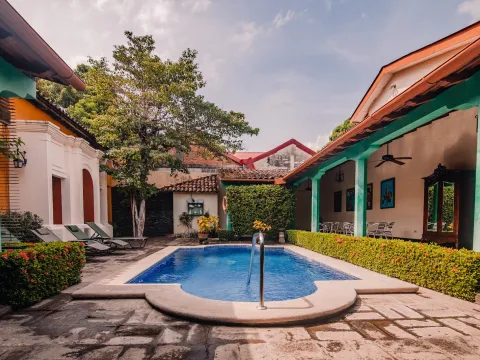
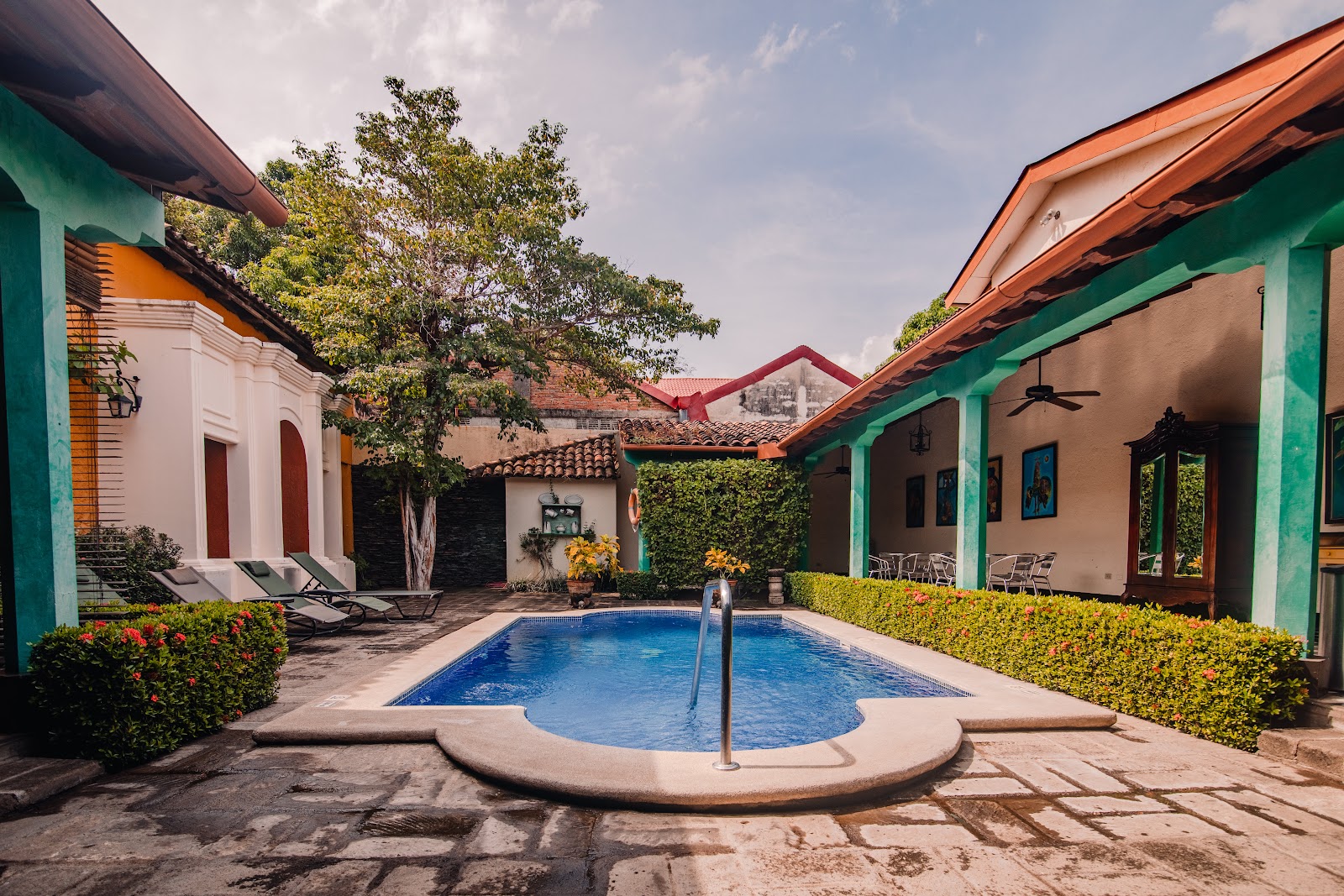
Hotels in the very heart of the city tend to occupy former colonial houses with interior patios. Rooms often open directly onto these courtyards, with rocking chairs under arcades and a small pool or fountain at the center. Expect a mix of standard rooms and larger suites, sometimes with private terraces or small gardens. If you are sensitive to street noise, ask for a room set deeper into the property, away from the front doors and the evening traffic.
On the quieter edges of the center, a few streets beyond the immediate orbit of Parque Central, the atmosphere softens. Here you find properties with slightly more space, sometimes with larger gardens and more secluded rooms, while still remaining within a 10 to 15 minute walk of the main sights. This is a good compromise for travelers who want the city at hand but prefer to retreat to a calmer place after a day of volcano hikes or gallery visits.
Best neighborhoods and hotel locations for different travel styles
Within the compact city grid, most of the best hotels in León, Nicaragua cluster in three practical zones. Around the cathedral and Parque Central, you will find classic colonial properties that suit first-time visitors who want to step straight into museums, churches, and cafés; this is the most convenient area if you plan to join guided volcano boarding or city tours, as many operators use the square as a meeting point. West toward La Recolección and the university, streets are a touch quieter in the evenings, with small guesthouses and boutique hotels that appeal to longer stays and travelers who like a more residential feel.
On the fringes of the center, near the roads leading toward the Pacific coast, a handful of hotels and eco-style lodges offer easier vehicle access and slightly larger plots, sometimes with bigger pools or gardens. These suit families, road-trippers, or visitors who plan frequent day trips to beaches like Las Peñitas and Poneloya, trading a few extra minutes of walking into the core for more space and simpler parking. When comparing addresses, use a map to check walking times to the cathedral and main market; in León, being within a 10-minute stroll of those landmarks usually delivers the best balance between immersion and practicality.
Room types, comfort levels, and what “luxury” means in León
Polished marble lobbies and sky-high towers are not the vocabulary of León. Luxury here is quieter: high ceilings, cool tiled floors, and a private room that actually stays cool at midday. Many of the better hotels offer a clear hierarchy of room categories, from compact doubles facing the courtyard to more generous suites with separate sitting areas. When you read descriptions, pay attention to whether rooms are inward-facing or street-facing; in a lively city, that detail matters more than an extra square meter.
Suites in León’s higher-end properties often occupy former salons of colonial houses, which means unusual proportions and, occasionally, original woodwork or antique furniture. You might have French doors opening onto a balcony above a side street, or a set of windows framing a view of the cathedral’s domes or the silhouettes of nearby volcanoes. These rooms suit travelers who value atmosphere as much as amenities, and who enjoy the sense of staying in a specific place rather than in an interchangeable hotel.
Bathrooms are where the gap between simple and premium properties becomes most visible. In the better hotels, you can expect well-finished showers, good water pressure, and thoughtful lighting, sometimes with local stone or hand-painted tiles. In more modest rooms, fittings may be basic but functional. If you care about design and comfort, it is worth confirming that your chosen room category has been recently renovated, especially in older colonial properties where updates can be uneven from one room to the next.
How to compare room categories, amenities, and value
When you look at listings for the best boutique hotels in León, Nicaragua, focus less on marketing labels and more on concrete details. Check whether air conditioning is standard in all room types or limited to higher categories, and whether windows have proper blackout curtains, which can make a real difference in a bright tropical city. Note if breakfast, Wi‑Fi, and filtered drinking water are included in the nightly rate, as these small inclusions often separate genuinely good-value mid-range hotels from cheaper but less comfortable options.
For longer stays or remote workers, scan descriptions for desks, reliable internet speeds, and quiet common areas where you can work during the day. Couples might prioritize king beds, private terraces, or direct pool access, while families should look for interconnected rooms, extra beds, or small suites with a separate sitting area that can convert into a sleeping space. Reading recent guest reviews with an eye on noise levels, mattress comfort, and bathroom maintenance will usually tell you more about real-world comfort than star ratings alone.
Atmosphere, architecture, and the colonial city around you
From the rooftop of a central León hotel, the city reads like a sea of terracotta tiles broken by white bell towers and the distant line of volcanoes. This is a deeply architectural destination, and the best properties understand that their role is to frame, not compete with, that setting. Many hotels preserve original colonial elements: thick adobe walls, carved wooden doors, and internal corridors that open onto lush patios where bougainvillea climbs over arcades.
Inside, you often find a restrained mix of traditional and contemporary design. A simple wooden bed frame, crisp white linens, a woven local textile at the foot of the bed; perhaps a modern reading lamp beside a century-old rocking chair. The atmosphere tends to be relaxed rather than formal, even in the more luxurious properties. León is a university city first, a travel destination second, and that academic, slightly bohemian energy seeps into the way spaces are used and decorated.
Step outside and the city asserts itself immediately. Within a few blocks of the center of León, you pass from the solemn façade of Iglesia La Recolección on Avenida Central to streets lined with pastel houses where doors stand open to the evening air. Staying in a central hotel allows you to experience this rhythm at different hours: the early-morning rush to the market on Calle Rubén Darío, the quiet heat of midday, the soft buzz of families and students in the plazas after dark. For travelers who care about context, this immersion is part of the luxury.
Rooftop views, pools, and shared spaces that shape your stay
Shared spaces are where many of the best hotels in León, Nicaragua quietly distinguish themselves. Rooftop terraces with views of the cathedral and surrounding volcanoes turn sunset into a daily ritual, especially in properties that offer simple bar service or allow you to bring your own drinks. Courtyard pools, even when modest in size, provide a welcome place to cool off after walking the city, and shaded verandas with hammocks or rocking chairs become informal lounges where guests read, chat, or plan the next day’s excursions.
If you value a sociable atmosphere, look for hotels that mention communal breakfast tables, small honesty bars, or hosted activities such as city walks and rum tastings. Travelers seeking quiet should instead prioritize properties that emphasize tranquil gardens, limited room counts, and clear quiet hours. In both cases, photographs of patios, rooftops, and lounges are as important as room images; these are the spaces where you will likely spend much of your non-sleeping time, and they strongly influence whether a stay feels intimate, lively, or anonymous.
Food, breakfast culture, and nearby restaurants
First light in León smells of coffee and fresh tortillas. Many hotels include breakfast in the room rate, served either in a shaded courtyard or a small dining room facing the garden. Expect a choice between a Nicaraguan plate — eggs, gallo pinto, plantains, local cheese — and a more international option with fruit and toast. The quality of breakfast is often a quiet indicator of a property’s overall care; look for fresh fruit, well-brewed coffee, and attentive timing rather than elaborate buffets.
For lunch and dinner, the city itself becomes your extended restaurant. Within a 500 metre radius of Parque Central, you can move from traditional comedores serving vigorón and grilled meats to contemporary spots experimenting with local ingredients in lighter, more refined dishes. A central hotel makes it easy to treat the city as your pantry, stepping out for a late-afternoon coffee on Calle Real or a drink in a restored colonial house before returning to your room.
Travelers who prioritize food should pay attention to how a property talks about its relationship with the local culinary scene. Some hotels maintain a small in-house restaurant focused on a concise menu of Nicaraguan classics, while others prefer to guide guests toward their favorite places in the neighborhood. In León, the second model often works better; the city’s dining culture is dynamic, and being able to walk to several options from your hotel door is more valuable than having a large but generic restaurant on site.
How to choose a hotel for food lovers and café-hopping
If you plan to build your stay around meals, coffee, and evening drinks, prioritize hotels in León’s central grid that highlight nearby dining in their descriptions. Properties close to Parque Central and the streets leading toward La Recolección put you within a short walk of specialty coffee bars, ice cream parlors, and casual spots serving local dishes late into the evening. Food-focused travelers might also look for hotels that can arrange market visits, cooking classes, or guided street food walks, which add depth to the usual restaurant circuit.
When comparing options, check breakfast hours and whether early departures for volcano hikes can be accommodated with flexible timing or packed meals. Guests who enjoy lingering over coffee should look for shaded patios or small on-site cafés where you can sit with a laptop or book without feeling rushed. Even if you plan to eat most lunches and dinners out, having a comfortable place to enjoy a slow morning coffee or a simple evening snack often becomes one of the quiet pleasures of staying in a well-run city hotel.
Who León suits best, and how to choose the right property
Volcano silhouettes on the horizon, a cathedral rooftop you can walk across, and a city that still feels primarily Nicaraguan rather than curated for visitors. León suits travelers who want their hotel to be a base for exploration, not the entire experience. If your ideal stay involves day trips to nearby volcanoes, visits to contemporary art collections, and evenings spent in local bars rather than in a lobby lounge, this region is a strong choice.
For first-time visitors to Nicaragua, León pairs well with a few nights on the Pacific coast or around a crater lake. In that itinerary, your León hotel becomes the urban chapter: a place where you sleep in a restored colonial room, wake to church bells, and walk out into a city that rewards curiosity. Choose a central property if you value being able to return to your room between activities, or a slightly more peripheral one if you prefer more space and a quieter atmosphere at night.
When comparing hotels, focus on three elements: location within the city grid, the quality and size of rooms, and how the property connects you to local experiences. A well-run, medium-sized hotel near the center of León, with a handful of thoughtfully designed rooms and staff who know the city intimately, will often deliver a more satisfying stay than a larger, more anonymous property. In León, luxury is less about spectacle and more about feeling that your room, your courtyard, and your city walks all belong to the same coherent place.
Matching León’s hotel options to your budget and trip plan
Budget-conscious travelers will find simple guesthouses and smaller hotels in León that offer clean rooms, fans or basic air conditioning, and straightforward breakfasts within walking distance of the main square; these work well if you plan to spend most of your time out exploring and simply need a reliable place to sleep and shower. Mid-range visitors can step up to characterful boutique hotels with better soundproofing, more comfortable beds, and small pools or gardens, striking a balance between price and comfort that suits most short city breaks.
Those seeking the best hotels in León, Nicaragua for a special occasion or longer stay should look toward the top-tier colonial properties with larger suites, attentive service, and well-maintained common areas, especially if you value on-site parking, 24-hour reception, or concierge-style help with arranging tours. Whatever your budget, confirm cancellation policies and payment methods before you book, and consider reserving at least the first few nights in advance so you can arrive, drop your bags, and start walking the city without logistical distractions.
Is León, Nicaragua a good place to book a hotel for a city stay?
León is an excellent choice for a city stay in Nicaragua if you value history, culture, and a strong sense of place over resort-style amenities. The compact colonial center allows you to walk from your hotel to major sights, restaurants, and cafés, while the surrounding region offers easy access to volcanoes and Pacific beaches for day trips. Hotels range from simple restored houses to more polished properties with suites and private courtyards, so you can match comfort level to your travel style. For travelers who enjoy staying in a living city rather than a purely touristic enclave, León is one of the most rewarding bases in the country.
FAQ
What area of León is best for a first-time visitor?
For a first stay, the historic center around the cathedral and Parque Central is the most practical area. From a hotel in this part of the city, you can walk to key landmarks, restaurants, and cultural sites in a few minutes, which simplifies logistics and lets you experience León’s daily life at different times of day. This central location also makes it easier to arrange excursions with local tour operators, as many departures use the main square as a reference point.
Are there family-friendly hotels in the León region?
Several hotels in the León region are well suited to families, particularly those with garden courtyards and pools where children can unwind after exploring the city. Family-friendly properties typically offer larger rooms or interconnected rooms, flexible breakfast options, and staff accustomed to helping organize practical details such as transport and early meal times. When choosing, look for a layout that allows children to move safely between rooms and common areas, ideally in a property set slightly back from the busiest streets.
Do hotels in León offer different room categories?
Most established hotels in León offer a range of room categories, from compact doubles to larger suites. Standard rooms usually provide the essentials in a simple layout, while higher categories add space, seating areas, and sometimes private terraces or better views of the city or internal gardens. If you value comfort and design, it is worth selecting at least a mid-range category, as the difference in layout and atmosphere between entry-level rooms and suites can be significant in older colonial properties.
Is it necessary to book a hotel in León in advance?
Booking in advance is advisable, especially if you plan to visit during local holidays or the dry season when travel across Nicaragua is more active. León has a good number of hotels, but the most characterful properties and the best-located rooms in the center tend to fill first. Reserving ahead also gives you more choice of room type, which matters if you prefer quieter, inward-facing rooms or specific features such as a private terrace.
What should I check before choosing a hotel in León?
Before choosing a hotel in León, verify its exact location within the city, the size and orientation of the rooms, and how the property fits your travel plans. A central address near the main square is ideal if you want to walk everywhere, while a slightly more peripheral location may suit you better if you prioritize calm and space. It is also useful to confirm breakfast arrangements, access to shaded common areas such as patios or gardens, and the hotel’s ability to help organize local activities like volcano visits or cultural tours.