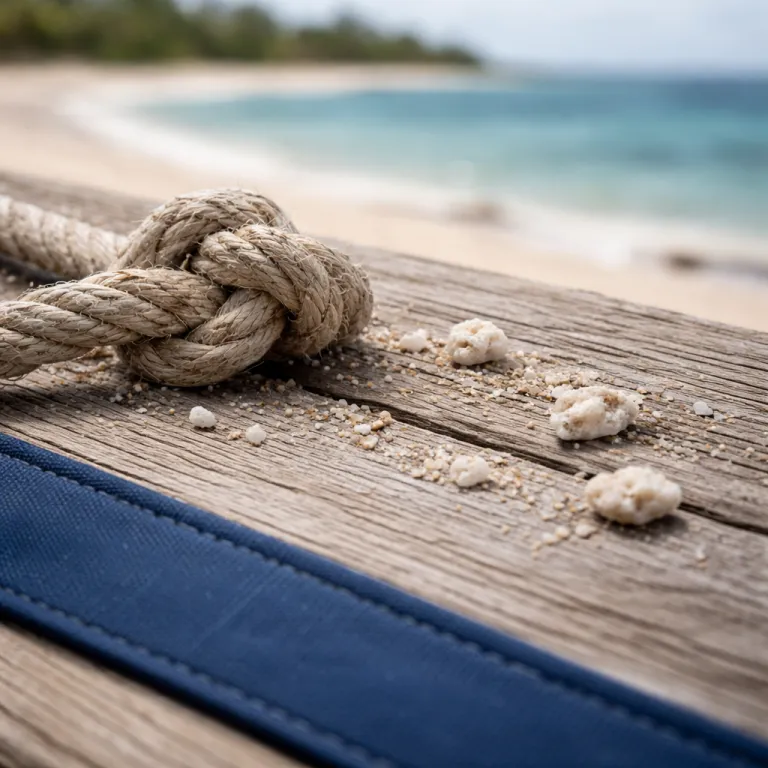
Is a hotel stay on the Corn Islands in Nicaragua right for you?
White sand curves around a turquoise bay, and there is no road noise at all – only the sea and the occasional boat engine in the distance. That is the real entry point to any stay at Corn Islands hotels in Nicaragua. If you are looking for nightlife, shopping and a dense roster of urban activities, this is not your island.
Travellers come here for something slower and more elemental. You wake to the sound of waves, cross a garden path, and your room opens almost directly onto an island beach. The best places to stay lean into that simplicity with generous verandas, outdoor showers and open-air restaurants where the food is built around the catch of the day and fruit grown on the islands.
For a luxury-focused trip, the Corn Islands work best as a retreat rather than a base for constant movement. You choose your hotel carefully, you stay put, and you let the rhythm of the Caribbean set the pace. If that sounds like the right kind of escape, then a hotel on Corn Island or Little Corn Island is an excellent choice.
Big Corn vs Little Corn: choosing your island
Landing on Big Corn Island, you step out onto a small airstrip framed by palms and low houses painted in pastel colours. This is the more accessible island Nicaragua offers in the archipelago, with a ring road, taxis and a scattering of small neighbourhoods from the western shore to the quieter east. Hotels here tend to sit directly on the beach or on low rocky bluffs with steps down to the water.
Little Corn Island is a different proposition. There are no cars, and you arrive by boat from Big Corn, often in a spray of warm saltwater that feels like a soft initiation ritual. The north and east coasts of Little Corn hold some of the most appealing beachfront stays, with rooms tucked between coconut trees and coral reefs lying just offshore.
Big Corn suits travellers who like a bit of structure: easier logistics, a wider variety of small restaurant options, and the possibility to explore the island by taxi or on foot in a single day. Little Corn is for those who want to stay corn-side of the world, barefoot most of the time, walking sandy paths to a restaurant island bar or a simple jungle gym facing the sea.
What luxury means on the Corn Islands
On these islands, luxury is not marble lobbies and towering atriums. It is the feeling of stepping from a cool, well-designed room straight onto a quiet stretch of sand, or watching the light change over the reefs from a shaded daybed. Many of the more refined properties sit on the less busy stretches of coast, where you can walk 200 or 300 metres without meeting anyone but a fisherman.
Expect rooms that prioritise air, light and views over heavy décor. Polished wood, high ceilings, and large windows facing the Caribbean are common, sometimes with boat room details such as rope railings or porthole-style windows. Some hotels cluster a handful of standalone casitas or bungalows along the beachfront, others arrange low-rise rooms around a pool that seems to spill into the sea.
Service tends to be relaxed but attentive rather than formal. You might discuss the day’s activities – from a morning of scuba diving on nearby reefs to an afternoon boat trip around the islands – directly with staff over breakfast. The most appealing luxury here is time: long, unhurried days where the main decisions are whether to explore a new cove or stay by the restaurant terrace with a book and a plate of grilled fish.
Beaches, reefs and activities: what to expect day to day
Sand quality varies more than you might think. On the eastern side of Big Corn, stretches of pale, fine sand alternate with rocky outcrops where waves break dramatically; the west often offers calmer water and classic island beach scenes at sunset. Little Corn’s north and east coasts are where you find that archetypal Nicaragua corn postcard view: shallow turquoise water, leaning palms, and reefs visible from shore.
Underwater, the draw is clear. Coral gardens and drop-offs lie a short boat ride from both islands, with local operators offering scuba diving and snorkelling trips to sites where turtles, rays and schools of reef fish are common. Some hotels can arrange private boat excursions that combine reef time with a slow circuit around the coastline, stopping at quiet coves.
On land, activities remain low-key. You can walk the entire circumference of Big Corn in a few hours, passing through residential pockets and small beaches, or follow sandy paths on Little Corn from the main pier to the more secluded northern shore. A few properties add small jungle gym corners or yoga decks facing the sea, but the essential programme is simple: swim, read, explore, repeat.
Food, restaurants and the rhythm of a stay
Breakfast often starts with strong Nicaraguan coffee, fresh fruit and the sound of waves hitting the shore. Many hotels on both islands operate their own room restaurant combinations, where you can move from your terrace to a table under a thatched roof in a few steps. Menus usually revolve around seafood – lobster in season, snapper, shrimp – alongside rice, plantain and simple salads.
On Big Corn, you can venture out to try a wide variety of small local eateries scattered along the coastal road, especially on the western side near the main settlement. Here, you might find what becomes your personal best restaurant on the island, a place where grilled fish arrives with coconut rice and a cold drink while music drifts from a nearby house. The atmosphere is informal, but the flavours can be memorable.
Little Corn’s dining scene is more compact but atmospheric. You walk sandy paths by torchlight to reach a restaurant island terrace, or you stay in and dine at your hotel’s beachfront tables, watching boats anchor just offshore. For a luxury-leaning trip, it is worth checking in advance how a property handles food – whether they can cater to specific preferences, how often they vary the menu, and whether they can pack simple lunches for boat excursions.
How to choose and book the right hotel on the Corn Islands
Deciding where to stay starts with one question: Big Corn or Little Corn. If you prefer easier access, slightly more infrastructure and the option to explore by road, Big Corn Island is the pragmatic choice. If your priority is a more remote feel, with most movement on foot and by boat, Little Corn Island will likely feel closer to your ideal island Nicaragua retreat.
Once you have chosen your island, focus on three elements: beachfront access, room style and access to reefs. Some travellers want to step directly from their terrace onto the sand; others are content with a short walk if it means a quieter setting or better views over the yemaya reefs offshore. Look closely at how many rooms a property has – smaller places often feel more intimate and are better suited to a slow, contemplative stay corn side.
Before you book, read the reservation policy carefully, especially regarding boat transfers between the islands, minimum stay requirements and cancellation terms. For a smooth trip, align your domestic flight times with the scheduled boats, and allow some buffer in case of weather. When you visit Nicaragua with the Corn Islands in mind, it is worth planning the rest of your itinerary around a few unbroken days here; these islands are best experienced without rushing in or out.
Is Corn Island in Nicaragua a good destination for a luxury beach stay?
Corn Island and Little Corn Island are excellent for a discreet, nature-focused luxury beach stay, especially if you value quiet, direct access to the sea and a slower rhythm over urban comforts. The islands offer intimate beachfront hotels, easy access to coral reefs and a strong sense of place, but they suit travellers who are happy with limited shopping, modest nightlife and a focus on sea, sand and simple, well-prepared food.
What is the difference between Big Corn Island and Little Corn Island for accommodation?
Big Corn Island has road access, taxis and a slightly broader choice of hotels and independent restaurants, making it better for travellers who like to explore and move around. Little Corn Island has no cars, relies on boat access and walking paths, and offers a more secluded, barefoot atmosphere where most accommodation is clustered along quiet beaches with reefs just offshore.
What activities can I expect during a stay on the Corn Islands?
Typical days revolve around swimming, snorkelling, scuba diving on nearby reefs, and relaxed boat trips around the islands, sometimes with stops at quiet coves. On land, you can walk around Big Corn’s coastal road or follow sandy paths on Little Corn, with occasional options for yoga decks or simple jungle gym setups at some properties, but the overall focus remains on sea, sand and unhurried time.
How long should I stay on the Corn Islands?
For most travellers, three to five nights strike a good balance, allowing time to settle into island life, explore at least one side of the island, and fit in a couple of reef excursions without rushing. If the Corn Islands are the highlight of your Nicaragua trip and you enjoy quiet days by the sea, a week can work very well, especially on Little Corn.
What should I check before booking a hotel on the Corn Islands?
Before confirming a reservation, check the hotel’s exact location on the island, how close it is to the beach, and whether it offers easy access to snorkelling or diving trips. Review the reservation policy for details on cancellations and minimum stays, and make sure your arrival and departure times align with boat transfers between Big Corn and Little Corn so that your journey to and from the hotel remains smooth.