Planning where to stay in Granada, Nicaragua? Learn how to choose the best Granada Nicaragua hotel or Isletas de Granada stay, with real examples, price ranges, and practical tips on location, pools, parking, and transfers.
Granada, Nicaragua hotels: how to choose the best base in the Granada region
Why the Granada region is worth planning your stay around
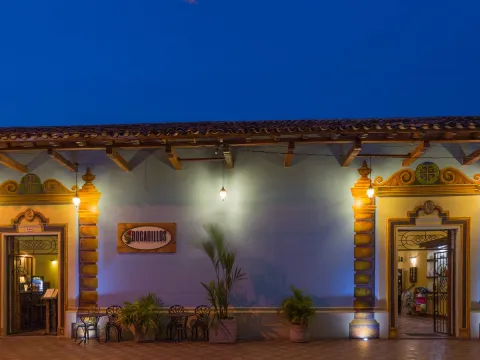
Yellow façades on Calle La Calzada, horse-drawn carriages circling Parque Central, the cathedral dome catching the late light over Lake Nicaragua – the first impression of Granada is cinematic. Yet for a traveler choosing a hotel, the appeal is more practical; this compact city concentrates culture, water, and nature within a radius of barely 10 km. You can sleep in a restored colonial house in the historic centre and be on a boat through the Isletas de Granada – about 10–15 minutes by taxi from the plaza, usually US$3–5 one way – before breakfast has settled.
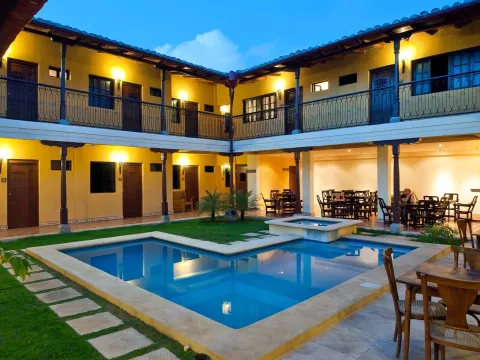
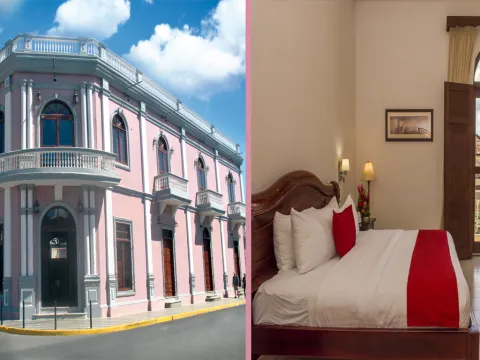
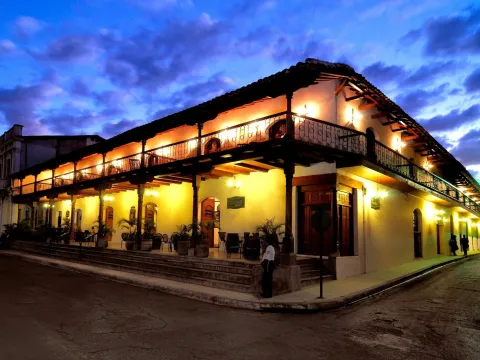
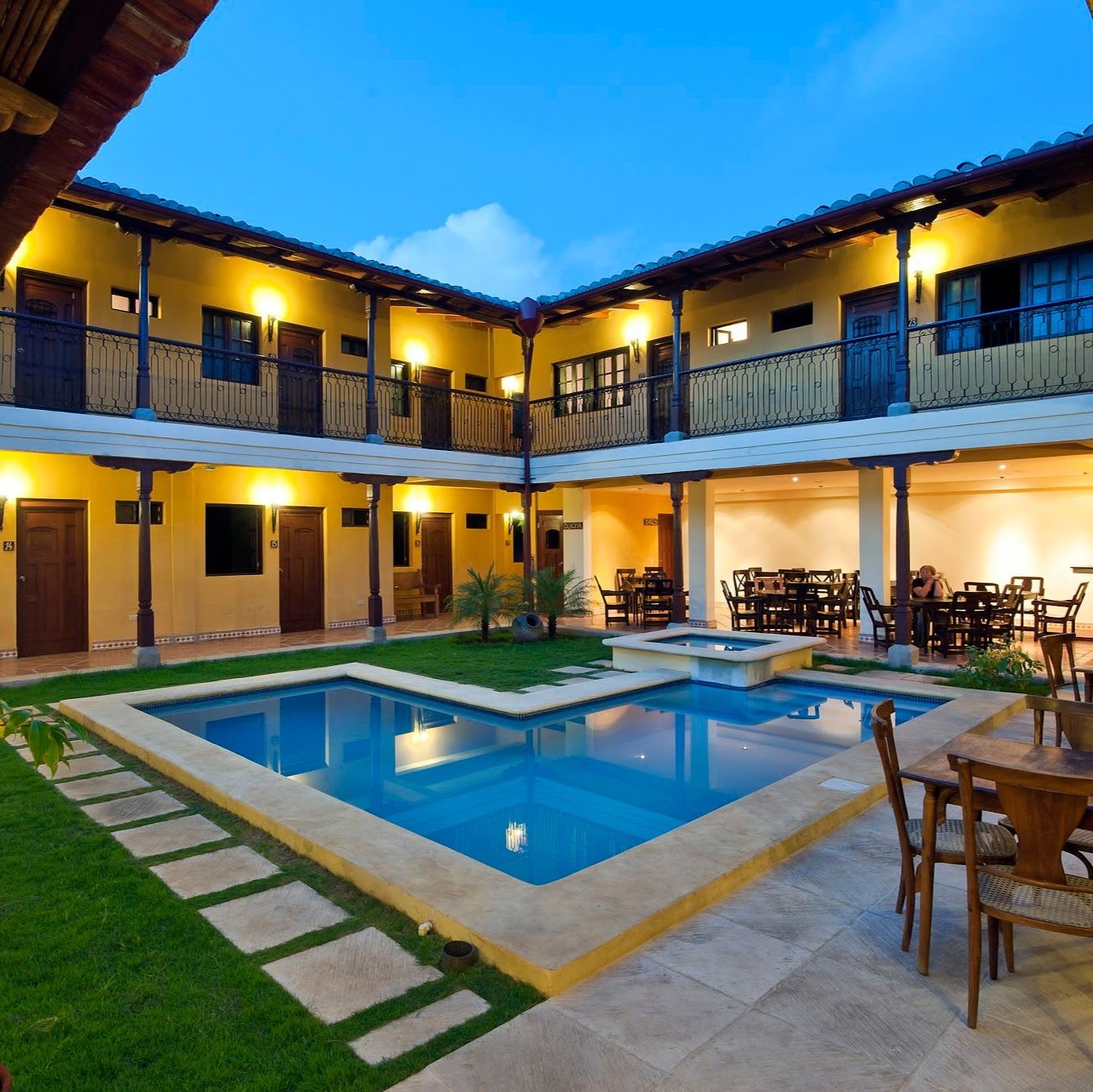
Compared with other cities in Nicaragua, Granada offers a rare mix of heritage architecture and resort-style amenities. Many properties occupy 19th century homes with internal courtyards, shaded arcades, and a pool tucked behind heavy wooden doors, so you step from busy street to quiet cloister in seconds. Well-known examples in the historic core include Hotel Plaza Colón, Hotel Dario, and Hotel La Gran Francia, all set in colonial mansions facing or near Parque Central. The atmosphere is refined but not stiff; sandals and linen are the norm, not jackets, and you can move easily between museums, cafés, and your hotel without long transfers.
For most visitors, the region works best as a base for three to five nights. That gives time to explore the colonial city, take a boat on Lake Nicaragua, visit nearby volcanic sites such as Mombacho (around 30–40 minutes by car from the centre, with private transfers typically US$25–35 per vehicle), and still enjoy slow mornings by an outdoor pool. If your trip to Nicaragua is short, centering your stay around Granada is often a better choice than trying to split nights between too many towns, especially when you factor in packing, check-in times, and the cost of repeated transfers.
Choosing your location in and around Granada
Staying within a few blocks of Parque Central changes your experience. From here, you can walk to the San Francisco church and its museum in under 10 minutes, stroll down to the lakefront in about 15–20 minutes, and slip back to your room for a shower before dinner without ever needing a taxi. The streets around Calle Real Xalteva and the grid between the cathedral and the San Juan district are especially convenient for a first stay, with a dense cluster of Granada Nicaragua hotels, guesthouses, and boutique inns.
Travelers who prefer quiet evenings might look just beyond the busiest restaurant corridors. A Granada hotel one or two streets off the main drag often keeps the colonial charm and the same level of services, but with less late-night noise from bars. You still get quick access to the city’s cafés and to the lakefront promenade, yet your courtyard feels more private and you are more likely to find rooms that do not face the street directly, which helps if you are sensitive to music or early-morning traffic.
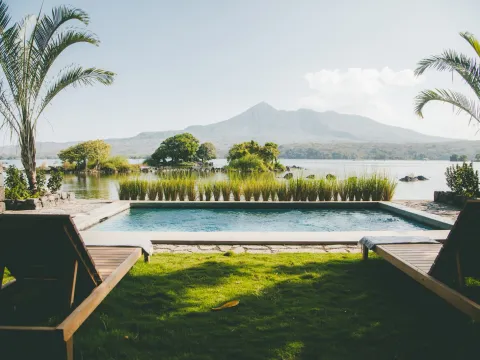
Outside the centre, some properties sit closer to Lake Nicaragua itself, trading immediate city buzz for water views and gardens. These stays suit travelers who plan to spend more time on the Isletas, birdwatching, or simply reading by the pool. Jicaro Island Lodge, for example, sits on a private islet about 15–20 minutes by boat from the marina, while some small eco-lodges line the shore near the Asese peninsula. The trade-off is clear: more space and nature, less spontaneous nightlife and fewer restaurants within a short walk, and a greater reliance on taxis or hotel-arranged transfers in the evening.
What to expect from hotels in the Granada region
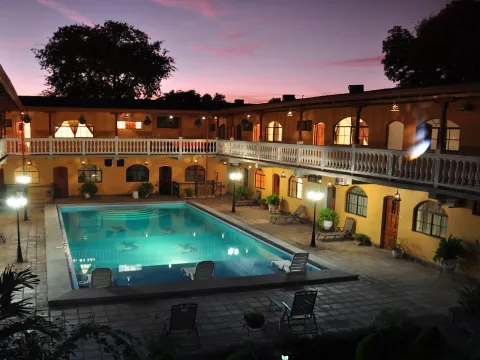
Behind many unmarked wooden doors in Granada, you will find high ceilings, tiled floors, and a central patio with a pool. The typical higher-end hotel here leans into colonial architecture: thick walls that keep rooms cool, carved doors, and corridors opening onto a garden or cloister. Rooms often include ceiling fans as well as air conditioning, with beds dressed in crisp cotton rather than heavy fabrics, and simple décor that highlights local wood and ceramics. Nightly rates for mid-range to upscale properties in the historic centre commonly fall between about US$70 and US$180 for a double room, depending on season and inclusions.
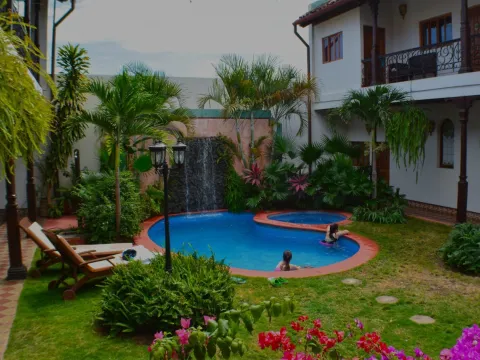
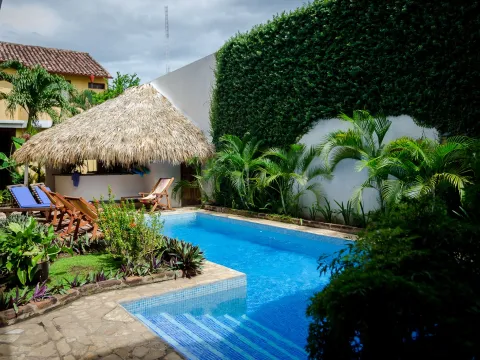
Amenities tend to focus on comfort rather than spectacle. Expect a small outdoor pool rather than a sprawling water park, often around 8–15 metres long and 1.2–1.5 metres deep, a compact restaurant serving a focused menu, and a bar where you can order a rum cocktail at the end of the day. Many properties are smoke free, which suits the enclosed courtyard layout and keeps shared spaces fresh, though some may still allow smoking in clearly marked outdoor corners or on rooftop terraces.
Services usually cover the essentials for a smooth stay: a staffed front desk during extended hours, daily housekeeping, and the possibility to arrange local excursions. Some hotels offer spa services in a simple treatment room or in-room massages, more about relaxation after a hot day in the city than about elaborate wellness rituals. Concierge services, when available, are often handled by a small équipe that knows the area intimately rather than by a large, anonymous desk, and can help with practicalities such as booking a driver to Mombacho, reserving a private boat for the islets, or coordinating a transfer to Managua airport (typically 60–75 minutes by car and around US$40–60 per vehicle).
Practical details: parking, access and on-site comforts
Granada’s historic streets were not designed for modern traffic, so parking deserves attention before you book. Many central properties offer either on-site parking in a small internal lot or access to a nearby guarded space; it is rarely vast – often space for 4–10 vehicles – but it is usually secure enough for a rental car. If you plan to arrive by private transfer and stay mostly in the city, you may not need a car at all, as most sights are within a short walk or a brief taxi ride, usually costing US$1–3 within the urban area.
Within the hotel itself, the layout often revolves around one or two patios. A pool may sit in the main courtyard, with loungers in the shade of palm trees or under tiled arcades. Some stays include complimentary breakfast served near the pool or in a small restaurant facing the garden, which makes slow mornings particularly pleasant and reduces the need to plan every meal in advance. Typical breakfasts combine local dishes such as gallo pinto with eggs, fruit, and coffee, and some hotels will prepare early trays if you have a morning tour.
Look carefully at what is actually included in your stay. In Granada, “complimentary” can refer to breakfast, filtered water in common areas, or access to simple spa services such as a short massage or use of a small treatment space. If you need specific amenities – a fully smoke free environment, step-free access, or a quiet room away from the street – it is worth verifying these details rather than assuming they are standard, especially in older buildings where lifts and ramps are not always present and where room layouts can vary significantly even within the same category.
Atmosphere, dining and how you will actually spend your days
Mornings in the city start early. From a hotel near Parque Central, you might hear church bells from San Francisco just after dawn, followed by the clatter of vendors setting up on Calle Vega. Breakfast often leans local: gallo pinto, fresh fruit, strong coffee, sometimes served in a small restaurant that opens onto the courtyard so you can watch the light move across the tiles and feel the temperature rise. If you are staying on the islets, mornings may instead begin with birdsong and views across Lake Nicaragua toward Mombacho.
During the day, the heat pushes most guests toward the pool or the lake. An outdoor pool becomes more than a decorative amenity; it is where you will likely spend the hottest hours, book in hand, between short walks through the city. Some properties can arrange boat trips to the Isletas – typically two to three hours door to door, with shared tours often around US$20–30 per person – visits to nearby volcanic viewpoints, or transfers to the San Juan area of the lakefront for a different perspective on the water and sunset.
Evenings belong to the streets. You step out from your hotel’s heavy door and within minutes reach a choice of restaurants and bars, many with views toward the cathedral or the distant silhouette of Mombacho volcano. The better stays in the region understand that guests will often dine out, so their own restaurant focuses on a concise menu and reliable service rather than trying to be the city’s gastronomic destination, and staff are usually happy to recommend nearby options for everything from casual street food to more polished dining rooms. If you are based on the islets, you may dine more often at your lodge, with occasional evening boat transfers back to the city arranged in advance.
Who the Granada region suits best – and when to look elsewhere
Travelers who appreciate architecture, walkable cities, and a sense of history tend to be happiest in Granada. If you like the idea of a colonial hotel with a quiet courtyard, a small pool, and attentive but discreet services, this region aligns well with your expectations. It works particularly well for couples, solo travelers, and small groups who want to combine culture with easy access to Lake Nicaragua and low-effort day trips, without committing to a large all-inclusive resort.
Families with very young children may need to pay closer attention to room layouts and pool design, as many properties were not originally built with family travel in mind. Railings, stairs, and open courtyards can be charming but less practical with toddlers, and pools may not have shallow splash areas or fences. In that case, look for clearer information on safety features, on whether extra beds or connected rooms are available, and on whether the hotel can provide items such as travel cots or high chairs, which some mid-range Granada Nicaragua hotels can supply on request.
If your priority is long, wild Pacific beaches or a fully integrated resort with extensive spa facilities and a large-scale kids’ club, other parts of Nicaragua may serve you better. The Granada region excels at intimate, characterful stays rather than at vast complexes. Think of it as the place where you slow down, explore a city on foot, and take measured day trips, not as a base for high-adrenaline adventure every day or for all-inclusive entertainment from morning to night.
How to compare options and make a confident booking
Start with location. Decide whether you want to be within a short walk of Parque Central and the San Francisco church, or whether a quieter setting closer to Lake Nicaragua and the islets matters more. Once that is clear, compare how each property uses its space: size of the pool, number of rooms around the courtyard, and whether there are calm corners to read or work without constant foot traffic. A quick scan of photos and floor plans can reveal whether a hotel feels intimate or busy.
Next, look at the structure of the stay rather than headline prices. Check what is included daily – breakfast, parking, simple spa services, or access to certain on-site amenities – and what counts as an extra. A hotel that appears less expensive at first glance may feel less generous once you factor in everything you will actually use, such as paid parking, à la carte breakfast, or surcharges for late check-out. For a typical couple staying three nights, these add-ons can easily shift the total bill by US$50–100.
Finally, pay attention to the tone of the services. Some places in Granada lean toward a relaxed, almost home-like style where the same person at the front desk might also help arrange excursions, while others aim for more formal concierge services. Neither is inherently better; the right choice depends on whether you prefer a polished, structured experience or a more personal, flexible approach during your time in the Granada region, and on how much guidance you want when planning activities.
- Best for: travelers who want colonial charm, walkability, and easy access to Lake Nicaragua and the Isletas de Granada
- Ideal stay length: 3–5 nights as a central base in Nicaragua
- Typical mid-range rates: roughly US$70–180 per night for a double room in the historic centre
- Transfer times: about 60–75 minutes from Managua airport; 30–40 minutes to Mombacho volcano
- Good to know: many Granada Nicaragua hotels are set in historic buildings, so check accessibility, parking, and room layout details before you book
Is Granada, Nicaragua a good base for a trip?
Granada is an excellent base for a trip because it combines a compact, walkable colonial city with easy access to Lake Nicaragua, the islets, and nearby volcanic landscapes. You can stay in a comfortable hotel with a pool and still reach most key sights within minutes, which makes it ideal for travelers who want culture, water, and nature without constant packing and unpacking.
What should I look for when choosing a hotel in the Granada region?
When choosing a hotel in the Granada region, focus first on location – near Parque Central for walkability, or closer to the lake for quieter stays and water views. Then compare how each property uses its courtyard and pool, what is included in the stay such as breakfast or parking, and whether the overall atmosphere matches your style, from relaxed and home-like to more formal with structured services.
Is it better to stay in the historic centre or near Lake Nicaragua?
Staying in the historic centre suits travelers who want to walk to churches, cafés, and restaurants, with the energy of the city just outside the door. Choosing a place nearer to Lake Nicaragua works better if you value space, gardens, and easier access to boat trips on the islets, accepting that you will rely more on transfers for dining and nightlife in the city.
Do hotels in Granada usually have pools and parking?
Many higher-end hotels in Granada offer a pool, often set in a central courtyard, because the climate makes an outdoor pool genuinely useful rather than decorative. Parking is more variable; some properties have small on-site parking areas or arrangements with nearby guarded lots, while others are better suited to guests arriving without a car, so it is important to verify this detail before you book.
How long should I plan to stay in the Granada region?
A stay of three to five nights in the Granada region works well for most travelers. That duration allows time to explore the colonial city, take a boat trip on Lake Nicaragua, visit nearby natural sites, and still enjoy unhurried hours by the pool or in shaded courtyards without feeling rushed.