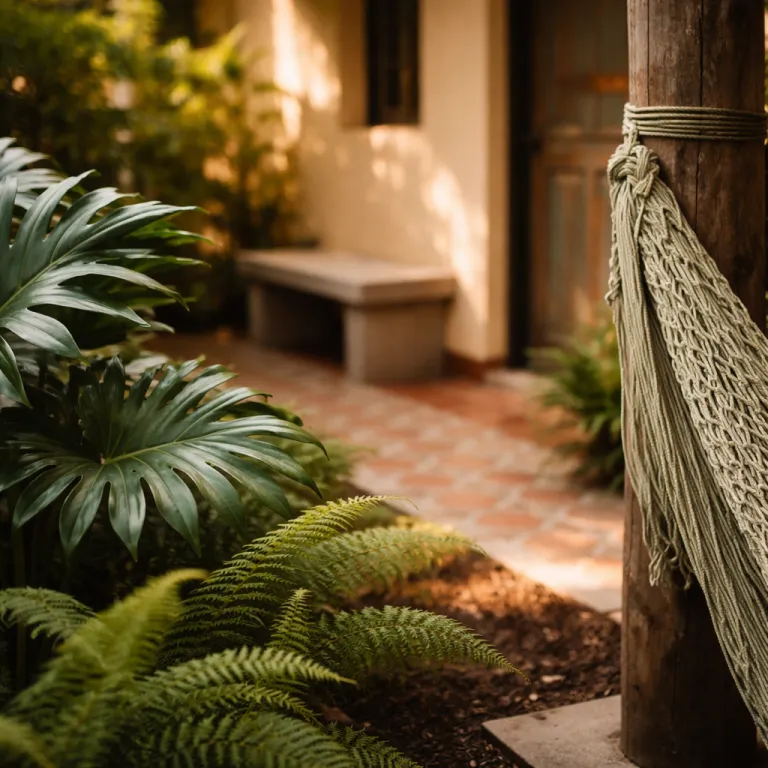
Beige-ification versus the wild character of Nicaragua
Luxury travelers can now spot a beige lobby from the taxi. They know when a resort in Nicaragua, Mexico or Costa Rica has been designed by the same global committee, with the same candles and the same playlist. In a region as visually charged as Nicaragua, that kind of beige-ification feels almost offensive.
Beige-ification is what happens when a resort could be anywhere, and the only clue to the country is the flag on the staff name tag. Think of a surf resort with a generic infinity pool, a steakhouse, and rooms that look cloned from a catalog, whether you are in Popoyo, Phuket or Portugal. These are not authentic luxury hotels in Nicaragua; they are airport lounges with better linen.
By contrast, the most characterful luxury retreats Nicaragua offers lean into place so hard you can almost smell the volcanic soil. In the right hotel or resort, Nicaragua feels specific in every direction, from the ceramics in your room to the rum in your glass. That specificity is the quiet rebellion against beige-ification, and it is exactly what discerning couples should seek when they book.
Booking tip: when you scan photos of a potential stay, ask yourself whether you could mistake it for a hotel in another country; if the answer is yes, keep searching for a property that looks and feels unmistakably Nicaraguan.
Three ways beige-ification shows up in Central America
The first sign is the view that never changes, even when the country does. You know the type of resort where every beach looks like a screensaver, and the only reference to Nicaragua or Costa Rica is a token ceviche on the menu. When you could crop the photo and label it “somewhere tropical”, you are not in the best hotels for travelers who care about place.
The second sign is the room that hides all evidence of local life. Many international hotel brands Nicaragua has welcomed in recent years have stripped out regional textiles, handmade tiles and volcanic stone in favor of beige carpets and chrome lamps. These rooms might be comfortable, but they flatten Granada, San Juan del Sur and Popoyo into the same anonymous mood board.
The third sign is programming that ignores the landscape and culture outside the gate. If a surf resort in Popoyo offers more tequila tastings than Pacific surf sessions, or a Granada city hotel never mentions the isletas Granada or Lake Nicaragua, something is off. When the only retreat activity is a generic yoga class by the swimming pool, you are paying for a brand, not for Nicaragua.
Booking tip: read the activity list as carefully as the room description; if you do not see specific references to local guides, named surf breaks or nearby communities, you are probably looking at beige-ification in disguise.
The Nicaraguan counter-argument: hotels that could only exist here
Some properties in Nicaragua are working hard to be the opposite of beige. Tribal Hotel in the city of Granada is a sharp example, often described as eclectic modern with a tribal aesthetic — not a Marriott in a sombrero. Its rooms feel like a curated apartment above a colonial street, not a template rolled out across hotels Nicaragua-wide.
On the Pacific, Rancho Santana on the Emerald Coast has been cited for regional artwork and outdoor programming that actually uses the landscape. This is where a surf resort, Nicaragua style, means horseback rides along the beach, hikes on the cliffs and surf sessions that start before the heat builds. Couples who book here are not just reserving rooms; they are signing up for a retreat that understands the Pacific light and the local community.
Head further down the coast and the pattern continues in places like Morgan's Rock, the eco-friendly retreat set on a vast jungle reserve near San Juan del Sur. Here, the architecture hides in the forest, and the bungalows open toward the beach and the wildlife corridor rather than toward a car park. When you wake to howler monkeys instead of a highway, you understand why a hide-and-seek resort model works so well in Nicaragua. As one longtime manager there puts it, “If you can forget what country you are in, we have failed at our job.”
Local note: according to hotel managers interviewed in Oyster-style property roundups, occupancy at these character-driven retreats often stays strong even in shoulder season, precisely because travelers are seeking experiences that feel rooted in Nicaragua rather than interchangeable with other destinations.
Islands, lakes and timber with a memory
Offshore, the country’s private island story is just as specific. Calala Island in the Pearl Cays is a private island resort where the sand squeaks, the staff know your name, and the rooms sit almost at the waterline. This is not a generic island ecolodge; it is a tiny world where the Caribbean and Nicaragua meet in a very precise way.
On Lake Nicaragua, Jicaro Island Lodge has built its casitas from timber reclaimed after Hurricane Felix, turning storm debris into architecture with a conscience. That choice alone makes it feel more rooted than many of the best hotels on the mainland, where imported marble often says more about the supply chain than the country. When you kayak around the isletas Granada at sunrise and return to a lake-facing swimming pool, you feel how a lake retreat can be both gentle and deeply Nicaraguan.
Little Corn Island adds another layer to this argument, especially at places like Yemaya Reefs where oceanfront casitas face a reef rather than a marina. Couples who seek a barefoot but polished hideaway should read a refined Little Corn Island guide for barefoot Caribbean elegance before they book. Properties here prove that an island ecolodge can offer a serious pool, refined rooms and attentive service without losing the sand between your toes.
Booking tip: when comparing private islands and lake lodges, ask how many rooms the property has and how it sources materials; smaller, low-density builds and reclaimed timber are strong indicators that the retreat is designed around its specific Nicaraguan setting.
Why specificity scales badly — and why that is good for you
There is a reason beige-ification keeps winning in many markets. A neutral room with a safe menu is easy to replicate, whether you are building a resort on Nicaragua’s Pacific, a hotel in Costa Rica or a tower in Dubai. Specificity, by contrast, is stubbornly local and resists being rolled out in dozens of hotels.
Take Mukul on the Emerald Coast, where the six casita styles draw on different healing traditions and regional materials. You cannot simply copy those casitas to a random surf resort in Popoyo or to a boutique hotel in Granada, because they are tuned to this stretch of Pacific beach and this particular piece of forest. The same is true of Jicaro’s reclaimed timber or Morgan's Rock, where the bridge to the rooms crosses an actual ravine, not a landscaped suggestion of one.
This is exactly why couples seeking authentic luxury hotels across Nicaragua should embrace the friction of planning. It may take longer to book a specific hide-and-seek style retreat, to compare a private island with a lake ecolodge, or to choose between a surf resort near San Juan del Sur and a stay in colonial Granada. Yet that research is the price of avoiding beige sameness and ending up somewhere that feels like a real place.
Planning tip: shortlist no more than three properties per region — Pacific coast, colonial cities and islands or lakes — and then compare them on design details, activities and community engagement rather than on room size alone.
Volcanoes, lakes and the test of place
Look at the country’s volcano belt and you see how quickly character changes. A luxury stay amid the volcanoes of Nicaragua feels different on the slopes above Lake Nicaragua than on the Pacific side near Popoyo. The best hotels lean into that, offering different activities, different materials and different menus rather than one standardized template.
On the water, the contrast between a lake retreat and a Pacific beach resort is just as sharp. A property on Lake Nicaragua might focus on boat trips through the isletas Granada, birdwatching and long swims in a calm pool that mirrors the lake. A surf resort near San Juan del Sur or further north toward Popoyo will instead build its rhythm around tides, breaks and post-surf massages by the swimming pool.
For travelers comparing Nicaragua with Costa Rica, this is where the decision gets interesting. Costa Rica has more inventory and many polished hotels, but it also has more beige-ification at the top end. Nicaragua still has a relatively small cluster of true luxury hotels, with high demand reported in sources such as Oyster’s Nicaragua luxury segment, which keeps pressure on owners to stay distinctive rather than interchangeable.
Booking tip: if you are torn between countries, map out the specific experiences you want — volcano hikes, reef snorkeling, colonial architecture or serious surf — and then choose the Nicaraguan region whose hotels build their entire offering around those exact landscapes.
Three questions to ask before you book a Nicaraguan stay
When you are scanning hotels across Nicaragua, a few sharp questions cut through the marketing. The first is simple: what here could not exist anywhere else. If the answer is only the view, you are probably looking at beige-ification with better scenery.
Ask about materials, art and programming, and listen for specifics. A hotel or resort that talks about reclaimed timber from Hurricane Felix, ceramics from the city of Granada, or farm-to-table menus sourced from nearby fincas is usually more rooted. If all you hear is “international buffet”, “all-day dining” and “standard rooms with ocean view”, you are in generic territory.
The second question is about water and how you will actually use it. On Lake Nicaragua, a thoughtful lake retreat will offer kayaks, small boat excursions to isleta Espino or other islets, and a pool that feels like an extension of the lake rather than a separate chlorinated world. On the Pacific, a serious surf resort near San Juan del Sur or Popoyo will talk about specific breaks, board types and tide windows, not just a vague promise of surf.
Booking tip: when you email or message a hotel, ask for two or three sample daily itineraries; the more those plans reference named places, local guides and seasonal conditions, the more likely the property is to deliver a stay that feels genuinely Nicaraguan.
Hidden gems and how to read between the lines
The third question is about community and context. Ask how the hotel or resort on the Nicaraguan coast or lake works with nearby villages, guides and artisans, and whether your stay supports more than just the property’s own swimming pool and spa. The most interesting hide-and-seek style retreats often have the most detailed answers here.
When a property mentions a private island, an island ecolodge or a lake retreat, probe for detail. Is the private island actually in the Pearl Cays, or is it a peninsula marketed as an island. Does the island ecolodge run its own boats across Lake Nicaragua to the isletas Granada, or does it rely on generic Granada city tour operators.
Finally, use your booking platform wisely and cross-check with a curated guide to Nicaragua luxury resorts for refined escapes on coast, lake and island. Look for language that connects the hotel to specific places like Granada, San Juan del Sur, Popoyo or Lake Nicaragua rather than to vague “Central American vibes”. As one expert summary from Preferred Hotels, reported by Luxury Travel Advisor, notes, many luxury guests now say they can immediately recognize a hotel designed for mass appeal, which helps explain the shift toward more distinctive, place-led properties.
Planning tip: when reviews repeatedly mention staff by name, specific excursions and details like local ceramics or reclaimed wood, you have probably found a hidden gem rather than another beige, copy-paste resort.
Key figures shaping authentic luxury stays in Nicaragua
- Nicaragua currently has a compact set of properties that qualify as true luxury hotels, which keeps the scene intimate and pushes owners to differentiate through design, service and sense of place (a pattern reflected in Oyster’s overview of the country’s luxury segment).
- Occupancy at these top-tier hotels is reported as relatively high in public-facing summaries and trade coverage, a sign of growing demand for eco-conscious, experience-led stays rather than mass-market packages (based on trends described in Oyster’s Nicaragua luxury hotel roundups).
- Industry research from Preferred Hotels, summarized by Luxury Travel Advisor, highlights that a large majority of luxury travelers feel they can spot a hotel designed for mass appeal, which helps explain the rising interest in properties that feel as specific as Granada’s colonial streets or the surf breaks near Popoyo.
- Key players such as Rancho Santana, Morgan's Rock, Yemaya Reefs and Calala Island operate year round, giving couples flexibility to time their trip around the dry season’s ideal weather or the greener shoulder months, while still accessing high-level service and amenities (as reported in Small Luxury Hotels of the World and Oyster profiles).
- Across these properties, a growing emphasis on eco-friendly practices and support for local communities aligns Nicaragua with the broader rise of sustainable luxury, where reclaimed materials, low-density design and community partnerships are now core expectations rather than optional extras (a trend highlighted in Preferred Hotels and Luxury Travel Advisor coverage).
References
- Oyster – Best luxury hotels in Nicaragua (hotel profiles and segment overviews).
- Preferred Hotels / Luxury Travel Advisor – Trends defining luxury travel and guest expectations.
- Small Luxury Hotels of the World – Selected Nicaraguan properties and sustainability highlights.