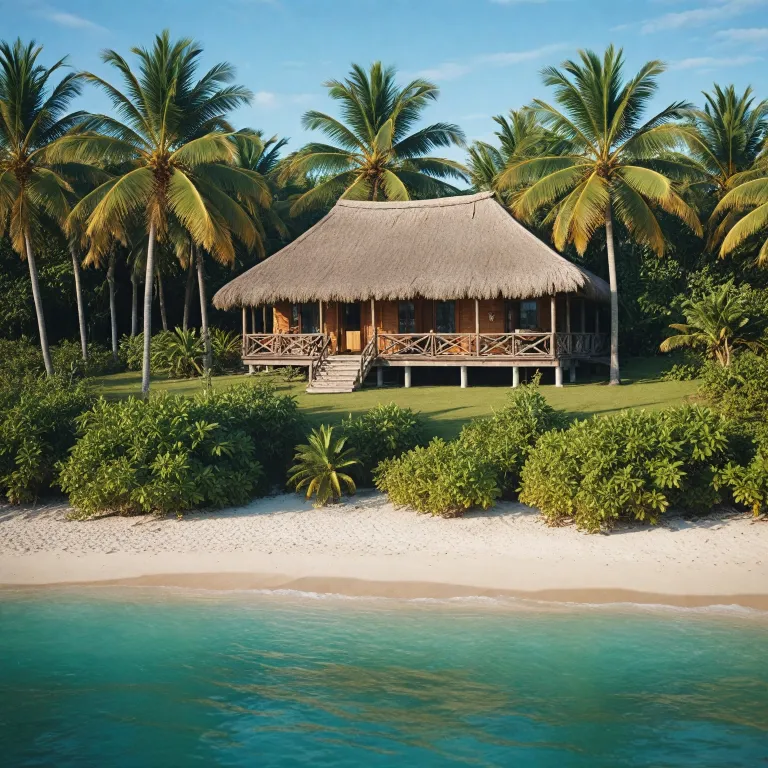
Caribbean calm on the Corn Islands Nicaragua for refined stays
Set on the remote Caribbean coast, the Corn Islands Nicaragua offer an intimate escape. This small archipelago combines soft corn beach sands, translucent water, and a relaxed island rhythm that suits luxury minded travelers, yet it still feels authentic and unhurried. With careful planning, you will find refined places to stay that respect the marine protected setting and elevate every day of your travel.
There are two main islands Nicaragua visitors focus on, and each island has a distinct personality. Big Corn Island feels livelier and more connected, while Little Corn Island is car free, smaller, and more rustic, so the islands together create a rare balance between comfort and castaway charm. Many guests split their time between the two, using a boat transfer to enjoy both a larger island corn experience and a quieter retreat.
Since the Corn Islands are now part of a legally protected seascape, every beach bungalow and high end guesthouse operates within strict environmental rules. The Nicaraguan Government worked with the Wildlife Conservation Society and Bluefields Indian and Caribbean University to safeguard coral reefs, mangroves, and fisheries, which directly benefits discerning visitors. You will notice that the best places to stay are woven into the landscape, with low rise architecture, careful waste management, and staff trained to explain why the islands Nicaragua are so ecologically important.
For travelers comparing destinations across Central America, the Corn Islands Nicaragua feel markedly different from mainland resort strips. The caribbean setting is wilder, the beaches are less crowded, and the sense of time slows in a way that encourages longer stays. This is a place where the best time is often a simple sunset, a quiet corn beach walk, or a lingering happy hour with the sound of waves.
Choosing between Big Corn Island and Little Corn for your stay
When planning where to stay on the Corn Islands Nicaragua, your first decision is whether to base yourself on Big Corn Island, Little Corn, or both. Big Corn offers a small airstrip, paved roads, and a ring of beaches that make it easier to move around, which many luxury travelers appreciate after a long caribbean journey. Little Corn, reached by boat from Big Corn, trades convenience for seclusion and feels like a timeless island hideaway.
On Big Corn Island, you will find a wider choice of hotels, from simple cabins to polished beach bungalow suites with sea views. The main beaches curve around the island, and areas like Otto Beach on the north shore are prized for calm water and soft sand. This is also where you will find more structured services, such as guided snorkeling, fishing charters, and drivers who know every small cove and corn beach.
Little Corn Island is smaller, walkable, and free of cars, so time moves differently here. Paths lead through coconut groves to tiny beaches, and many travelers say this island corn setting feels like the caribbean of another era. If you stay on both islands Nicaragua, you will find that Big Corn brings comfort and choice, while Little Corn offers a cool spot for unplugged days and star filled nights.
Luxury focused guests who also want to explore Nicaragua’s interior sometimes pair the Corn Islands with refined stays in the highlands. For example, you can enjoy coffee country elegance in Matagalpa by planning a sophisticated escape in the cool coffee highlands before flying to the caribbean coast. This combination shows two very different faces of Central America within a single trip.
Marine protected serenity and what it means for premium travelers
The Corn Islands Nicaragua sit within a large marine protected area that covers both sea and inland wetlands, which shapes every premium stay. Regulations limit harmful fishing practices, protect coral gardens, and preserve mangrove stands that shelter juvenile fish, so the water around each island remains strikingly clear. For travelers, this means that a simple swim from a corn beach often reveals healthy reefs, colorful fish, and sometimes even graceful rays.
The core protected zone extends across more than 400 square kilometres, with a much larger buffer area that supports sustainable fisheries and eco tourism. This framework was created through collaboration between national authorities, the Wildlife Conservation Society, and Bluefields Indian and Caribbean University, and it underpins the long term value of luxury stays here. When you choose a higher end hotel or beach bungalow that follows conservation guidelines, you directly support local jobs and the ecosystems that make the islands Nicaragua so appealing.
Many upscale properties on Big Corn Island and Little Corn now integrate marine education into their guest experience. Staff can explain why hammerhead sharks, hawksbill turtles, and black corals need strict protection, and how visitors can help by following snorkeling rules and respecting no take zones. Some hotels even coordinate with community groups so that a portion of your stay supports reef monitoring or beach cleanups.
For travelers comparing coastal destinations across Central America, this emphasis on conservation adds depth to a caribbean holiday. You can enjoy spa treatments, refined dining, and sunset cocktails while knowing that the surrounding seascape is being actively cared for. If you are planning a broader Nicaragua itinerary, you might also look at luxury oceanfront stays on the Emerald Coast, which complement the quieter rhythm of the Corn Islands Nicaragua.
Beaches, bungalows, and the rhythm of island time
The beaches on the Corn Islands Nicaragua are varied, so it is worth matching your preferred style of sand and sea to your chosen hotel. On Big Corn Island, long curves of corn beach invite morning walks, while smaller coves offer privacy and gentle waves for swimming. Otto Beach is often highlighted as one of the best places to spend a lazy day, with clear water, palms, and a relaxed caribbean atmosphere.
Many premium stays take the form of a beach bungalow or low rise suite set just steps from the shore. On Little Corn Island, properties like Turned Turtle and similar small scale lodgings blend wooden architecture with lush gardens, so you wake to the sound of surf and birds. These intimate spaces suit travelers who value privacy, yet still want attentive service, curated excursions, and a refined restaurant within a short walk.
Island time is not a cliché here ; it is a daily reality that shapes your stay. You might spend one day snorkeling from a boat, another day reading in a hammock, and another exploring paths that link the island corn interior to hidden beaches. The best time to appreciate this rhythm is often early morning or late afternoon, when the light softens and the caribbean coast feels particularly serene.
Throughout the islands Nicaragua, you will find cool spot beach bars that offer sunset happy hour with fresh juices and local rum. These venues are ideal for meeting other travelers, comparing notes on things Corn visitors enjoyed most, and planning the next day’s boat trip or dive. For a broader view of refined coastal stays across Nicaragua, you can consult an elegant guide to the best resorts in the country, which helps frame how the Corn Islands Nicaragua fit into the national luxury landscape.
Dining, happy hour, and refined island evenings
Dining on the Corn Islands Nicaragua reflects a fusion of caribbean flavors, fresh seafood, and Nicaraguan staples, often served in intimate settings. Many hotels on Big Corn Island and Little Corn feature an in house restaurant that becomes a social hub, especially when the menu highlights lobster, coconut stews, and grilled fish. Turned Turtle, for example, is well known for its creative plates and relaxed yet polished service, which appeals to guests seeking a premium but unpretentious evening.
Because the islands are small, you will find that word travels quickly about each great corn beach café or cool spot bar. Travelers often share tips on where to enjoy the best happy hour, which beach bungalow serves memorable breakfasts, and which small restaurant excels at vegetarian dishes. This informal network helps new arrivals make the most of limited time, especially when they only stay a few day on each island.
Evenings tend to be low key, with more emphasis on conversation and stargazing than on loud nightlife. Many visitors say the best time is when the generator hum fades, the sky fills with stars, and the sound of waves becomes the main soundtrack. You will find that a simple walk along the caribbean coast after dinner, perhaps with a final drink at a beach bar, can feel as luxurious as any formal entertainment.
For those planning travel across Central America, the Corn Islands Nicaragua offer a gentle counterpoint to busier hubs. Here, the focus is on quality of experience rather than quantity of attractions, and that suits luxury travelers who value depth over speed. By choosing restaurants and hotels that respect the marine protected status, you help ensure that future guests will find the same unspoiled beaches and tranquil island evenings.
Planning your trip: access, timing, and responsible choices
Reaching the Corn Islands Nicaragua usually involves a domestic flight from Managua to Big Corn Island, followed by a boat transfer if you plan to stay on Little Corn. Because schedules can change, it is wise to allow extra time between international and domestic flights, and to book flexible tickets where possible. Once on Big Corn, you will find taxis and small vehicles that circle the island, while Little Corn remains blissfully free of cars.
The best time to visit depends on your priorities, but many travelers aim for periods with calmer seas to make the boat crossing more comfortable. When planning your stay, consider how many day you want on each island, and whether you prefer a single base or a split itinerary. Remember that the islands Nicaragua are small, so even a few extra hours can feel like a meaningful extension of your caribbean escape.
Responsible travel choices are especially important in a marine protected area. Simple actions, such as using reef safe sunscreen, avoiding single use plastics, and following local fishing regulations, help protect the ecosystems that make the Corn Islands Nicaragua unique. When booking, look for hotels that support community projects, treat wastewater properly, and educate guests about the significance of the protected seascape.
As you plan, keep in mind that you will find both comfort and simplicity here, rather than urban scale luxury. The charm lies in waking up in a beach bungalow, walking directly onto a quiet corn beach, and knowing that conservation efforts are helping to keep this corner of Central America special. By aligning your expectations with the islands’ pace and values, you ensure that your time on the Corn Islands Nicaragua feels both indulgent and meaningful.
Key conservation statistics for the Corn Islands Nicaragua
- The core zone of the marine protected area around the Corn Islands covers approximately 166 square miles, safeguarding critical coral reefs and mangroves.
- The surrounding buffer zone extends across roughly 2 477 square miles, supporting sustainable fisheries and community based eco tourism.
- Protection measures in the Corn Islands marine area help conserve threatened species, including hammerhead sharks, hawksbill sea turtles, and black corals.
Essential questions about the Corn Islands Nicaragua
What species are protected in the Corn Islands Marine Protected Area?
What species are protected in the Corn Islands Marine Protected Area? The area is home to threatened species such as hammerhead sharks, hawksbill sea turtles, and black corals. These species benefit from regulated fishing, habitat protection, and ongoing monitoring by conservation partners.
How does the Marine Protected Area benefit local communities?
How does the Marine Protected Area benefit local communities? It supports sustainable fisheries and eco tourism, contributing to local livelihoods. By maintaining healthy reefs and fish stocks, the protected status helps ensure long term income for residents who work in fishing, guiding, and hospitality.
What activities are regulated within the Marine Protected Area?
What activities are regulated within the Marine Protected Area? Fishing practices are regulated, and conservation measures are enforced to protect marine habitats. Visitors are encouraged to follow local guidelines on snorkeling, diving, and boating to minimize their impact on the fragile ecosystems around the Corn Islands Nicaragua.