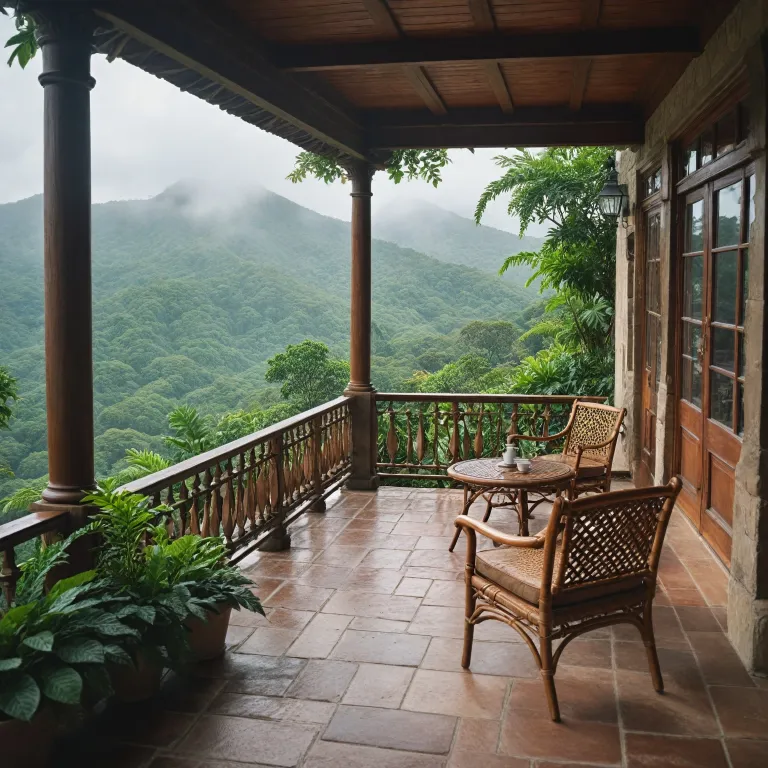
Matagalpa Nicaragua as a refined highland escape for discerning guests
Matagalpa Nicaragua offers a cool highland retreat that feels immediately different from the country’s coastal heat. The city of Matagalpa sits at about 682 meters above sea level, which creates fresh evenings that pair beautifully with elevated gastronomy and attentive service. For travelers comparing cities across Central America, this town stands out as a place where luxury quietly blends with working coffee fincas and authentic daily life.
The Matagalpa Department is known nationally for its coffee, and that heritage shapes every premium stay. High end properties often partner with local cooperatives so guests can trace their coffee from shaded slopes to the cup served at breakfast, which adds depth to any journey focused on flavor and origin. This connection to agriculture also supports sustainable real estate projects that respect the surrounding nature and protect nearby hillsides from unchecked development.
Within Matagalpa city, travelers find a compact urban core framed by mountains and lush valleys. The municipality functions as a commercial hub for northern Nicaragua, yet it remains small enough to cross on foot in under an hour, which appeals to guests who value walkable destinations. Many visitors pair time in this town with coastal stays near San Juan del Sur or Juan del Sur, using Matagalpa as the cool counterpoint to days on the Pacific.
Local history enriches the sense of place for culturally curious guests. Figures such as Carlos Fonseca, born in this region, are remembered in museums and murals that sit only a short drive from luxury lodgings. For travelers arriving from the United States, Canada, the United Kingdom, Belize, Costa Rica, or other parts of Central America, this combination of comfort, history, and landscape makes Matagalpa Nicaragua a compelling base for a longer week in the highlands.
Choosing luxury and premium stays in Matagalpa city and surroundings
Selecting a luxury stay in Matagalpa Nicaragua begins with understanding the geography of the Matagalpa Department. Some travelers prefer to remain in Matagalpa city itself, close to restaurants, cafés, and transport, while others choose secluded properties in the surrounding hills for deeper immersion in nature. Both options can deliver premium comfort, but the guest experience differs significantly between an urban address and a forested ridge overlooking coffee valleys.
High end properties in this part of Nicaragua often emphasize coffee and culinary experiences. Menus highlight local beans, cacao from fincas such as those near Del Cacao, and fresh produce from nearby farms, which turns each meal into a subtle travel guide to regional flavors. When comparing options, look for hotels that offer curated tastings, visits to working mills, or pairings that link coffee with chocolate and rum for a richer sense of place.
Many travelers combine Matagalpa with coastal resorts, especially along the Pacific. For example, refined oceanfront stays and golf escapes at Gran Pacifica Resort in Nicaragua pair well with a cooler inland week in the highlands. This contrast between sea level relaxation and mountain air appeals to guests from the United States, Canada, and the United Kingdom who are used to multi stop journeys across several destinations.
Outside Matagalpa city, properties near Selva Negra or within easy reach of the Apante Reserve and other natural reserve areas offer a more secluded atmosphere. These stays often sit on large real estate holdings that include forest, coffee, and sometimes small lakes or rivers, which creates a private world for guests. When evaluating such options, consider transfer times from Managua or from coastal towns like San Juan del Sur, as the final approach can involve winding mountain roads that add charm but also require planning.
Nature, coffee, and protected landscapes around Matagalpa Nicaragua
The highlands around Matagalpa Nicaragua are defined by steep slopes, cloud forests, and fertile valleys that support both agriculture and conservation. Coffee thrives here under shade trees, and many fincas double as eco focused retreats where guests can walk among rows of plants while learning about sustainable cultivation. This landscape gives the region a distinctive character compared with lowland cities elsewhere in Nicaragua or Central America.
Several protected areas sit within easy reach of Matagalpa city and the wider Matagalpa Department. The Apante Reserve and other natural reserve zones offer signed trails, viewpoints, and birdwatching opportunities that appeal to guests who value nature as part of their journey. While these sites are not national parks in the strict legal sense, they function similarly by preserving forest corridors and water sources that benefit both wildlife and nearby towns.
Selva Negra, located north of the main urban area, is one of the best known highland destinations in Nicaragua. Here, coffee plantations, forest, and hospitality infrastructure coexist on a single piece of real estate, creating a self contained environment for guests. Visitors can spend a week exploring trails, tasting estate grown coffee, and observing how conservation practices support both biodiversity and long term agricultural productivity.
For travelers who enjoy comparing different types of protected landscapes, Matagalpa can be combined with a visit to a coastal national park elsewhere in Central America. Some guests fly into the United States or Canada, connect through hubs that serve Belize or Costa Rica, and then continue overland into Nicaragua, creating a multi country itinerary. In this context, Matagalpa city becomes the cool, green pause between hotter beach towns such as San Juan del Sur or island destinations further afield.
Cultural depth, history, and urban life in Matagalpa city
Beyond its landscapes, Matagalpa Nicaragua offers a layered cultural experience that enriches any premium stay. The city of Matagalpa serves as a commercial and manufacturing center, yet its streets still feel human in scale, with markets, churches, and cafés clustered around a compact core. This balance between activity and intimacy appeals to guests who prefer cities that can be explored on foot rather than by car.
Local history is visible in monuments, museums, and everyday conversations. “Matagalpa is renowned for its coffee production, mountainous landscapes, and rich cultural heritage.” This heritage includes the role of residents in national events, the presence of the Diocese of Matagalpa, and the legacy of figures such as Carlos Fonseca, whose story is intertwined with broader narratives across Nicaragua and Central America.
For travelers arriving from the United States, Canada, the United Kingdom, Belize, or Costa Rica, the city offers an accessible introduction to Nicaraguan daily life. Markets sell regional products such as coffee, cacao from areas like Del Cacao, and textiles that reflect indigenous and mestizo traditions. Even a short week in town allows guests to observe how agriculture, manufacturing, and services intersect to sustain the municipality’s population.
Urban life in Matagalpa city also supports practical aspects of a luxury journey. Banks, pharmacies, and transport services connect the town with other destinations, including coastal areas like San Juan del Sur and Juan del Sur, as well as cross border routes toward Costa Rica. For those considering real estate investments linked to hospitality, understanding how this city functions as a regional hub is essential, since staff, supplies, and many guests will pass through here before reaching more remote properties.
Designing a multi stop journey that includes Matagalpa Nicaragua
Many luxury travelers approach Matagalpa Nicaragua as one element in a broader Central America itinerary. A common pattern involves flying into Managua from the United States, Canada, or the United Kingdom, spending a few nights on the Pacific coast, then heading north into the highlands for cooler air and coffee focused experiences. This structure allows guests to compare different Nicaraguan cities, towns, and landscapes within a single week or slightly longer stay.
Coastal destinations such as San Juan del Sur and Juan del Sur attract visitors with surfing, sailing, and relaxed beach culture. From there, travelers often continue toward Matagalpa city, sometimes stopping at properties along the Emerald Coast that specialize in refined resort stays. For inspiration on this coastal segment, many planners consult guides to Nicaragua resort escapes on the Emerald Coast for discerning travelers before turning inland.
Once in the Matagalpa Department, guests can divide their time between urban comforts and nature based retreats. One approach is to spend several nights in Matagalpa city, followed by a stay near Selva Negra, the Apante Reserve, or another natural reserve where trails and coffee plantations sit side by side. This rhythm of city and countryside suits travelers who value both cultural immersion and quiet reflection in nature.
Some visitors extend their journey beyond Nicaragua, linking Matagalpa with other Central America destinations such as Belize or Costa Rica. Overland routes and regional flights make it possible to cross borders efficiently, turning a single country trip into a multi nation exploration. In these cases, Matagalpa functions as the cool, green midpoint between hotter lowland cities, coastal national park areas, and even island resorts elsewhere in the region.
Practical travel guide for premium stays in Matagalpa and the highlands
Planning a refined stay in Matagalpa Nicaragua benefits from attention to climate, logistics, and local context. The city enjoys a tropical savanna climate with average temperatures around the mid twenties Celsius, moderated by its elevation of roughly 682 meters. Rainfall is significant, so many travelers prefer the drier months for easier road conditions and clearer views over the surrounding hills.
Matagalpa Municipality counts more than 170 000 residents, which supports a solid base of services for visitors. The town’s role as a commercial center means that banks, clinics, and shops are readily available, an advantage for guests who may be continuing to more remote natural reserve areas afterward. When arranging transfers, it is wise to coordinate with your hotel or trusted operators, especially if arriving from coastal towns like San Juan del Sur or from border crossings with Costa Rica.
For those comparing real estate or considering longer stays, understanding the economic structure of the Matagalpa Department is essential. Agriculture, particularly coffee, remains central, alongside mining and manufacturing of foodstuffs, furniture, leather goods, and clay products that circulate across Nicaragua and sometimes to markets in the United States and Canada. This mix of sectors underpins the stability of the city and nearby towns, which in turn supports hospitality ventures at different scales.
Travelers who value responsible tourism can look for properties that partner with local farmers and cooperatives. Many high end stays offer visits to coffee plantations, cacao projects near Del Cacao, or conservation initiatives in areas like Selva Negra and the Apante Reserve. By choosing such options, guests contribute to preserving the nature that makes Matagalpa and its neighboring cities, towns, and national park style reserves such compelling destinations within Central America.
Key statistics for planning a stay in Matagalpa Nicaragua
- Population of Matagalpa Municipality : 171 473 people.
- Elevation of Matagalpa city : 682 meters above sea level.
- Average annual rainfall in Matagalpa : approximately 1 150 mm.
Essential questions about Matagalpa Nicaragua for discerning travelers
What is Matagalpa known for ?
Matagalpa is known for its high quality coffee production, mountainous landscapes, and a cultural heritage that blends indigenous, colonial, and contemporary influences. The city functions as a commercial hub for the surrounding Matagalpa Department, while nearby fincas and natural reserves attract travelers seeking nature and comfort. This combination of agriculture, history, and cool climate makes Matagalpa Nicaragua a distinctive stop within Central America.
What is the climate like in Matagalpa ?
The climate in Matagalpa is generally milder than in many Nicaraguan lowland cities because of its elevation around 682 meters. Temperatures usually range from about 26 °C to 28 °C, with evenings that feel pleasantly cool, especially during the drier months. Rainfall averages roughly 1 150 mm per year, so travelers should pack light layers and a waterproof jacket, particularly if they plan to explore nearby natural reserve areas.
What are the main economic activities in Matagalpa ?
The economy of Matagalpa centers on agriculture, with coffee cultivation playing a leading role in both local livelihoods and export revenues. Mining of gold and silver, along with manufacturing of processed foods, furniture, leather goods, and clay products, adds further diversity to the regional economy. These activities support the services, hospitality, and real estate sectors that enable luxury and premium stays in and around Matagalpa Nicaragua.