Practical guide to where to stay in the Managua region: best areas, sample hotels near Augusto C. Sandino International Airport, commercial-center properties with pools, and how long to stay before heading to Granada, León or the Pacific coast.
Where to Stay in the Managua Region: Areas, Hotels & Practical Tips
Managua region at a glance: is it worth a stay?
Volcano silhouettes on the horizon, low-slung modern buildings, and the vast sweep of Lake Managua set the tone before you even check into your hotel. The Managua region is less about postcard charm and more about strategic comfort: a practical, surprisingly refined base for exploring Nicaragua’s Pacific side. For travelers who value a calm, efficient landing spot with quality rooms, a reliable pool, and easy access to the country’s main routes, it works extremely well.
Most visitors use Managua for the first and last nights of their trip, but a growing number choose to stay longer, especially in the smarter districts south of Carretera Masaya. You will find a clear hierarchy of areas: airport-adjacent for pure convenience, the commercial center for business and shopping, and quieter residential pockets for a more discreet stay. The right choice depends less on star ratings and more on how you plan to move around the country and which Managua hotel facilities you actually intend to use.
If you want to enjoy a smooth arrival, a comfortable room with breakfast included, and quick road access to Granada, León or the Pacific beaches, the Managua region is a strong option. If you are chasing colonial architecture or surf-town nightlife, you will probably prefer to base yourself elsewhere and treat Managua as a gateway rather than a destination in itself.
Best areas to stay in Managua: airport, commercial center, or residential?
Landing late at night at Augusto C. Sandino International Airport changes your priorities instantly. In that case, the airport area is the most rational choice: short transfers, fast check-in, and a standard room where you can sleep within minutes of clearing immigration. Properties here tend to be functional rather than atmospheric, but you gain time and peace of mind, especially if you have an early domestic departure or a same-day overland transfer.
Near the terminal, Best Western Las Mercedes Airport (usually around US$80–120 per night, roughly 2–3 minutes’ drive from the airport, guest ratings often around 8/10) and Airport X Managua (about US$60–90, 5–7 minutes by car, typically rated 8–9/10) are classic choices for one-night stopovers. Both sit close to the main highway toward Granada, which is about 45–60 minutes away by road, while León is usually reached in 1.5–2 hours depending on traffic.
Along Carretera a Masaya and around the main shopping center complexes, the mood shifts. This is the commercial heart of modern Managua, with large malls, international-style restaurants, and business-focused hotels. Staying here suits travelers who want a Managua hotel with a proper pool, a gym, and a choice of restaurants within a short walk, all while remaining in the center of the city’s activity. The average guest profile in this area skews toward business travelers and conference attendees, but leisure guests benefit from the same infrastructure.
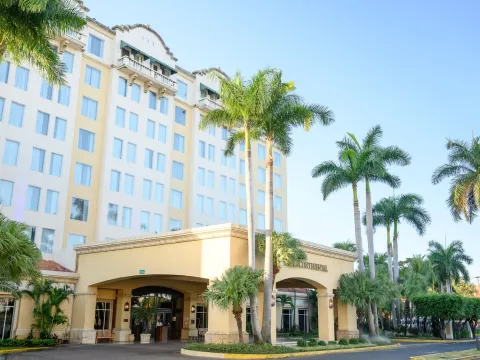
Representative options in this zone include Real InterContinental Managua at Metrocentro Mall (often US$140–220 per night, about 20–25 minutes from Augusto C. Sandino International Airport, guest scores frequently around 9/10) and Hilton Princess Managua (roughly US$110–170, 20–30 minutes from the airport, usually rated 8–9/10). From these hotels, driving time to Granada averages 50–70 minutes, while León is commonly 1.5–2 hours away via the main highway network.
Further south, in residential neighborhoods off Avenida Masaya and near the tree-lined streets around the old Carretera a Masaya, you find smaller, quieter properties. These are better if you value a more intimate atmosphere, leafy gardens, and a slower rhythm. You trade immediate access to every shopping center for calmer evenings and a more local feel, which can be ideal for couples or solo travelers planning a longer stay in Managua.
Rooms, suites and what to expect from your stay
Room categories in the Managua region follow a familiar international logic, but the details matter. A standard room usually means a well-sized bedroom with air conditioning, a proper mattress, and a desk, often with a city or courtyard view rather than anything dramatic. For one or two nights before heading to the Pacific coast or the highlands, this level of comfort is more than sufficient, especially when breakfast is included and served early enough for morning departures.
Travelers who prefer more space should look for a junior suite or full suite category. These often add a separate seating area, a larger bathroom, and sometimes a better view over the city skyline or the hotel gardens and pool. In the Managua climate, that extra living space becomes useful: you can work, read, or simply enjoy a quiet drink in your room without feeling confined. Families or small groups will appreciate the flexibility of connecting rooms, which many higher-end properties in the region offer as a standard option.
One detail to verify before you book is how the hotel defines its room types. In some properties, a junior suite is essentially a larger standard room with a sofa, while in others it feels closer to an apartment. If you plan to stay several nights in Managua, or to use the hotel as a daytime base between excursions, prioritizing a suite or at least a generous standard room will noticeably improve your overall experience.
Pools, breakfast and on-site restaurants: daily life in a Managua hotel
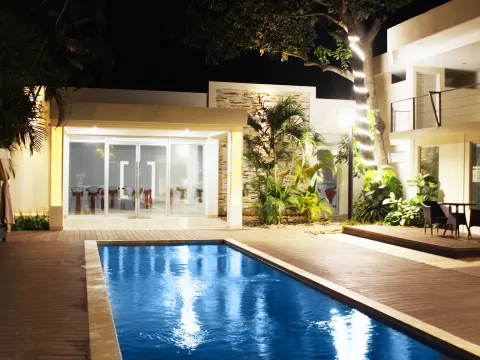
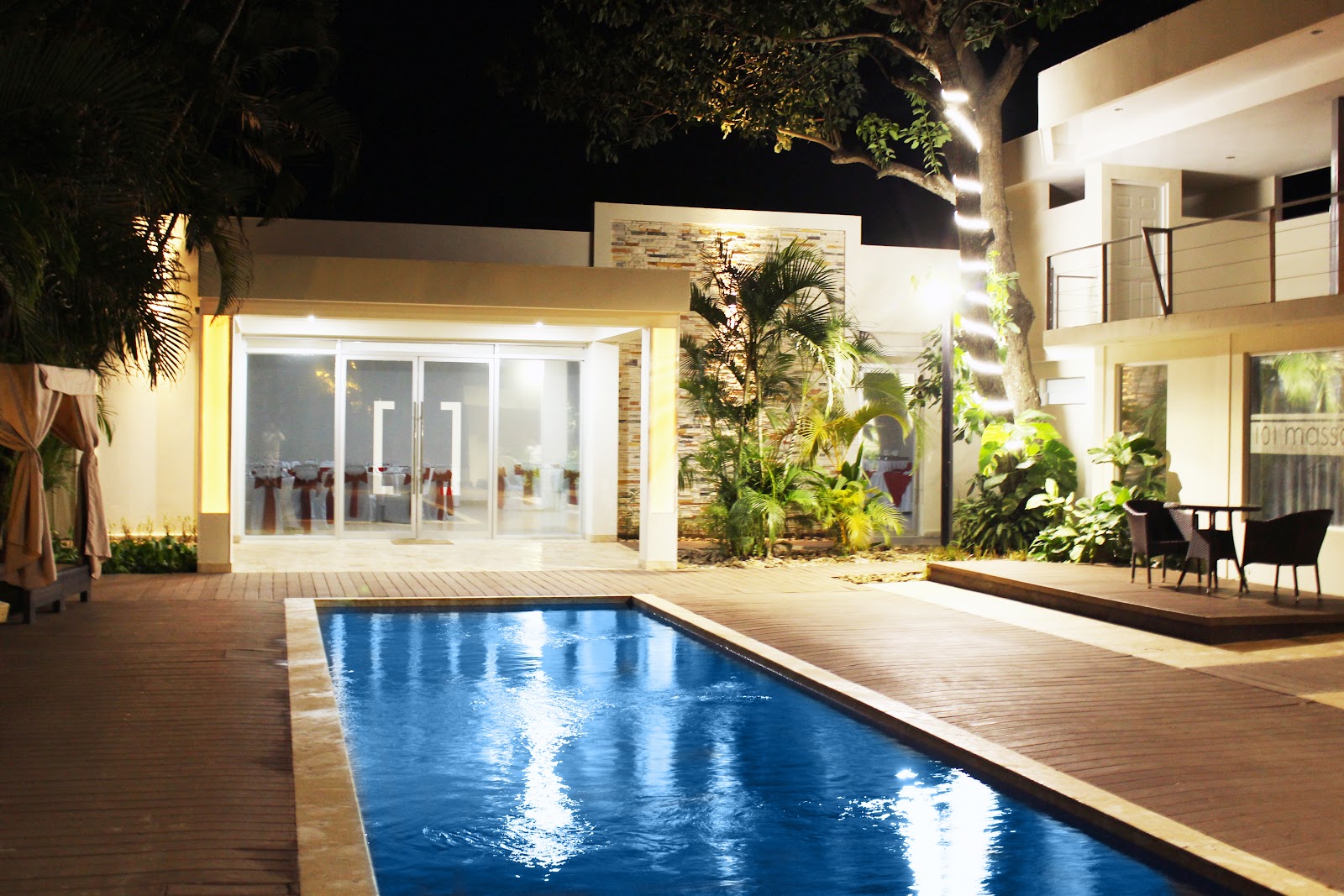
Midday in Managua is hot. A proper pool is not a decorative extra but a genuine comfort. Many of the better hotels in the region offer a central pool with loungers and shaded areas, and some provide direct access to the pool from ground-floor rooms. If you plan to enjoy slow afternoons in the city rather than constant excursions, this feature should sit high on your checklist. The difference between a quick dip in a compact courtyard pool and a spacious, well-designed swimming area is significant when the temperature rises.
Breakfast routines are generally generous and early. In the more premium properties, breakfast included usually means a buffet with fresh tropical fruit, Nicaraguan coffee, eggs cooked to order, and local staples such as gallo pinto. This is where you feel the region’s character most clearly before the day begins. If you have early transfers, confirm the starting time; some hotels will prepare a simplified option for guests leaving before the main service opens.
On-site restaurants tend to focus on a mix of international dishes and Nicaraguan classics, which works well if you prefer to dine within the property after a long day. In the commercial center area, you also gain easy access to multiple restaurants inside nearby malls along Carretera Masaya, so you are not limited to the hotel menu. For a short stay, this combination of pool, breakfast, and restaurant access creates a self-contained base where you can arrive, rest, and reset without logistical effort.
Location, access and moving around the Managua area
Distances in Managua are deceptive on a map. The city spreads out, and what looks close can take time in traffic, especially at peak hours on main arteries like Carretera Norte and Carretera Masaya. Choosing a hotel with good road access is therefore more important than being in a theoretical geographic center. If you plan to continue toward Granada, Masaya or the Pacific beaches, staying in the southern part of the city shortens your exit and avoids unnecessary backtracking.
For travelers arriving or leaving by air, the airport corridor east of the city is the most efficient base. You will not be in the liveliest area, but you gain quick access to the terminal and to the main highways that cross the Managua region. This is particularly useful if you are coordinating with private transfers or organized tours that pick up directly from your hotel. The average time from lobby to check-in counter can be measured in minutes rather than half-hours.
Those who want to explore Managua itself should consider properties near major shopping center complexes and business districts, where taxis and private drivers are easy to arrange. From there, you can reach the Malecón on the shore of Lake Managua, the Plaza de la Revolución, or the viewpoints above the city without complicated logistics. The trade-off is clear: airport proximity for pure convenience, or a more central position if you intend to spend time discovering the city’s cultural and political landmarks.
Who the Managua region suits best (and who should look elsewhere)
Travelers who value efficiency will feel at home in Managua. If your priority is a smooth arrival, a comfortable bedroom, and a predictable level of service before heading to more remote parts of Nicaragua, the region delivers exactly that. You can book a Managua hotel with a standard room, enjoy a solid breakfast, and be on the road toward León or San Juan del Sur before the city fully wakes up. For many itineraries, this is the most intelligent way to structure the first and last nights.
Business travelers also benefit from the city’s layout. Hotels near the commercial center and main office corridors combine meeting spaces, on-site restaurant options, and quick access to government and corporate addresses. In this context, a junior suite or larger suite makes sense, turning your room into a functional workspace between appointments. The presence of multiple shopping center complexes nearby adds practical advantages: pharmacies, cafés, and services are all within a short ride.
By contrast, travelers seeking a deeply atmospheric, walkable historic center may find Managua less compelling as a long-stay base. The city’s post-earthquake urban form is dispersed, and the charm of Nicaragua’s colonial architecture is concentrated in places like Granada or León. For these guests, Managua works best as a gateway: arrive, rest in a comfortable room with access to the pool, organize logistics, then move on to regions where the streets themselves invite slow exploration.
How to choose the right Managua hotel for your itinerary
Start with your arrival and departure times. A late-night landing or dawn flight strongly favors an airport-area hotel, where a standard room with efficient check-in and quick access to the terminal matters more than a dramatic view. If your flights are at more forgiving hours and you plan to stay at least two or three nights, shifting toward the commercial or residential center of Managua will give you a richer sense of the city. In that case, prioritize properties with a generous pool and well-reviewed breakfast service.
Next, match room type to your travel style. Solo travelers or couples passing through for a single night can comfortably choose a standard room, focusing on bed quality and quiet. Families, remote workers, or anyone planning to spend real time in the hotel should look for a junior suite or full suite, where the extra seating area and better layout justify the upgrade. In Managua’s heat, having a calm interior space to retreat to between outings is not a luxury, it is a practical choice.
Finally, consider the immediate surroundings. If you like to step out for a walk, a coffee, or a casual dinner, staying near a major shopping center along Carretera Masaya or in a well-established residential district will suit you better than an isolated roadside property. If you prefer to remain within the hotel, focus on the quality of the restaurant, the design of the pool area, and the overall atmosphere of the common spaces. The right match is less about abstract star ratings and more about how you personally will use the hotel during your stay in the Managua region.
FAQ: hotel Managua region Nicaragua
Is the Managua region a good place to start a trip in Nicaragua?
Yes, the Managua region works very well as a starting point because it combines the country’s main international airport with a solid range of hotels, from simple standard rooms to spacious suites. You gain reliable access to roads leading to Granada, León, Masaya and the Pacific coast, which makes it easy to organize transfers after a night of rest. For most itineraries, spending the first and last nights in Managua is the most practical structure.
Which area of Managua is best for a short stay?
For a one-night stop linked to flights, the airport corridor east of the city is the most efficient choice, as it minimizes transfer time and simplifies early departures. If you have at least two nights and want to see more of the city, staying near the commercial center along Carretera Masaya offers better access to restaurants, shopping centers and transport options. Travelers seeking quieter evenings may prefer residential districts slightly south of these main arteries.
What hotel facilities matter most in the Managua climate?
In Managua’s warm, often humid climate, a well-maintained pool and effective air conditioning in the room are particularly valuable. A good breakfast included in the rate is also important, as it allows you to start early before the heat builds. On-site restaurants and shaded outdoor areas add comfort, especially if you plan to spend part of the day at the hotel between excursions.
How many nights should I plan to stay in Managua?
Most travelers plan one or two nights in Managua at the start or end of their trip, using the city as a gateway to other regions. If you have business in the capital or prefer to travel at a slower pace, extending to three or four nights can make sense, especially in a hotel with a comfortable suite and a pleasant pool area. For purely leisure-focused itineraries, longer stays are usually better spent in destinations like Granada, León or the Pacific coast.
Is it better to stay near the airport or in the city center?
The choice depends on your schedule and priorities. Staying near the airport is better for very late arrivals, early departures, or itineraries with tight connections, as it reduces stress and transfer time. Choosing a hotel in the commercial or residential center of Managua is preferable if you want to explore the city, enjoy a wider choice of restaurants, and have easier access to cultural sites and viewpoints around the lake.