Discover where to stay on Little Corn Island, Nicaragua: how the island is laid out, beach areas, hotel styles, and practical tips on weather, transport and walking times.
Why Little Corn Island is worth the journey
Landing first on Big Corn Island, the final hop to Little Corn feels almost anachronistic – a 25–30 minute panga ride (usually twice daily, weather permitting) from the municipal dock, no cars waiting, just sand paths and the smell of salt and woodsmoke. This is not an island beach destination for people who need a mall, marina or resort strip. It is for guests who are happy when the loudest sound at night is the surf on the reefs and the rustle of palms.
The island is tiny, roughly 3 km long and about 1.5 km across at its widest point, with accommodations scattered between the west-side village and the quieter eastern shore. You walk everywhere here; most hotels are a 5 to 15 minute walk from the main pier at approximately 12.341°N, 83.041°W, and “a minute walk” is a literal description, not marketing language. That scale changes the rhythm of a trip – you plan your day around the sun and the tide, not around traffic or shuttle timetables.
For a Nicaragua itinerary built around volcanoes and colonial cities, Little Corn adds something else entirely. It is the slow, barefoot chapter at the end, where you swap cobblestones for coral sand and trade rooftop bars for a hammock under almond trees. If you are looking for a hotel that keeps you plugged into city energy, this is the wrong island. If you want to feel the Caribbean without the crowds, it is exactly the right one.
How the island is laid out: west village to wild east
Step off the boat at the small concrete pier on the west side and you are in the island’s social hub. Here, simple guest houses and modest hotels such as Sunrise Paradise (near 12.341°N, 83.041°W) and Elsa’s Place (close to the main path behind the beach) are located along the sandy main path that runs parallel to the shore. You are close to casual food shacks, small shops and the evening buzz of locals playing baseball near the school field. It suits guests who like to walk out of their room and be among people within seconds.
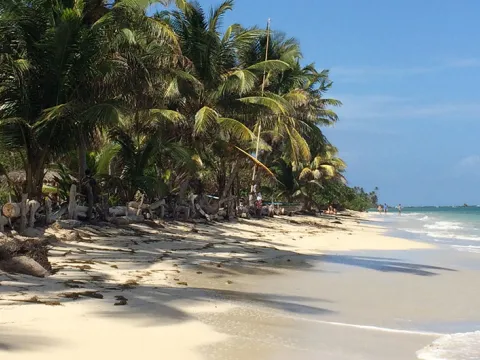
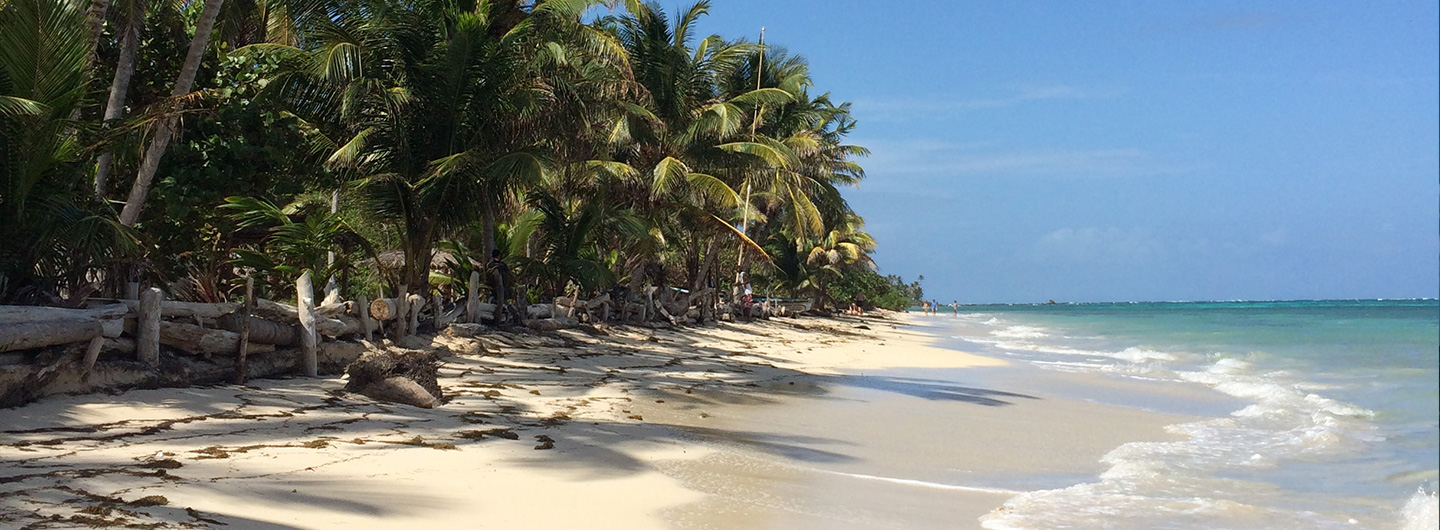
Cross to the opposite coast and the mood changes. The eastern and northeastern shores feel more remote, with stretches of island beach broken by pockets of palms and low jungle. Properties here lean towards eco lodge style, with wooden structures, elevated walkways and a stronger sense of separation from the village. You trade convenience for quiet, and the night sky feels darker, the marine life closer, the sound of the breakers more insistent.
Between these two worlds, a sandy path cuts across the interior in about 20 minutes. You might pass a small baseball diamond, a cluster of houses with corn and plantain plots, and children cycling barefoot. That walk is the island in miniature – practical, human, and always within earshot of the sea. When you choose a hotel on Little Corn Island, you are really choosing which side of this walk you want to wake up on and how far you want to be from the pier.
Types of stays: from beach bungalow to simple guest house
On such a small island, the range of accommodations is surprisingly nuanced. At the top end, you find secluded villas and suites located directly on the sand or just above the rocks, often with large verandas facing the reefs. These are the places that feel made for long stays, where a single night would be a waste of the setting. They suit couples and adults who want privacy and a sense of being almost alone with the sea, with nightly rates that typically start around the higher mid-range.
Mid-range options often take the form of a beach bungalow or small cluster of cabins set in gardens just behind the shore. Expect wooden interiors, ceiling fans, and a short walk – sometimes seconds – to the water. These hotels balance comfort with the island’s informal character, attracting guests who want charm without formality. You still feel the sand underfoot, but you also have a proper bed, decent storage and thoughtful touches like mosquito nets and on-site breakfast.
Closer to the pier and in the village, simple rooms and guest house style stays offer a more local, lived-in feel. They are usually located a short walk from the main beach rather than directly on it, and they work well if you plan to be out diving, snorkeling or exploring most of the day. The trade-off is clear: less drama from your window, more immediate access to everyday island life, and generally the lowest price band for a clean, basic room.
Beach geography: choosing your stretch of sand
Not all sand on Little Corn Island is created equal. The west side near the pier has a friendly, lived-in shoreline where fishing boats pull up and children learn to swim. It is not the most photogenic stretch, but it is the most social, and staying here means you are a short walk from most casual food spots and services. For some guests, that practicality outweighs the postcard factor when picking where to stay.
Head north and east and the beaches become wilder, with paler sand and clearer water. Certain coves on the northeast coast feel almost private, especially early in the morning when the only footprints are yours and those of the island dogs. Hotels located along these sections often market themselves around tranquility and direct access to the reefs. You step out, walk a minute, and you are in the water with parrotfish and rays, sometimes sharing the bay with only a handful of other swimmers.
Further south, smaller pockets of sand are framed by rocky outcrops and low vegetation. These spots can be more exposed to wind and swell, which appeals to some and bothers others. If your ideal island beach is a calm, protected lagoon, you will want to ask specifically about the usual sea conditions in front of your chosen hotel. If you enjoy a bit of surf energy and do not mind a more rugged shoreline, the southern corners can feel wonderfully raw and untamed.
What to expect day to night: rhythm, food, and marine life
Mornings on Little Corn Island start early. Fishermen head out while the light is still soft, and by the time you walk the sandy path for breakfast, you may pass coolers being wheeled towards kitchens. Many hotels have their own dining rooms or terraces, and the food often leans on what the sea has given that day – snapper, lobster in season, simple rice and beans, tropical fruit. It is not about elaborate tasting menus; it is about freshness, context and eating close to where everything was caught or grown.
Daytime belongs to the water. The reefs around the island are close enough that even a short boat ride can put you over coral gardens teeming with marine life. Snorkeling trips often last just a few hours, leaving plenty of time to read in a hammock or walk the circumference of the island in an unhurried loop. You feel the scale of the place in your legs: this is an island you can literally get to know on foot, with most hotel-to-beach walks measured in minutes rather than kilometres.
After dark, the energy drops a notch. A few small bars and restaurants in the village stay open, but there is no real late-night scene. Guests tend to linger over dinner, listen to the surf and call it a night earlier than they would on the mainland. If you need bright lights and a choice of venues, you may find the evenings too quiet. If you like the idea of hearing only waves and wind by 22.00, you will sleep very well here and wake up with the sunrise.
Is a hotel on Little Corn Island right for you?
Choosing a hotel on Little Corn Island is less about star ratings and more about temperament. This is an island little in size and infrastructure, and that is precisely its charm. You walk on sand, you accept the occasional power cut, you understand that things run on island time. Guests who arrive expecting a polished resort corridor may be unsettled. Those who come for a slower, more tactile version of luxury – space, silence, proximity to nature – tend to extend their stay once they settle into the rhythm.
Compared with mainland Nicaragua, where you might split nights between Granada, León and the Pacific coast, Little Corn is a deliberate detour. It requires a domestic flight from Managua to Big Corn Island with airlines such as La Costeña, and then a boat, which adds a layer of logistics to your trip. The reward is a place where you can swim with reef fish in the morning, eat grilled fish with your feet in the sand at lunch, and cross the island by starlight after dinner. That is the real upgrade here, more about experience than about thread count.
If you are weighing it against more developed Caribbean islands, the trade-off is straightforward. You give up shopping, nightlife and extensive hotel choice – there are only a limited number of hotels little enough to feel personal yet established enough to be reliable. In return, you gain an island where the horizon is mostly empty, the paths are unpaved, and the most valuable amenity is the feeling that, for a few days, the wider world has receded and your hotel is simply a base for sea, sky and sleep.
Is Little Corn Island a good place to stay in Nicaragua?
Little Corn Island is an excellent place to stay if you value quiet beaches, a small-scale island community and easy access to reefs and marine life. It works best as the slower, restorative chapter of a Nicaragua itinerary, after you have explored cities and volcanoes on the mainland. Travelers who need urban energy, shopping or structured nightlife will be better served elsewhere, while those seeking a relaxed Caribbean hotel base will feel rewarded.
How many days should I plan on Little Corn Island?
Three to five nights is a comfortable range for most guests on Little Corn Island. That gives you time to settle into your hotel, snorkel or dive on the nearby reefs, walk the island from west to east, and still have unstructured hours on the beach. Shorter stays can feel rushed given the extra flight and boat transfer needed to reach the island, especially if weather delays affect the panga schedule.
What is the best time of year to visit Little Corn Island?
The most reliable weather on Little Corn Island generally falls in the drier months from December to April, when trade winds are steadier and rainfall is lower. During this period, you can expect more sunshine, calmer seas and better visibility for snorkeling and diving. Outside these months, the island remains open year-round, but you should be prepared for more frequent showers and occasional rougher seas that can affect boat crossings and some water activities.
Is it easy to get around Little Corn Island without cars?
Getting around Little Corn Island is straightforward because the island is small and there are no cars. You move on foot along sandy paths that link the pier, village, beaches and hotels on the east coast. Most walks between accommodations and the main areas take between 5 and 25 minutes, so comfortable sandals or light shoes are more important than any vehicle, and you quickly learn to time your walks with the heat of the day.
Who will enjoy a hotel stay on Little Corn Island the most?
A hotel stay on Little Corn Island suits travelers who appreciate simplicity, nature and a slower pace. Couples, solo travelers and small groups of adults who enjoy swimming, snorkeling, reading on the beach and unhurried meals will feel at home. Visitors who prioritize extensive facilities, structured entertainment or a wide choice of restaurants and bars may find the island too quiet for their tastes, while those who value calm, character and sea views will likely consider it a highlight.