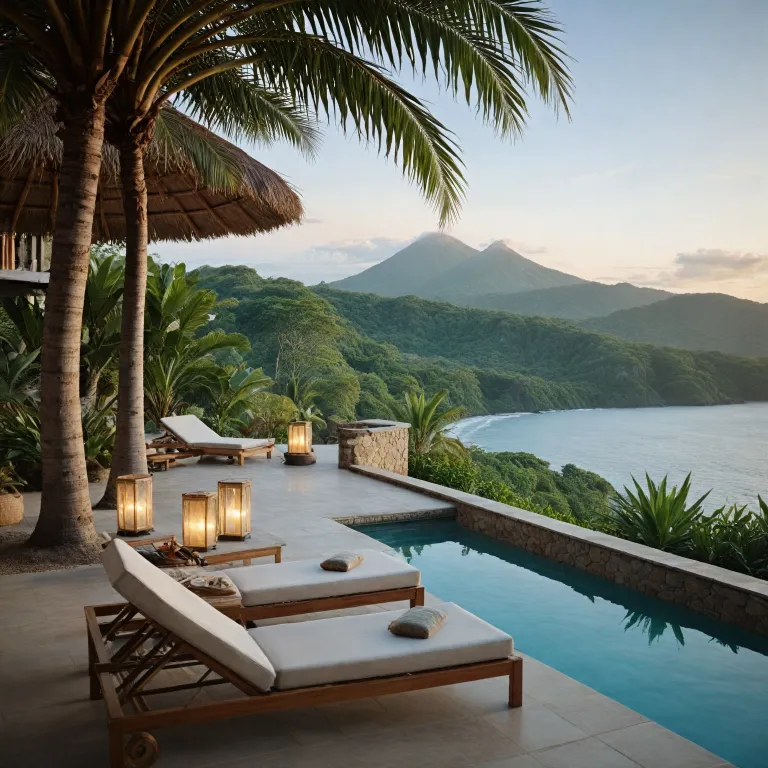
Why Tola Nicaragua is redefining luxury on the Emerald Coast
Tola Nicaragua sits on the Pacific edge of the Rivas department, where rolling hills meet a rugged coastline. Along this stretch of the Emerald Coast, the municipality of Tola offers 19 distinct beaches and a growing collection of luxury properties that appeal to discerning guests. For travelers comparing options across Central America, the combination of natural beauty, privacy, and high end service in Tola is increasingly compelling.
The Municipality of Tola works alongside the Indigenous Nahua Community to balance tourism growth with cultural preservation and environmental protection. This partnership underpins how real estate projects, from an intimate villa to expansive hacienda style estates, are planned along the shoreline. As a result, guests encounter both refined comfort and a sense of authenticity that is rare in many coastal destinations.
Within Nicaragua Tola is best known for its surf focused enclaves such as Popoyo, Playa Colorado, Playa Santana, and Playa Gigante. Each playa has its own character, from the laid back surf village atmosphere of popoyo to the more private communities of hacienda iguana and rancho santana. Luxury travelers can choose between a secluded villa with ocean views, a full service hotel with a large swimming pool, or a hacienda style compound ideal for extended families.
Tourism is now a leading economic activity in Tola, supported by improved road access from the Pan American Highway near Rivas. Visitors typically arrive via Managua airport, then continue by private transfer or rental car through Rivas tola and onward to the coast. The journey from the capital to tola nicaragua takes several hours, but the reward is a coastline where a minute walk often separates your room from a quiet beach.
Key coastal areas in Tola for premium and luxury stays
The shoreline of Tola Nicaragua unfolds as a sequence of coves and headlands, each framing a different style of stay. Around popoyo, a mix of surf lodges, upscale villas, and a few refined hotel options cluster near consistent reef and beach breaks. Here, guests who prioritize surf can choose accommodation where a minute walk brings them from bed to board, while still enjoying a pool and attentive service.
Farther south, Playa Santana and the broader santana area host some of the region’s most established luxury communities. Within rancho santana, travelers find villas, hacienda style homes, and hotel rooms set among cliffs, valleys, and five distinct beaches including santana beach. Many properties feature a private swimming pool, panoramic ocean views, and direct access to a beach ideal for both surf and sunset walks.
To the north, hacienda iguana and the surrounding iguana community front the famed Playa Colorado, one of Nicaragua’s most consistent surf breaks. Here, a mix of condominium style units, stand alone villa options, and a central hotel layout cater to both surf focused guests and families seeking a pool free of crowds. The gated nature of hacienda iguana appeals to travelers who value security, on site dining, and easy access to golf and wellness services.
Smaller coves such as Playa Gigante and the coastline toward San Juan del Sur offer a more bohemian atmosphere, with fishing boats lining the playa and simple eateries beside higher end rentals. Travelers comparing the Emerald Coast to other parts of Central America often pair a stay in tola nicaragua with time at a wellness focused property such as a luxury oceanfront wellness retreat on the Emerald Coast. This combination allows guests to experience both the surf energy of nicaragua tola and the quieter, spa oriented side of the region.
Understanding reviews, ratings, and what they mean in Tola
When evaluating a hotel or villa in Tola Nicaragua, online reviews and the overall rating provide essential context, but they require careful reading. Many properties in nicaragua tola are independently owned or part of small real estate developments, so the volume of reviews may be lower than in major resort hubs. Travelers should therefore focus on the consistency of comments about cleanliness, service, and maintenance rather than only the numerical rating.
Guest feedback often highlights the trade off between proximity to the beach and the level of seclusion or elevation for better ocean views. A villa perched above Playa Colorado or santana beach may earn glowing reviews for sunsets and breezes, while a hotel directly on the playa receives praise for a quick minute walk to the surf. In both cases, discerning guests should read how previous visitors describe noise levels, access to a pool or swimming pool, and the reliability of Wi Fi and air conditioning.
In Tola, many luxury properties emphasize connection to natural beauty, which can mean wildlife sounds, unpaved access roads, and a more open design. Reviews from guests who value immersion in nature will often celebrate these details, while others might mention them as inconveniences. When comparing options from popoyo to gigante and onward toward san juan del sur, it is wise to filter reviews by traveler type, focusing on families, couples, or surf travelers whose priorities match your own.
Because tourism is a primary economic driver in the Municipality of Tola, owners and managers tend to respond actively to guest feedback. Prospective visitors from the United States and beyond should look for recent management responses that address any recurring concerns about the pool, beach access, or transportation from the airport. This dialogue between hosts and guests is a strong indicator of how seriously a property treats service, safety, and long term quality.
Location, access, and logistics for high end stays in Tola
Reaching Tola Nicaragua typically begins with an international flight into Managua airport, followed by a road transfer south toward Rivas. From the junction near Rivas tola, a well signposted route leads west toward the Emerald Coast, branching to popoyo, hacienda iguana, rancho santana, and other beach communities. Travelers arriving from the United States often arrange private transfers through their hotel or villa host, which simplifies navigation and ensures a smoother arrival.
Driving times vary depending on whether your final destination is near Playa Gigante, Playa Colorado, or the more southerly stretches toward san juan del sur. Properties in hacienda iguana and rancho santana usually provide clear directions, including where the paved road ends and the final kilometers of dirt track begin. Guests should confirm in advance whether a standard rental car is sufficient or whether a higher clearance vehicle is recommended, especially during the wet season when rainfall in Tola can be significant.
Once settled, many luxury travelers choose to remain within their coastal enclave, relying on on site dining, a pool or swimming pool, and organized excursions. However, exploring the wider municipality of Tola reveals inland villages, viewpoints, and traces of Indigenous Nahua heritage that enrich an otherwise beach focused stay. Day trips to Rivas or farther south toward san juan del sur and playa del sur offer additional dining and shopping options, though they require planning for road conditions and daylight hours.
For those comparing different parts of Nicaragua’s Pacific, it can be useful to pair a stay in tola nicaragua with time at another refined oceanfront resort such as a golf oriented oceanfront property closer to Managua. This combination allows guests to experience both the surf centric atmosphere of nicaragua tola and a more golf and community focused environment. In all cases, confirming transfer times, road conditions, and arrival windows with your host helps ensure that the journey from airport to beach feels like part of the holiday rather than an obstacle.
Choosing between villas, hotels, and hacienda style estates
Accommodation in Tola Nicaragua spans from intimate villas to full service hotel complexes and expansive hacienda style estates. In communities such as hacienda iguana and rancho santana, travelers can select a villa with a private pool, a hotel room near shared amenities, or a larger hacienda suitable for multi generational groups. Each option offers a different balance between privacy, service, and proximity to the beach or surf breaks.
Villas along Playa Colorado, santana beach, and near gigante often appeal to guests who value independence and home like comfort. These properties typically feature kitchens, indoor outdoor living spaces, and terraces with ocean views, allowing guests to set their own rhythm. A villa can be especially attractive for longer stays or for travelers interested in local real estate, as it provides a lived in sense of how daily life in nicaragua tola might feel.
Hotel style properties, by contrast, emphasize convenience, with on site restaurants, housekeeping, and a central swimming pool or pool free of outside visitors. For first time guests to Tola, a hotel within a managed community in Rivas tola can reduce logistical complexity while still offering access to surf, spa services, and guided excursions. Some hacienda style estates blend both models, providing staffed villas where a dedicated team handles cooking, cleaning, and activity planning.
Across these formats, the most sought after luxury stays in tola nicaragua share a commitment to low density development and integration with natural beauty. Many properties are designed so that a minute walk leads from shaded courtyards to the playa, yet buildings remain set back to preserve dunes and coastal vegetation. This approach reflects a broader trend in Central America, where high end coastal projects increasingly prioritize sustainability, cultural respect, and long term value for both guests and local communities.
Surf, wellness, and cultural depth along the Emerald Coast
Surf is a defining element of Tola Nicaragua, drawing travelers from the United States, Europe, and across Central America. Breaks at popoyo, Playa Colorado, and santana beach are renowned for consistency, with offshore winds and varied reef and beach setups suitable for different skill levels. Many hotels and villas in nicaragua tola offer surf guiding, board rentals, and lessons, allowing both dedicated surfers and curious guests to engage with the waves.
Beyond surf, wellness has become a central pillar of the luxury offering along the Emerald Coast. Properties in hacienda iguana, rancho santana, and near gigante increasingly feature yoga platforms, spa cabins, and menus emphasizing local produce and seafood. Guests can alternate between time in the pool or swimming pool, walks along the playa, and treatments that draw on regional ingredients, all while surrounded by the area’s natural beauty.
Cultural experiences add another layer of depth to a stay in Tola, particularly through engagement with the Indigenous Nahua Community and local villages inland from the beach. Guided visits can introduce guests to traditional crafts, community projects, and stories that predate the modern tourism wave in Rivas tola. “Engage with local communities to experience indigenous Nahua culture.” This perspective helps travelers understand how the municipality balances tourism, real estate development, and heritage.
For those considering investment as well as leisure, the growth of high end real estate along the Emerald Coast is notable. Developments near playa del sur, san juan del sur, and the broader sur tola corridor illustrate how demand for villas and hacienda style homes continues to rise. Whether visiting purely as guests or exploring ownership options, travelers will find that tola nicaragua offers a rare combination of surf, serenity, and cultural resonance on a still relatively uncrowded stretch of Pacific coast.
Key statistics about Tola and its coastal environment
- Tola covers an area of approximately 477 km² within the Rivas department, combining inland farmland with a 54 km stretch of Pacific coastline.
- The municipality’s population is estimated at just under 24,000 inhabitants, with roughly one third living in urbanized areas and the remainder in rural communities.
- Along this coastline, travelers can access 19 named beaches, including popoyo, Playa Colorado, Playa Santana, and Playa Gigante, each offering different conditions for surf and swimming.
- The region experiences an average annual rainfall of around 1,449 mm, with a marked dry season from November to April that many guests consider ideal for beach and surf holidays.
- Tourism, particularly related to surfing and coastal resorts, has become one of the most significant economic activities in Tola, driving investment in infrastructure and services.
Questions travelers often ask about Tola Nicaragua
What is the main economic activity in Tola ?
Tourism is a leading economic force in Tola Nicaragua, especially along the Emerald Coast where surf focused communities such as popoyo, hacienda iguana, and rancho santana attract international guests. High end hotels, villas, and hacienda style estates generate employment in hospitality, construction, transport, and guiding services. This tourism driven economy is complemented by agriculture and small scale fishing, particularly in villages near playa gigante and other coastal areas.
How can one reach Tola from Managua ?
Travelers typically fly into Managua airport and then continue by road toward the Rivas department. The usual route follows the Pan American Highway south, with a clearly marked turnoff about 3 km before the city of Rivas that leads west toward Tola and the coast. From this junction, well signposted roads branch toward popoyo, Playa Colorado, santana beach, and other enclaves, with many hotels and villa hosts offering private transfers for added comfort.
What is the climate like in Tola ?
Tola Nicaragua has a tropical climate with a pronounced dry season from November to April and a wetter period from May to October. During the dry months, skies are generally clear, humidity is moderate, and conditions are ideal for surf, beach time, and outdoor excursions. The wet season brings heavier rainfall, especially in the afternoons and evenings, which keeps the landscape lush and supports the region’s natural beauty but may require more flexible travel plans.