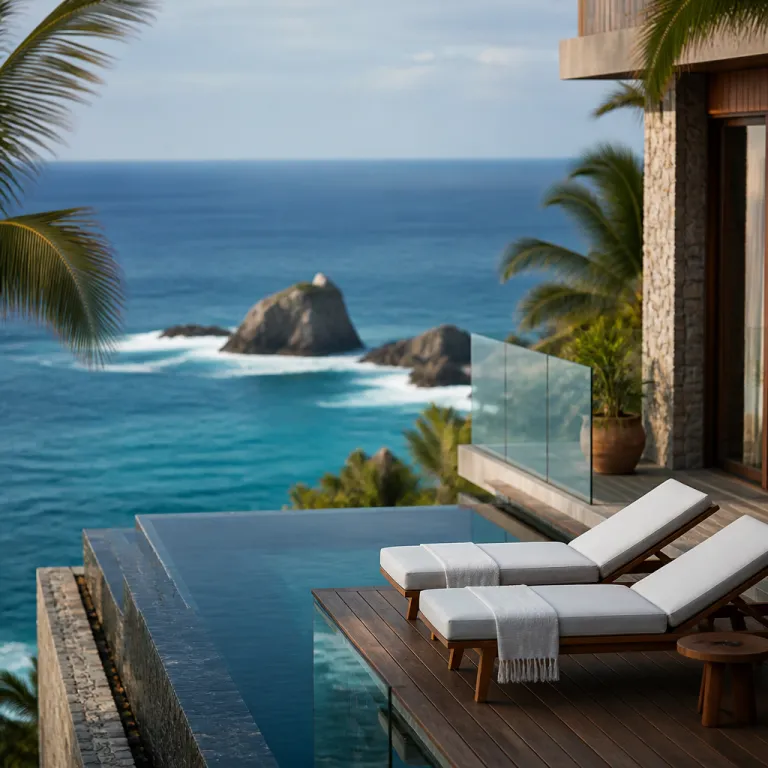
Luxury perspectives on the best nicaragua sites to visit
Nicaragua rewards travelers who pair refined hotels with thoughtful itineraries. When you plan which Nicaragua destinations to explore, start by mapping how each city, island, lake, and national park aligns with your preferred style of comfort. This approach lets you match the best places to stay with the most memorable things to see, so every day feels seamless.
High end travelers usually combine Granada, León, and Managua with at least one island or beach retreat. In practice, that might mean two days in the colonial city of Granada, two nights on Ometepe Island in Lake Nicaragua, and three days on the Pacific near San Juan del Sur, with private transfers that typically range from about 90 to 180 USD per leg depending on distance and vehicle class. When you visit Nicaragua this way, you balance cultural depth, soft adventure, and indulgent downtime at carefully curated properties.
Luxury focused guests often ask which Nicaragua highlights to prioritize first. For a first trip, I recommend beginning in Granada, then continuing to the Masaya Volcano National Park and Laguna Apoyo before heading west to León. This route keeps transfer times short each day, while giving you access to some of the best beaches, volcano viewpoints, and freshwater lakes in Central America.
When you choose places to visit, consider how each stop supports your overall rhythm. A city like Managua works well as a one night gateway, while a place such as San Juan del Sur or a Corn Island beach cove deserves at least three nights. The more carefully you sequence these destinations, the more your hotel choices can shine, from rooftop pools to lake facing suites.
For travelers comparing Costa Rica and Nicaragua for upscale vacations, the latter often offers more privacy for the same level of comfort. High calibre rooms with views of a volcano or lake can cost several hundred USD less per stay than similar properties across the border in Costa Rica. That price difference in USD frees budget for private guides, elevated dining, and curated excursions to hidden islands or lesser known national park areas.
Granada, Lake Nicaragua and refined lakeside retreats
Granada is the most graceful city base for exploring many of the essential Nicaragua places to visit. Its pastel facades, cobbled streets, and leafy plazas create a calm backdrop for guests who value both heritage and comfort. From a luxury hotel in Granada, you can reach Lake Nicaragua, the nearby volcanoes, and several of the best spots for soft adventure within an hour.
Many travelers underestimate how much there is to explore around Lake Nicaragua. A private boat tour through the isletas, the tiny islands scattered just off the Granada shore, lets you glide past bird filled mangroves and elegant villas while your captain points out the best things to photograph. Some of the most atmospheric places to visit here are small island restaurants where you can pause for a long lunch before returning to your city hotel pool.
For a curated overview of refined experiences in and around this colonial city, consult a specialist resource such as this elegant Granada city escape guide. It will help you prioritize which churches, markets, and lake facing terraces to visit in a single day. With that travel guide style planning, you can move smoothly from a rooftop cocktail at sunset to a late dinner in one of the city’s best restaurants, such as a courtyard spot near Parque Central or a tasting menu venue on Calle La Calzada.
From Granada, it is easy to arrange a half day visit to Laguna Apoyo, often written as Laguna de Apoyo, a crater lake framed by forested slopes. Here, upscale eco lodges offer day passes that include lake access, kayaks, and shaded decks where you can relax between swims. The short transfer time in USD terms is negligible compared with the value of having both lake and city experiences in one stay.
Another essential excursion from Granada is the Masaya Volcano National Park, one of the most dramatic Nicaragua attractions to experience after dark. You can stand at the crater rim and watch the glow from the Masaya volcano, then return to your hotel in under an hour. This combination of raw volcanic power and refined city comfort is one of the best things about choosing Granada as your primary base to visit Nicaragua in style.
Pacific elegance in San Juan del Sur and nearby beaches
On the Pacific coast, San Juan del Sur anchors a string of coves that rank among the most appealing Nicaragua beach destinations for luxury. The town itself can feel lively, but the real charm for discerning travelers lies in the quieter beaches north and south of the bay. Here, hillside villas and intimate high end hotels overlook long crescents of sand where you can walk for a full day and meet only a handful of surfers.
When you plan where to stay, think of San Juan del Sur as your service hub and the surrounding beaches as your private playground. Properties on Playa Maderas, Playa Marsella, and other nearby beaches offer elevated suites, infinity pools, and curated wellness programs, while still keeping you close enough to the city for dining and nightlife. Transfers from Managua usually cost between roughly 25 USD per person in a shared shuttle and 120 to 200 USD for a private SUV, depending on season and route.
Farther afield, the Corn Islands in the Caribbean add another dimension to Nicaragua’s coastal indulgence. Big Corn Island has a small airstrip, a ring road, and a growing selection of comfortable hotels that sit directly on white sand beaches. For a detailed sense of what a refined stay here can look like, consult a specialist overview such as this guide to refined coastal escapes on Big Corn Island.
Many guests pair Big Corn with the smaller Corn Island known as Little Corn, creating a two island itinerary that feels far removed from the mainland city rhythm. Boat transfers between the islands are short, but you should factor in extra time and modest costs in USD for luggage handling and private boat charters if you prefer more comfort. These islands offer some of the best places in Nicaragua for snorkeling, reef swimming, and long, quiet beach walks.
Whether you choose San Juan del Sur, a nearby Pacific beach, or a Corn Island hideaway, the key is to balance seclusion with access. Ask your hotel to arrange private drivers so you can explore nearby points of interest, from turtle nesting beaches to hilltop viewpoints, without worrying about logistics. This is where a detailed travel guide style plan pays off, turning a simple beach stay into one of the best things you will remember about your visit Nicaragua journey.
Ometepe Island, Laguna Apoyo and volcanic lake hideaways
For travelers who value both serenity and scenery, the volcanic lakes rank among the most rewarding Nicaragua places to discover. Ometepe Island rises from Lake Nicaragua with two distinct volcanoes, Concepción and Maderas, creating a dramatic silhouette that you first glimpse from the ferry. Many luxury minded guests choose lakefront lodges here, where every day begins with views of the volcano slopes and the calm lake surface.
Ometepe Island is ideal for travelers who want to explore but still return to comfort each evening. You can spend one day hiking gentle trails, another day visiting petroglyph sites, and a third day on a guided tour that circles the island’s best viewpoints, all while your hotel handles transfers. Costs in USD for private guides remain reasonable compared with similar experiences in Costa Rica, which makes it easier to add extra activities without stretching your budget.
Laguna Apoyo offers a different kind of lake experience, closer to both Granada and Managua yet still peaceful. Upscale eco properties here often include direct lake access, paddleboards, and shaded decks where you can relax between swims or short hikes. Many guests treat Laguna Apoyo as a two night interlude between city stays, using it as a place to visit for pure rest before continuing to León or San Juan del Sur.
On the Caribbean side, the Corn Islands provide another layer of water focused calm. Big Corn has more infrastructure, while the smaller Corn Island offers a slower pace and fewer vehicles, which many luxury travelers appreciate. For a deeper sense of the refined options on the smaller island, consult a dedicated resource such as this elegant guide to Great Corn Island, which outlines how to pair beach time with comfortable stays.
When you compare these lake and island retreats, think about how you like to structure each day. Ometepe Island suits guests who enjoy active mornings and relaxed afternoons, while Laguna Apoyo is better for unhurried swims and long lunches by the lake. The Corn Islands, both Big Corn and the smaller Corn Island, work best as a final stop, where you can reflect on all the things Nicaragua has offered before flying back through Managua.
León, Masaya Volcano National Park and cultural depth
León is the intellectual and artistic counterpoint to Granada, and it deserves a firm place on any list of Nicaragua cities to visit. The city combines grand churches, contemporary galleries, and a strong revolutionary history, which gives your stay a sense of narrative depth. Many high end travelers choose restored mansions or refined guesthouses here, using them as a base to explore both the city and nearby volcano landscapes.
From León, you can arrange a day trip to Cerro Negro, the black sand volcano famous for volcano boarding. Even if you prefer not to slide down the slope, the hike itself offers wide views over the surrounding plains and distant lake systems. Private excursions usually cost a modest amount in USD, especially when shared between two or more guests, and your hotel can recommend reputable operators.
Masaya Volcano National Park sits closer to Granada and Managua, but it is often combined with León in broader itineraries. The park is one of the most accessible Nicaragua sites to visit for seeing an active crater, and the Masaya volcano glow at night is unforgettable. Many travelers choose to visit in the late afternoon, watching the transition from daylight to darkness before returning to their city hotel for a late dinner.
Within León itself, the best places to visit include the cathedral rooftop, several small museums, and a growing number of contemporary art spaces. You can easily spend a full day moving between these sites, pausing at shaded cafés and returning to your hotel pool during the hottest hours. This rhythm suits travelers who want to explore at a measured pace while still absorbing the city’s layered history.
For guests who are planning whether to visit Nicaragua or focus solely on Costa Rica, León often becomes a deciding factor. The combination of cultural richness, nearby volcano excursions, and comparatively gentle costs in USD for upscale lodging makes the city a compelling inclusion. When you weave León into your route alongside Granada, Ometepe Island, and at least one beach or island stay, you create a balanced portrait of the best things Nicaragua can offer.
Hidden gems and off the radar Nicaragua sites to visit
Beyond the headline cities and islands, several quieter corners of the country reward travelers who value privacy and authenticity. Somoto Canyon in the north, for example, has emerged as one of the most striking Nicaragua nature escapes for soft adventure. Guided river walks through the canyon combine gentle swimming, rock formations, and cliff views, while nearby lodges provide simple but comfortable stays that can be paired with more luxurious nights back in the city.
Mombacho Volcano, near Granada, offers cloud forest trails and canopy tours that feel worlds away from the heat of the lowlands. A private transfer from your Granada hotel to the reserve costs a manageable sum in USD, and the experience of walking through misty forest while looking down toward Lake Nicaragua is worth every cent. Many guests list this as one of the best things they did during their visit Nicaragua itinerary, especially when combined with a relaxed afternoon back at their pool.
Laguna Apoyo, already mentioned as a lake retreat, also hides smaller, more exclusive properties along its rim. These places to stay often limit day passes, preserving a sense of calm for overnight guests who value quiet decks and uninterrupted views. If you are using a detailed travel guide to plan, look for properties that cap guest numbers and offer private access to the lake, as these details make a tangible difference to your stay.
On the Caribbean side, some of the most rewarding Nicaragua coastal hideaways are small coves on the Corn Islands that sit away from the main settlements. A short taxi ride on Big Corn or a guided walk on the smaller Corn Island can lead you to beaches where you share the sand with only a few locals. These hidden beaches are ideal places to visit for sunset, especially if your hotel can arrange a private picnic or a simple seafood dinner on the shore.
When evaluating these quieter places, remember that transfer times and logistics matter as much as scenery. Ask your hotel concierge to outline realistic day by day plans, including approximate costs in USD for drivers, guides, and park fees, so you can decide which hidden gems fit your schedule. This level of planning ensures that off the radar sites enhance your overall experience of things Nicaragua offers, rather than adding stress.
Planning luxury stays, budgets in USD and practical travel guidance
Thoughtful planning is what turns a list of Nicaragua sites to visit into a coherent, luxurious journey. Start by deciding how many days you want to spend in each city, island, lake, and national park, then match those blocks with properties that reflect your preferred level of service. A common pattern is two or three days in Granada, two days on Ometepe Island or Laguna Apoyo, three days in San Juan del Sur, and three days on a Corn Island beach.
When budgeting, consider that upscale rooms in Nicaragua often cost less in USD than comparable options in Costa Rica, especially outside peak holiday periods. This price difference allows you to allocate more funds to private transfers, curated excursions, and elevated dining in the best places to visit. For example, upgrading from a shared shuttle to a private driver between Managua and San Juan del Sur might add 80 to 150 USD to your costs, but it significantly improves comfort and flexibility.
Use a structured travel guide approach when planning, listing the key things Nicaragua offers in each region and then assigning them to specific days. In Granada, that might mean one day focused on the city and Lake Nicaragua, another on Masaya Volcano National Park and Laguna Apoyo, and a third on Mombacho Volcano. Around San Juan del Sur, you could dedicate one day to the main bay, another to quieter beaches, and a third to a sailing or surfing excursion.
Safety and timing questions often arise when guests prepare to visit Nicaragua. Official tourism guidance and recent traveler reports generally align on three points: “Is Nicaragua safe for tourists? Generally safe; exercise standard precautions.” and “What is the best time to visit Nicaragua? Dry season: November to April.” and “Do I need a visa to visit Nicaragua? Depends on nationality; check official guidelines.” You should always verify the latest details with your own government’s travel advisories and Nicaraguan immigration sources before departure.
Finally, remember that the most satisfying Nicaragua sites to visit are those that match your personal rhythm. If you love early mornings, choose lake or volcano viewpoints where sunrise is the main event, then return to your hotel for a long breakfast. If you prefer slow starts, prioritize city stays in Granada, León, or Managua, where the best things to see and the most atmospheric places to visit are within a short walk or a brief taxi ride.
Key figures on Nicaragua tourism and protected places
- Nicaragua welcomed about 1.5 million tourists in 2019, according to the Nicaraguan Tourism Board (Instituto Nicaragüense de Turismo, INTUR, 2020), which keeps many Nicaragua attractions pleasantly uncrowded compared with other parts of Central America.
- The country has 78 officially protected areas, based on data from the Nicaraguan Ministry of Environment and Natural Resources (Ministerio del Ambiente y los Recursos Naturales, MARENA, 2021), giving travelers a wide choice of national park and reserve experiences from volcanoes to lake ecosystems.
- With dozens of active and dormant volcanoes, including Masaya volcano, Mombacho, and Cerro Negro, Nicaragua offers one of the highest concentrations of accessible volcanic sites to visit in the region.
- Lake Nicaragua is one of the largest freshwater lakes in the Americas, and its islands, including Ometepe Island and the isletas near Granada, provide multiple options for lake based luxury stays.
- Annual eco tourism growth has been steady, with increased adventure tourism and rising popularity of cultural festivals, which supports more refined lodging options in both city and rural places.
FAQ about luxury travel and Nicaragua sites to visit
Is Nicaragua safe for luxury travelers and families?
Nicaragua is generally safe for tourists, including families and luxury travelers, as long as you exercise standard precautions such as using registered taxis, avoiding isolated areas late at night, and keeping valuables discreet. High end hotels in cities like Granada, León, Managua, and San Juan del Sur usually provide secure environments and can arrange trusted drivers and guides. As with any destination in Central America, staying informed through official advisories and your hotel concierge is wise.
What is the best time of year to visit Nicaragua in comfort?
The dry season from November to April is widely considered the best time to visit Nicaragua, especially if you plan to combine city stays with beach or island escapes. During these months, roads to national park areas, volcanoes, and remote beaches are more reliable, and rain is less likely to disrupt day trips. Luxury properties often fill quickly in this period, so booking your preferred places to visit several months in advance is recommended.
How many days do I need to see the main Nicaragua sites to visit?
A well paced luxury itinerary usually requires at least ten to twelve days to cover the key Nicaragua sites to visit. This allows time for Granada, León, a Pacific beach such as San Juan del Sur, and either Ometepe Island, Laguna Apoyo, or the Corn Islands, without rushing. With two full weeks, you can add hidden gems like Somoto Canyon or extra days on a favorite beach or lake.
Do I need a visa to visit Nicaragua for tourism?
Visa requirements depend on your nationality, and many travelers from the Americas and Europe can enter Nicaragua for short stays without a pre arranged visa. Because rules can change, you should always check the latest official guidelines from Nicaraguan consulates or immigration authorities before booking flights and hotels. Luxury hotels and specialized travel agencies can also help you verify entry conditions as part of their service.
How do Nicaragua travel costs in USD compare with Costa Rica?
For similar levels of comfort, Nicaragua often offers lower nightly rates in USD than Costa Rica, particularly in cities like Granada and León and in emerging beach areas. This price difference means you can often upgrade to larger rooms, private transfers, or more exclusive excursions while keeping your overall budget comparable. Many travelers find that the combination of refined stays, diverse places to visit, and manageable costs in USD makes Nicaragua one of the best value destinations in Central America for luxury minded trips.