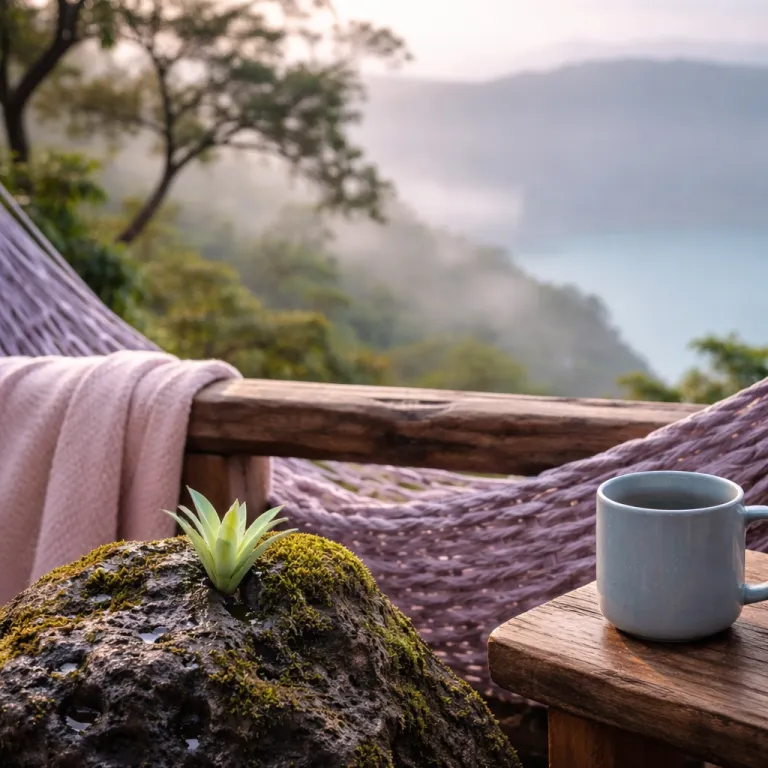
Why Nicaragua’s volcanic landscape hotels redefine luxury travel
Nicaragua is the rare country in Central America where luxury still feels exploratory. Couples who choose Nicaragua volcanic landscape hotels and eco-luxury lodges are not chasing another infinity pool; they are choosing a front row seat to geology in motion. This is the land of lakes and volcanoes, where a single vacation in Nicaragua can move from crater rim champagne to black sand sunsets on the Pacific coast.
Across this compact country, more than a dozen significant volcanoes shape both the skyline and the hospitality scene. Active peaks, dormant cones and crater lakes create a chain that runs from the island specks of Lake Nicaragua to the surfing coves of the Pacific coast, giving travelers a different definition of top tier stays. When you book carefully, the best hotel experiences here feel stitched directly into this volcanic land of lakes rather than perched beside it.
The Nicaraguan Institute of Tourism (INTUR) and a network of local eco lodges have spent years positioning Nicaragua as a serious eco tourism destination. Their focus on guided tours, small group experiences and conservation partnerships means that many luxury eco properties now sit within easy reach of major volcanoes and protected reserves such as Volcán Masaya National Park. According to INTUR’s official visitor reports, Masaya and Mombacho rank among the country’s most visited natural attractions, and park rules require visitors to stay on marked trails, follow ranger instructions and use licensed guides for higher risk activities such as night crater visits.
Official tourism data highlights Masaya Volcano, Mombacho Volcano and Lake Nicaragua as three of the country’s most visited volcanic attractions. That same institutional guidance stresses that it is safe to visit these areas with licensed guides and proper safety precautions, and national park websites publish current access hours, alert levels and any temporary closures. For couples weighing where to stay, this reassurance matters when choosing hotels that sit close to active craters yet still promise calm evenings and polished hospitality.
Laguna de Apoyo and Lake Nicaragua: crater lake calm over coastal crowds
Laguna de Apoyo sits quietly between Granada and Masaya, a near perfect volcanic crater filled with warm, mineral rich water. Here, Nicaragua’s volcano-view retreats trade pounding surf for a still, glassy surface that stays swimmable year round, making it ideal for couples who want to float rather than fight waves. The silence at night is broken only by howler monkeys in the surrounding forest, a very different soundtrack from the bars of any city.
On the crater rim above Apoyo, a handful of refined eco lodge properties offer wide terraces, plunge pools and long views across the land of lakes. These luxury eco stays lean into responsible tourism without sacrificing comfort, using solar power, local stone and native planting to keep the volcanic slopes intact. From your suite, you see both the circular form of the crater and, in the distance, the silhouettes of other volcanoes that define this part of Central America.
Just down the road, the city of Granada remains the most elegant colonial city in Nicaragua and a natural base for exploring Lake Nicaragua itself. From here, boat trips weave through the islets of the island lake, where places like Jicaro style eco retreats have pioneered low impact stays on tiny pieces of land. Typical boat tours last two to three hours and can be arranged through hotel concierges or licensed local operators who know the navigation rules and wildlife viewing guidelines for the lake.
Ometepe, the most famous island in Lake Nicaragua, rises dramatically with its twin volcanoes, Concepción and Maderas. Refined stays on this island balance rustic charm with thoughtful service, and they are ideal for travelers who want both lake views and volcano hikes in one place. Most visitors reach Ometepe via the public ferry from San Jorge, a crossing of roughly one hour that runs several times a day, and then use hotel-arranged transfers or taxis to reach their lodge. For a curated overview of where to stay here, the guide to refined stays on Ometepe Island is an essential planning tool.
Mombacho cloud forest and Masaya lava lake: where altitude meets fire
Mombacho Volcano rises just outside Granada, its upper slopes wrapped in cloud forest that feels a world away from the lowland heat. Luxury minded travelers staying in nearby volcanic landscape hotels or boutique inns in Granada can reach the reserve in under an hour by car, trading pool loungers for canopy walks and orchids beaded with mist. The shift in altitude changes everything: temperature, light and even the pace at which you move through the forest.
At the base of Mombacho Volcano, coffee farms and small eco lodge properties offer a different kind of immersion. Here, mornings begin with beans roasted from the same slopes you hiked the day before, and evenings end with views back toward Granada city and the broad sheet of Lake Nicaragua. Marked trails on Mombacho range from easy one hour loops to more demanding half day circuits, and park authorities recommend sturdy shoes, a light jacket and a local guide for the longer routes. For couples, this combination of sensory detail and proximity to the volcano makes the stay feel quietly theatrical rather than staged.
Masaya Volcano, by contrast, is all drama and fire. One of the few places in the Americas where you can safely peer into a persistently glowing lava lake after dark, it draws travelers who want their Central America trip to include at least one moment of pure awe. Night visits operate on a timed entry system managed by park rangers, with vehicles queuing at the gate and groups allowed only limited minutes at the rim for safety and air quality reasons. Hotels in Granada and along the road toward Masaya position you for the short night drive of about 30 to 40 minutes, letting you return to a calm room after the intensity of the crater rim.
On the Pacific coast, properties such as the oceanfront retreats near Morgan Rock show how Nicaragua can pair volcanic interiors with sea facing luxury. Guests often split their vacation in Nicaragua between a crater lake or cloud forest stay and a few nights in a refined coastal resort, using private transfers of two to three hours to keep logistics smooth. For a deeper look at high end coastal options that complement inland volcano stays, the review of luxury oceanfront stays on the Emerald Coast is a useful reference.
Cerro Negro, León and the Pacific: black sand, boarding and city culture
Northwest of Managua, the city of León anchors another cluster of Nicaragua volcanic landscape hotels with a very different mood. This is a university city, more bohemian than Granada, and it sits within easy reach of several volcanoes including the famous Cerro Negro. Couples who base themselves in the city of León can pair art filled mornings with late afternoon drives to black sand slopes and glowing horizons.
Cerro Negro is a young, active volcano built from loose black ash and rock, and it has become the home of volcano boarding in Nicaragua. Guided small group excursions drive up the flank, then kit guests out in protective suits for the fast slide down the steep black sand face. The hike to the top typically takes 45 to 60 minutes on a steady but exposed trail, and tour operators provide helmets, goggles and boards while asking guests to wear closed shoes and long sleeves. For many travelers, this single experience shifts their perception of what luxury adventure in Central America can mean, especially when followed by a calm evening in a polished hotel back in the city.
Several eco lodge style properties also sit closer to the volcanoes themselves, offering more direct views of the chain that runs along the Pacific coast. From these vantage points, you can see how the volcanoes rise in sequence, forming a spine that shapes both weather and agriculture. Stays here tend to emphasize eco tourism, with guided walks, bird watching and farm to table dining that uses produce grown on volcanic soils.
Farther south along the Pacific coast, retreats near Morgan Rock and other coves offer a softer, more secluded take on Nicaragua’s west facing beaches. Many couples now design a vacation in Nicaragua that begins with the cultural density of the city of León and its nearby volcanoes, then ends with a few quiet days by the ocean. This coastal finale works especially well after the intensity of Cerro Negro and other active peaks, giving you time to process the drama of the interior.
Planning a volcanic nature retreat: how to choose and combine stays
Designing an itinerary around Nicaragua volcanic landscape hotels starts with deciding how close you want to be to the action. Some couples prefer a hotel in Granada or León, using guided day trips to reach volcanoes and crater lakes, while others choose eco lodge stays on the slopes themselves. Both approaches work, but the second demands more comfort with remote locations, rougher access roads and fewer city style amenities.
For a balanced trip, consider three main bases: a crater lake such as Laguna de Apoyo or the island of Ometepe, a colonial city like Granada or the city of León, and a Pacific coast retreat. This triangle lets you experience lakes, volcanoes, cloud forests and ocean in a single vacation in Nicaragua without exhausting overland transfers. Typical drive times between these hubs range from one to three hours, and many high end operators now offer private drivers and small group excursions that stitch these regions together with minimal friction.
Families or multi generational groups looking at Nicaragua volcanic landscape hotels should pay close attention to access, safety and on site activities. Some properties are better suited to couples, while others have the space and programming to keep children engaged between volcano outings. National parks publish basic safety rules, such as age limits for certain trails or activities, and reputable hotels or tour desks can connect you with licensed guides who follow these standards. For a detailed look at which premium stays genuinely work for all ages, the guide to family friendly premium hotels in Nicaragua is a reliable benchmark.
Across the country, rising eco tourism, increased interest in adventure travel and growing conservation efforts are reshaping how hotels interact with their volcanic settings. The most compelling properties now work closely with local communities and conservation groups, ensuring that income from high end stays supports both ecosystems and nearby villages. When you choose these hotels, your time among Nicaragua’s volcanoes becomes part of a broader story of preservation rather than just another scenic backdrop, and official park donation schemes and community projects give you clear, verifiable ways to contribute.
FAQ
What are Nicaragua's top volcanic attractions for luxury travelers?
For travelers focused on comfort and access, Masaya Volcano, Mombacho Volcano and Lake Nicaragua stand out as the top volcanic attractions. Each sits within reach of refined hotels in Granada, León or along the Pacific coast, allowing you to pair dramatic landscapes with polished service. Crater lakes such as Laguna de Apoyo and the island of Ometepe on Lake Nicaragua add quieter, more contemplative volcanic experiences to the mix, and INTUR’s official destination pages highlight these sites as core stops on most premium itineraries.
Is it safe to visit Nicaragua's volcanoes while staying in high end hotels?
Visits to Nicaragua’s volcanoes are considered safe when arranged through licensed guides and reputable tour operators. Many Nicaragua volcanic landscape hotels work directly with vetted partners who provide transport, equipment and clear safety briefings for activities such as crater rim walks or volcano boarding. National park authorities at Masaya, Mombacho and Cerro Negro monitor volcanic activity and may temporarily restrict access during periods of increased gas emissions or seismic alerts, so checking official updates through your hotel or local tourism office before you go is essential.
What should I pack for a volcanic and crater lake itinerary in Nicaragua?
For a trip that combines crater lakes, cloud forests and active volcanoes, pack light clothing for the lowlands and a warmer layer for higher elevations. Sturdy hiking boots, insect repellent and a small daypack are essential for trails around Mombacho Volcano, Cerro Negro and the forests above Laguna de Apoyo. Many luxury eco lodges provide gear such as walking sticks or helmets, but it is wise to confirm this with your hotel before travel and to bring any personal medication, reef safe sunscreen and a reusable water bottle to comply with park rules on single use plastics.
Which activities are available in Nicaragua's cloud forests and volcanic reserves?
Cloud forests around Mombacho Volcano and similar reserves offer hiking, bird watching and canopy tours that suit both active couples and relaxed walkers. On the volcanic lowlands, guests can try volcano boarding on Cerro Negro, kayak on crater lakes or take guided night visits to Masaya’s lava lake viewpoint. Hotels with strong eco tourism programs usually coordinate these activities, ensuring that group sizes remain small and environmental impact stays low, and licensed guides are often required for specialized options such as technical summit routes or night wildlife walks.
How can I make my volcanic landscape stay more sustainable?
Choosing eco lodge or luxury eco properties that work with local communities is the most effective first step. Look for hotels that support conservation projects, limit water use and source food from nearby farms on volcanic soils. During your stay, stick to marked trails, respect guide instructions around active craters and favor small group excursions that reduce pressure on fragile volcanic environments. Many national parks and NGOs publish annual conservation reports and visitor guidelines, giving you transparent information on how your park fees and hotel partnerships contribute to long term protection of Nicaragua’s volcanoes.