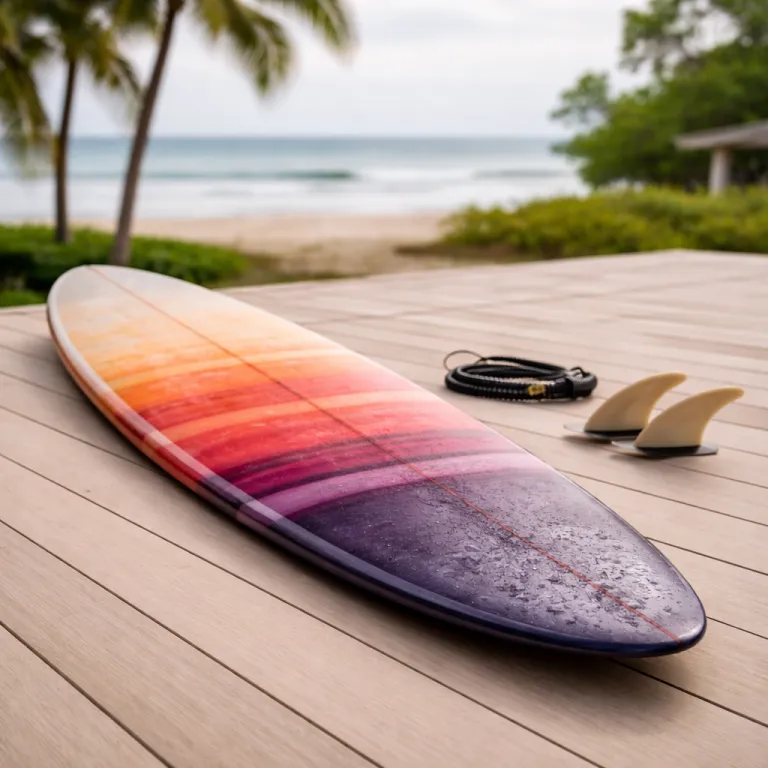
Rethinking the idea of a resort in Nicaragua for surf led trips
On Nicaragua’s Pacific coast, the word resort rarely matches what serious surfing travelers actually need. When your trip is really about the waves, the right base is defined by paddle out distance, board storage, and tide aware kitchens rather than buffet spreads. The properties that work best feel like compact luxury hotels built into the sand line, not distant compounds where the beach is a shuttle ride away.
This coast of Nicaragua sits in Central America’s trade wind corridor, with offshore winds grooming the surf for more than 300 days each year. LushPalm’s Nicaragua surf guide, drawing on regional wind data from sources such as Windy and Windguru, notes that these prevailing offshore breezes are unusually consistent compared with neighboring countries. That single fact shapes everything about how you should choose between the top surf resorts in Nicaragua, because it means long, workable sessions and a rhythm to the day that revolves around swell direction and tide charts. A good property will lean into that rhythm with early coffee, flexible breakfast, and staff who talk about sandbars as easily as they discuss wine lists.
Think of the best surf focused resort Nicaragua options as a spectrum that runs from eco lodge hideaways to fully serviced luxury hotels. At one end, you have intimate island ecolodge concepts on Lake Nicaragua or near Jicaro Island, where the focus is quiet water and paddleboards rather than heavy barrels. At the other, you find large scale destinations like Rancho Santana on the Emerald Coast, where five separate beaches and a full golf course sit inside one piece of real estate and surfing is only one of several serious pursuits.
Names like Mukul Resort, Morgan Rock, and Rancho Santana often appear together in conversations about luxury in Nicaragua. Yet each coastal retreat answers a different question for travelers who want to surf first and sip cocktails second, so treating them as interchangeable is a mistake. Before you book, decide whether your ideal stay is about a private beach with mellow peaks for the kids or about walking from your villa to a world class reef that turns on when the tide hits a narrow window.
Location on this coast matters more than room count or spa menus. A resort in Nicaragua that sits directly on Playa Manzanillo or near the breaks of San Juan del Sur will deliver a very different surfing experience from a hotel in Granada overlooking Lake Nicaragua, even if both call themselves luxury hotels. Use a map, trace the beach curves, and check how far your potential stay is from the nearest consistent surf break before you fall for the marketing language.
The surf stay framework: what actually matters more than the word resort
For a surf led trip in Nicaragua, start with proximity, not pillow menus. The most effective beach hotels and surf lodges put you within a short walk or quick paddle of the main peak, because every extra minute spent in a vehicle is a minute you are not surfing. When you evaluate any resort in Nicaragua, ask how many steps separate your room from the sand and whether you can hear the sets from your terrace at night.
Board logistics come next, and they separate the casual beach hotel from a true surf oriented stay. A serious surf resort in Nicaragua will have secure board storage, a shaded rinse area, and staff who understand why you care about wax temperatures and ding repair more than about themed entertainment at the beach club. If you are traveling with kids, check whether the property can store smaller boards safely and whether the path from room to beach is manageable for shorter legs carrying foamies.
Tide aware kitchens are the quiet luxury that many travelers overlook. When the best window for surfing at your chosen beach in Nicaragua is a mid morning high tide, you need a resort willing to serve breakfast late or pack it to go, not a rigid buffet that closes at nine. Ask directly whether the restaurant team can shift meal times around the surf schedule, because that flexibility will shape how much you actually enjoy your stay.
Instructor access is another pillar of the surf stay framework. Many resorts in Nicaragua partner with local surf instructors or with specialist outfits like TropicSurf, which can arrange guiding, coaching, and even boat trips to more remote breaks along the Emerald Coast. If you are new to surfing or traveling with kids who want to learn, prioritize a resort in Nicaragua where the surf school is integrated into the property rather than an afterthought booked through a third party kiosk.
Families should also look beyond the waves when choosing between the top resorts in Nicaragua. A property that works beautifully for a solo surfer might feel limiting for a partner or kids who are not in the water all day, so check for a real kids club, calm swimming areas, and non surfing activities like horseback rides or eco focused excursions to nearby island ecolodge projects. On the Caribbean side, for example, a refined stay on the Corn Islands can balance serious surf time on the Pacific with Caribbean serenity for the rest of the family, and guides to elegant stays on the Corn Islands in Nicaragua can help you plan that two coast combination.
Mukul, Morgan Rock and the Emerald Coast: when luxury meets serious waves
Along Nicaragua’s Emerald Coast, the conversation about a surf oriented resort Nicaragua usually starts with Mukul Resort. Set above a private bay with a protected private beach, Mukul combines high end villas, a serious spa, and access to consistent surf that suits both intermediates and more advanced riders. This is where the idea of luxury in Nicaragua meets the reality of dawn patrols and board racks built into the architecture.
Mukul works best for travelers who want full service comfort without losing the feeling of being close to the elements. The resort partners with experienced surf guides and can arrange sessions at nearby breaks along the Emerald Coast, while the on site team understands that a late lunch after a long day in the water is not a special request but the default. For many guests, the ability to move seamlessly from a heavy morning session to a quiet afternoon in the spa defines what luxury hotels should mean in Central America.
Just up the coast, Morgan Rock offers a different take on the surf resort idea. Here the focus leans more toward eco lodge aesthetics and forest framed villas, with surfing accessed via nearby beaches rather than directly in front of the property, which suits travelers who want to balance wave time with wildlife and privacy. The feel is more island ecolodge than classic resort, even though you are firmly on the mainland of Nicaragua and not on an island in Lake Nicaragua.
Both Mukul and Morgan Rock sit within a broader cluster of resorts in Nicaragua that treat surfing as one of several core activities. Golfers, for example, are drawn to the Guacalito de la Isla development near Mukul, where a full golf course rolls down toward the sea and non surfers can spend their day on the fairways while others chase sets. This mix of golf, surf, and spa makes the Emerald Coast a strong choice for couples or groups with different priorities who still want a single high end resort in Nicaragua as their base.
If you are weighing Mukul Resort or Morgan Rock against other luxury hotels in Latin America, remember that Nicaragua’s Pacific coast still feels less developed than many rival regions. That relative quiet means more empty peaks, more space on the beach, and a stronger sense that your stay is shaped by the ocean rather than by crowds, and a detailed guide to Nicaragua luxury resorts for refined escapes on coast, lake and island can help you compare these Emerald Coast options with inland retreats. For surf travelers who value both comfort and character, this stretch of Central America offers a rare balance.
Rancho Santana and Hacienda Iguana: surf at the door, comfort in the details
When the trip is unapologetically about surfing, Rancho Santana sits near the top of any resort Nicaragua shortlist. Spread across more than 1,000 hectares (about 2,470 acres) with five separate beaches, according to the property’s own land use figures and press materials, this coastal estate functions as a self contained village where you can surf multiple breaks without ever leaving the real estate. For many repeat visitors, that combination of variety and privacy is what keeps them returning to this corner of Nicaragua rather than chasing new stamps in their passport.
Rancho Santana’s beaches offer different personalities, from mellow rollers suitable for kids and longboards to punchier peaks that challenge confident shortboarders. The resort’s layout means you can wake up, check the flags, and choose your beach for the day based on wind, tide, and crowd levels, which is a luxury that few other resorts in Nicaragua can match. Off the water, the property delivers polished service, strong dining, and a level of comfort that rivals established luxury hotels elsewhere in Latin America.
Further north, Hacienda Iguana takes a more focused approach to the surf stay. This is the home of Playa Colorado, one of Nicaragua’s most famous beach breaks, and many travelers choose a hotel or villa inside the Hacienda Iguana development precisely because they want to stay as close as possible to that wave. Here, the resort in Nicaragua concept is less about formal amenities and more about the simple privilege of walking from your door to a world class sandbar in a few minutes.
Both Rancho Santana and Hacienda Iguana illustrate why proximity and wave quality should outrank almost every other factor when you choose between resorts in Nicaragua. A beautiful pool and a stylish beach club are pleasant, but they will not compensate for a long daily drive to reach the surf, especially when offshore winds mean the best conditions are often early. If you are traveling with kids or non surfing partners, Rancho Santana’s broader activity menu, including horseback riding and hiking, may tip the balance in its favor.
Costs vary significantly between these properties and more stripped back surf lodges along the coast. Maderas Village and Popoyo Surf Lodge, for example, often undercut Rancho Santana’s nightly rates while still offering strong access to quality waves, which makes them attractive for solo travelers who prioritize surfing over spa treatments. When you compare options, think in terms of cost per surfable hour rather than just room rate, because that metric better reflects the real value of a surf focused stay in Nicaragua.
Lake, islands and inland bases: when the surf trip needs a softer edge
Not every day on a surf trip to Nicaragua needs to be spent in the lineup. Many travelers now build itineraries that start with a week at a resort in Nicaragua on the Pacific, then shift inland to Granada or Lake Nicaragua for a slower pace and a different kind of water. This pattern works especially well for couples or solo travelers who want to balance intense surfing with culture, food, and quieter landscapes.
Granada, with its colonial streets and views toward Lake Nicaragua, offers a very different atmosphere from the Emerald Coast. Here, the best luxury hotels are often restored mansions with shaded courtyards, where the focus is on service, architecture, and access to the city’s restaurants rather than on a private beach or direct surfing access. For many surfers, a few nights in Granada at the end of a trip provide a welcome decompression before flying home.
From Granada, it is easy to arrange day trips onto Lake Nicaragua itself. Small island ecolodge properties near Jicaro Island offer an eco focused alternative to the Pacific resorts in Nicaragua, with kayaks replacing surfboards and bird calls standing in for the sound of breaking waves, which can be a restorative contrast after a week of early alarms and heavy paddling. These stays are not about surfing, but they round out a Nicaragua itinerary in a way that feels both luxurious and grounded.
Further south, the twin volcanoes rising from Lake Nicaragua frame the island of Ometepe, which has become a quiet favorite for travelers who like their luxury understated. Here, eco lodge style fincas and small scale retreats focus on farm to table food, hiking, and lake swims rather than on a formal resort in Nicaragua template, and a detailed guide to Ometepe’s quiet luxury fincas shows how 160 acres of tropical fruit and forest can feel as indulgent as any beachfront suite. For surfers, Ometepe works best as a mid trip pause or a gentle landing after the more intense Pacific sessions.
On the Caribbean side, the Corn Islands extend the idea of resorts in Nicaragua into a different sea entirely. While the surf here is less consistent than on the Pacific, the islands offer clear water, reef snorkeling, and a slower rhythm that many travelers appreciate after the more focused energy of a surf stay on the Emerald Coast. Combining a week of surfing with a few days on the Corn Islands turns a single focus trip into a broader exploration of Nicaragua as part of Latin America’s still under appreciated luxury circuit.
Practical booking intelligence: seasons, transfers, kids and the underrated details
Timing your surf focused stay at a resort in Nicaragua is as important as choosing the right property. The main surf season on the Pacific runs from March to September, when larger and more consistent swells hit the coast and the offshore winds that Nicaragua is known for do their best grooming work. Shoulder months can still deliver excellent surfing with fewer people on the beach, but you should align your expectations with the season.
Different breaks along the coast favor different times within that broader window. Maderas near San Juan del Sur tends to be more forgiving and can work well for beginners and kids, while Popoyo and Playa Colorado near Hacienda Iguana often light up for intermediate and advanced surfers when the swell has more size, which is why many serious travelers plan their resort Nicaragua bookings around those specific waves. A good hotel will be honest about what to expect at your chosen beach during your dates rather than over promising.
Airport transfers are the single most underweighted detail in many surf trip plans. After a long flight into Managua or Liberia, the last thing you want is to negotiate ad hoc transport with boards in tow, so prioritize resorts in Nicaragua that offer reliable, pre arranged transfers with vehicles that can handle surfboard bags. As a rough guide, the drive from Managua International Airport to the Emerald Coast area around Mukul, Rancho Santana, and Hacienda Iguana typically takes about 2.5 to 3 hours in normal traffic, while transfers to San Juan del Sur usually run 2 to 2.5 hours, according to regional transfer operators and resort concierge teams. This is especially important if you are traveling with kids, because a smooth arrival sets the tone for the entire stay and makes the first day feel like part of the holiday rather than a logistical hurdle.
Families should also look closely at how each resort in Nicaragua handles non surfing time. Properties like Rancho Santana, Mukul Resort, and some of the more developed beach club communities near San Juan del Sur offer kids pools, supervised activities, and easy access to calm water, which keeps younger travelers happy while adults rotate through surfing sessions. In contrast, more stripped back eco lodge stays might appeal to solo surfers but feel sparse for a family that needs structure and variety.
Finally, remember that Nicaragua sits within a broader Central America and Latin America surf map. If you are comparing a resort in Nicaragua with options in Costa Rica or El Salvador, weigh not just the headline luxury but also the crowd factor, the consistency of the surf, and the character of the surrounding communities. Many experienced travelers find that Nicaragua’s mix of strong waves, evolving luxury hotels, and relatively low density in the lineup makes it one of the top value propositions for a surf led trip anywhere in the region.
Key figures for surf focused resorts in Nicaragua
- Offshore winds shape the Pacific coast of Nicaragua for more than 300 days per year, creating unusually consistent grooming for surf compared with many other regions in Central America (source: LushPalm, data referenced in specialist surf travel coverage and regional wind analyses from platforms such as Windy and Windguru).
- The main surf season for a resort in Nicaragua runs from March to September, when larger and more regular swells arrive from the Southern Hemisphere and align with those prevailing offshore winds for extended daily windows.
- Eco friendly surf properties such as Malibu Popoyo sit within reach of around 10 world class waves, giving guests a dense cluster of options without long daily drives (source: A Wave Travel, as reported in surf resort profiles and regional break maps).
- Large scale destinations like Rancho Santana span more than 1,000 hectares and include five separate beaches, which is significantly more internal coastline than most comparable luxury hotels in Latin America can offer within a single piece of real estate (source: Rancho Santana property overview and land use documentation).
- Many surf oriented resorts in Nicaragua now combine direct beach access with partnerships with local surf instructors, ensuring that both beginners and advanced surfers can find appropriate breaks and guidance during a typical seven to ten day stay.
Frequently asked questions about surf oriented resorts in Nicaragua
What is the best time to surf in Nicaragua ?
What is the best time to surf in Nicaragua? The most reliable window for larger and more consistent swells runs from March to September, when Southern Hemisphere storms send regular energy toward the Pacific coast. Outside those months you can still find good waves, but conditions tend to be less predictable and often smaller.
Are there surf spots suitable for beginners near luxury resorts ?
Are there surf spots suitable for beginners? Yes, many resorts in Nicaragua sit near beaches with gentle, rolling waves that work well for first timers and kids, such as Playa Maderas near San Juan del Sur. Properties often partner with local surf schools so that guests can book lessons directly through the hotel and progress safely.
Do surf resorts in Nicaragua offer equipment rentals ?
Do these resorts offer equipment rentals? Most surf oriented properties provide a range of surfboard rentals, from soft tops for beginners to performance shortboards for advanced guests, and some also stock bodyboards and stand up paddleboards. If you are particular about your equipment, confirm the available quiver with the resort in Nicaragua before you travel.
How eco friendly are Nicaragua’s surf resorts ?
Eco friendly surf resorts are increasingly common along the Pacific coast of Nicaragua, with many properties using solar power, water treatment systems, and locally sourced materials in their construction. When you compare resorts in Nicaragua, look for clear information about waste management, community employment, and conservation projects rather than vague green language.
What should I prepare before booking a surf trip to Nicaragua ?
Before booking a surf focused stay at a resort in Nicaragua, check current visa requirements for your nationality, consider comprehensive travel insurance that covers surfing, and decide whether to bring your own boards or rely on rentals. Packing appropriate surf gear, including reef safe sunscreen and a repair kit, will help you make the most of the consistent conditions once you arrive.
Expert references
- LushPalm – in depth profiles of Nicaraguan surf resorts and offshore wind data.
- A Wave Travel – specialist information on eco friendly surf resorts such as Malibu Popoyo.
- GlideSurf Travel – curated selection of high end surf properties including Mukul Resort and Rancho Santana.