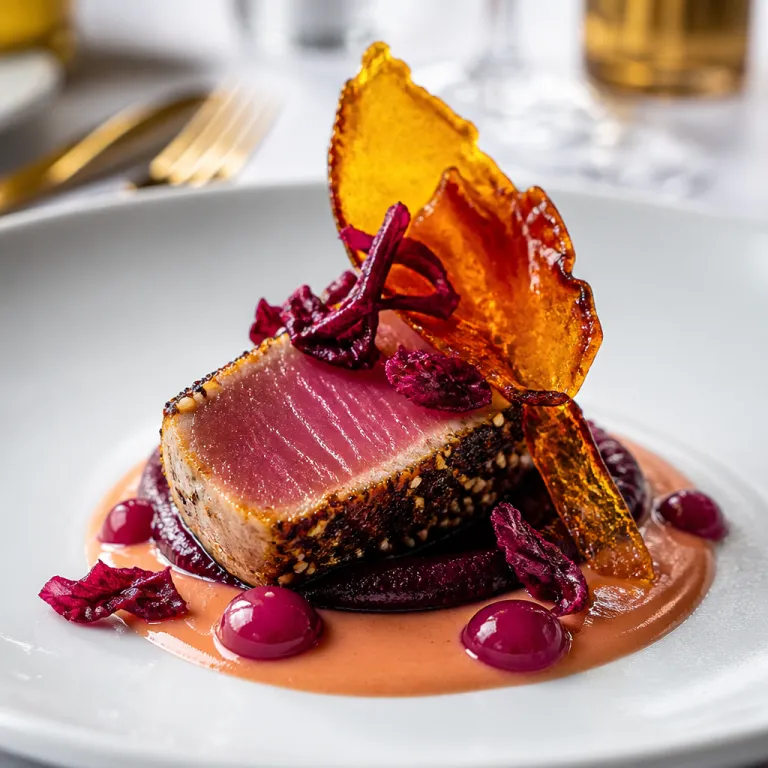
How luxury travelers can approach restaurants in Nicaragua
Planning a high end stay in Nicaragua starts with understanding how the country’s dining scene shapes your overall journey. Luxury travelers who care about food and travel quickly realize that the capital city of Managua, the colonial streets of Granada, and the Pacific coast around San Juan del Sur each offer a distinct culinary rhythm. In every city, the right table can turn a simple meal into a curated experience that matches the standards of a premium hotel stay.
In Managua, the capital concentrates many of the best restaurants in Nicaragua, which makes it a strategic base for travelers who want variety and convenience. Upscale hotel concierges in the city usually maintain a short list of the country’s standout addresses, from refined Nicaraguan food specialists to international fine dining rooms with skyline views. When you book a luxury property, ask the concierge for a personalized guide to nearby restaurants, cafes, and any hidden spot that aligns with your tastes and schedule, including typical taxi times and whether reservations are essential.
Granada offers a different pace, where every cobbled main street seems to lead to a cafe, a leafy courtyard, or a small restaurant serving traditional Nicaraguan dishes. Many travelers choose to eat Granada style, grazing through several places in a single evening, pairing a cafe bistro for aperitivo with a more formal dining room for a longer meal. One frequent guest at a boutique hotel near Parque Central described it as “tapas by instinct,” moving from a garden cafe for coffee to a rancho style grill for steak, which makes it easy to compare rustic plates with contemporary interpretations created by chefs who trained across Central America.
Farm to table dining experiences aligned with luxury hotels
For travelers booking premium hotels, one of the most rewarding ways to engage with restaurants in Nicaragua is through farm to table dining. In Granada, for example, some kitchens work closely with nearby farms to bring seasonal produce, local cheeses, and responsibly sourced meats to the plate in a refined yet unpretentious setting. A typical farm driven dinner in the historic center might cost between US$18 and US$35 per person for a starter, main course, and dessert, which aligns well with the expectations of guests staying in luxury hotels that emphasize sustainability and a strong sense of place.
Many high end properties now highlight their partnerships with producers and trusted eateries, which helps guests understand who actually grows what they eat. When a hotel recommends a specific restaurant in Granada or Managua, ask whether the chef leans on traditional Nicaraguan recipes, modern techniques, or a blend of both, and how often the menu changes with the harvest. To go deeper into this topic, some travelers consult specialized analyses of farm to hotel table practices in Nicaragua’s luxury properties before finalizing their bookings, paying attention to whether restaurants publish sample menus, supplier lists, or seasonal tasting notes.
Across the country, the best venues for farm focused dining experiences tend to be small enough for the chef to know each supplier personally. This intimacy creates a different kind of meal, where the story of the food becomes part of the pleasure of eating, especially when paired with a calm garden cafe or forest cafe setting. One Managua based chef explained that he calls his vegetable grower every morning before service, a level of contact that appeals to guests who value authenticity and choose hotels that collaborate with such restaurants in Nicaragua so that every meal, from breakfast to late night snacks, reflects the country’s landscapes and seasons.
From Managua to San Juan del Sur: mapping gourmet routes
Designing a luxury itinerary around restaurants in Nicaragua works best when you think in routes rather than isolated meals. Many travelers start in Managua, move on to Granada, then continue south to San Juan del Sur, creating a triangle that showcases the country’s most diverse dining scenes. Each city offers its own mix of restaurants, cafes, and casual spots, and the right sequence can turn your travel days into a continuous dining experience.
In Managua, you will find polished dining rooms that cater to business travelers and embassy staff, often located near major hotels and shopping districts. These venues usually offer reliable Nicaraguan food alongside international dishes, making them a safe first stop after a long flight into the capital. As you move toward Granada, the atmosphere softens, and you can eat Granada style on or near the main street, where a great place like Restaurante El Zaguán on Calle La Calzada or a relaxed cafe bistro introduces you to grilled meats, fresh vegetables, and traditional sides; most dining rooms in this area open daily from late morning until around 10:00 p.m.
Continuing south, San Juan del Sur shifts the focus toward seafood and sunset views, with many restaurants lining the bay and nearby hills. Luxury travelers often consult detailed guides to San Juan del Sur dining, from beach grills to the town’s more refined restaurants, before choosing where to stay. In this coastal city, some of the best restaurants in Nicaragua for ocean views sit a short walk from high end hotels, and a typical dinner of fresh fish, ceviche, and cocktails can range from US$20 to US$40 per person, turning every evening into a relaxed yet polished dining experience.
Signature spots: where hotel guests actually love to eat
When luxury travelers talk about their favorite restaurants in Nicaragua, certain names appear again and again. In Granada, Restaurante El Zaguán stands out as a great place for grilled meats and hearty Nicaraguan food, especially for guests staying in nearby premium hotels who want to eat Granada style without sacrificing comfort. Located just off the main street on Calle La Calzada, a short walk from Parque Central, it typically opens for lunch and dinner and offers generous plates of steak, chicken, and local sides in the US$10 to US$25 range, which makes it a convenient spot for combining a stroll through the city with a long, relaxed dinner.
Another favorite in Granada is The Garden Café, a calm oasis where travelers can enjoy a lighter meal, good coffee, and a leafy view that feels worlds away from busy traffic. Situated on Calle La Libertad, a few minutes’ walk from many boutique hotels, it usually serves breakfast, lunch, and early dinner, with sandwiches, salads, and vegetarian friendly dishes often priced between US$6 and US$14. Many hotel concierges recommend this garden cafe as a great spot for brunch or a late afternoon pause, and one regular guest described it as “the place where time slows down just enough to plan the rest of your day.”
Across Nicaragua, chains like Tip Top and RostiPollos also play a role in the dining landscape, even for higher end travelers. Tip Top, with dozens of locations nationwide according to the company’s own materials, offers consistent chicken focused food that can be reassuring on long travel days between cities, with combo meals often under US$10. RostiPollos, which operates in several Central American countries, serves dishes influenced by Nicaraguan food traditions and provides a quick, casual alternative when you do not have time for a full restaurant experience, especially near bus terminals and shopping centers where hotel transfers are easy to arrange.
Immersive settings: from forest cafes to city views
For many guests booking luxury hotels, the setting of restaurants in Nicaragua matters as much as the menu. A carefully chosen view, whether over a colonial plaza in Granada or the skyline of Managua, can elevate a simple meal into a memorable dining experience. This is why many premium properties highlight nearby restaurants with terraces, courtyards, or garden spaces when presenting their food and travel recommendations.
Some of the most atmospheric places to eat are those that feel integrated into nature, such as a forest cafe concept or venues inspired by projects like Gaia Forest. In these settings, guests can enjoy Nicaraguan food surrounded by trees, birdsong, and cooler air, which contrasts beautifully with the heat of the city. One Managua concierge described a favorite forest style cafe on the outskirts of the capital as “the place I send guests when they need to breathe, not just eat,” noting that the 20 to 30 minute drive from major hotels is part of the ritual and a welcome counterpoint to formal hotel dining rooms during longer stays.
Urban restaurants in Managua and Granada, by contrast, tend to emphasize design, lighting, and service to create a sense of occasion. A rooftop restaurant in the capital might pair a refined menu with a sweeping view, while a cafe bistro on a quiet main street in Granada offers intimacy and charm. When evaluating hotels, consider how easily you can reach these varied spots, because proximity to both nature inspired cafes and polished city restaurants significantly enriches your overall travel experience and helps you balance relaxed lunches with more elaborate dinners.
How luxury booking sites curate and present restaurants in Nicaragua
High end hotel booking platforms increasingly understand that serious travelers judge a property by its access to the best restaurants in Nicaragua. Instead of listing only room types and pools, the most thoughtful sites now include a concise guide to nearby restaurants, cafes, and bars, often highlighting at least one traditional Nicaraguan option and one contemporary dining experience. This approach respects the fact that food and travel are inseparable for many guests.
On refined booking sites, you may find curated maps that show how close a hotel sits to key spots like The Garden Café, Restaurante El Zaguán, or a recommended rancho style grill on the edge of Granada. Some platforms also explain whether a property collaborates with farm to table partners or whether it can arrange transfers to a forest cafe or Gaia Forest inspired retreat outside the city. These details help you compare hotels not only by room category but by the quality of the surrounding restaurants in Nicaragua, and some sites now include short chef profiles or sample menus to make the comparison easier.
Responsible platforms are transparent about any affiliate links they use when recommending a restaurant or a hotel, which helps maintain trust with discerning guests. When a site clearly labels affiliate links and still offers balanced commentary on both Nicaraguan food institutions and newer openings, you can rely more confidently on its guide. For a deeper look at how design and sense of place intersect with dining, some travelers consult analyses of how Nicaraguan hotels preserve local character instead of becoming beige clones before choosing where to stay and eat, often favoring properties that showcase local art, regional ingredients, and neighborhood restaurant partnerships.
Key statistics for luxury dining and restaurants in Nicaragua
- Tip Top operates numerous locations across Nicaragua, giving travelers a widely available, consistent chicken focused restaurant option during multi city itineraries (based on information published by the company and local directories).
- RostiPollos, founded in Central America, maintains branches in both Costa Rica and Nicaragua, which helps frequent regional travelers recognize a familiar restaurant brand when crossing borders.
- Farm to table concepts in cities such as Granada illustrate a broader national trend toward sustainable dining, where chefs rely on local ingredients and traditional recipes to enhance the experience for hotel guests.
- In many mid to high end restaurants in Nicaragua, a 10 percent tip is customary, which travelers should factor into their dining budgets when planning extended stays in Managua, Granada, or San Juan del Sur.
FAQ about restaurants in Nicaragua for luxury hotel guests
Are vegetarian options easy to find in Nicaraguan restaurants near luxury hotels ?
Yes, many restaurants in Nicaragua, especially in Managua, Granada, and San Juan del Sur, offer vegetarian dishes alongside traditional Nicaraguan food. Upscale hotel concierges can usually point you toward a cafe bistro, garden cafe, or restaurant where plant based options are clearly marked. Farm to table venues also tend to highlight seasonal vegetables, making them a strong choice for vegetarian travelers.
What traditional Nicaraguan dishes should luxury travelers try first ?
Gallo pinto, a rice and beans dish, is a popular staple in Nicaraguan restaurants and appears at breakfast in many hotels. Other traditional specialties include grilled meats served with plantains, fresh cheese, and tortillas, which you can find at rancho style restaurants and more refined city venues. In Granada and San Juan del Sur, ask for house interpretations of these classics to compare how different chefs approach the same Nicaraguan food foundations.
Is tipping expected in high end restaurants in Nicaragua ?
Yes, a 10 percent tip is customary in Nicaraguan restaurants, including those frequented by guests from luxury hotels. Some restaurants in Managua and Granada may include a service charge on the bill, so check the details before adding an additional amount. When service has been exceptional, many travelers choose to leave a slightly higher tip to recognize the team’s effort.
Should I reserve in advance for the best restaurants in Managua and Granada ?
Reserve in advance for popular spots, especially on weekends and holidays, because the best restaurants in Nicaragua fill quickly with both locals and visitors. This is particularly true for well known places like Restaurante El Zaguán or The Garden Café in Granada, and for fine dining venues in the capital. Your hotel concierge can usually secure a table and arrange transport, which simplifies the overall dining experience.
How can I balance casual and fine dining during a luxury stay ?
Many travelers mix formal dinners at high end restaurants in Nicaragua with relaxed meals at cafes, rancho grills, or chains like Tip Top and RostiPollos. This combination allows you to sample both traditional Nicaraguan flavors and more experimental cuisine without overwhelming your schedule or budget. Use your hotel’s restaurant guide to alternate between a long, elaborate dining experience one night and a quick, casual spot with a good view the next.