Why a Nicaragua cooking class becomes a family’s most vivid memory
A Nicaragua cooking class that families remember for years starts long before anyone touches a knife. In a well run luxury hotel the concierge quietly aligns drivers, child friendly guides and kitchen teams so your Nicaraguan cooking session feels effortless yet deeply local. For parents used to polished resort buffets, stepping into a warm courtyard kitchen with a wood fire and a basket of fresh ingredients can feel like the moment the trip finally slows down.
Families who value comfort want this culinary adventure without sacrificing soft sheets or a calm pool. In Nicaragua that balance is possible because many premium properties now treat traditional Nicaraguan cuisine as a core part of the stay, not a themed night. When you book a hotel in León, Granada or the coastal enclave of Los Robles, ask explicitly how their cooking classes integrate with the surrounding city and countryside rather than staying inside a generic demonstration room.
Serious travelers also care about language, timing and logistics. Most high end partners work in both English and Spanish, and workshops usually run two to four hours, which suits children’s attention spans. Organizers consistently remind guests to “Check workshop schedules in advance,” “Wear comfortable clothing,” and “Be prepared for hands-on activities,” so you can plan the rest of your travel day around naps, swims and sunset rum cocktails without stress.
León Central Market: the class before the class
León city is where a Nicaragua cooking class for families often begins, because the Central Market functions as a living textbook. A guided tour through this central maze of fruit stalls, fritanga grills and juice counters lets children see Nicaraguan food as something grown and traded, not just plated. For luxury travelers staying in a refined hotel near colonial León, this short walk into the local market is the most efficient way to understand what will later appear in the pan.
Trusted operators such as The Original Tours and Mono Loco Adventures run market visits that double as gentle cultural immersion. Over one to three hours your guide explains how Central American staples like plantain, cacao and corn shape both everyday meals and festive dishes, while kids taste tropical fruits they have never seen at home. León Central Market food tours typically include several stops for traditional drinks, sweets and street snacks, which keeps younger travelers engaged and well fed before any formal cooking classes begin.
From a booking perspective, choose a hotel that understands families and can coordinate these experiences rather than leaving you to negotiate alone. Our curated list of family friendly luxury hotels in Nicaragua highlights properties where concierges know which class local partners are patient with children and which tours suit strollers or grandparents. When your Nicaraguan culinary guide already knows your kids’ ages and any allergies, the transition from city sightseeing to hands on cooking feels seamless.
From market to stove: hands-on cooking classes that work for children
Once the market smells and sounds are familiar, a Nicaragua cooking class with kids becomes less abstract and more like play. In León and Matagalpa, operators such as Tastefully Nicaragua, Matagalpa Tours and Mono Loco Adventures invite guests into local kitchens where grandmothers, not celebrity chefs, lead the way. Workshops typically last between two to four hours, and “Do I need prior cooking experience?” is answered simply with “No, workshops are designed for all skill levels,” which reassures hesitant parents.
Expect to learn how Nicaraguan cooking relies on corn, beans and seasonal vegetables rather than heavy sauces. Children might mash pico gallo in a stone mortar, press tortillas by hand or help wrap yuca and chicharrón in a banana leaf for a rustic vigorón, while adults handle the hotter pans over the wood fire. Many classes weave in a short tour of a nearby local market so families can compare the polished hotel breakfast buffet with the raw ingredients that shape Central American daily life.
For premium travelers, the key is matching the class format to your group’s rhythm. Some hotels near Granada or in Los Robles arrange private cooking classes on property, pairing a Nicaraguan menu with a tasting of Flor de Caña rum for adults once the knives are down. Others partner with Pachavega School of Holistic Wellness for plant based interpretations of traditional dishes, which suits families who want a lighter Nicaragua culinary focus without losing the sense of place. You can review how these collaborations fit into broader amenities in our guide to family focused luxury hotel services.
Cacao, chocolate and the magic of cooking with fire
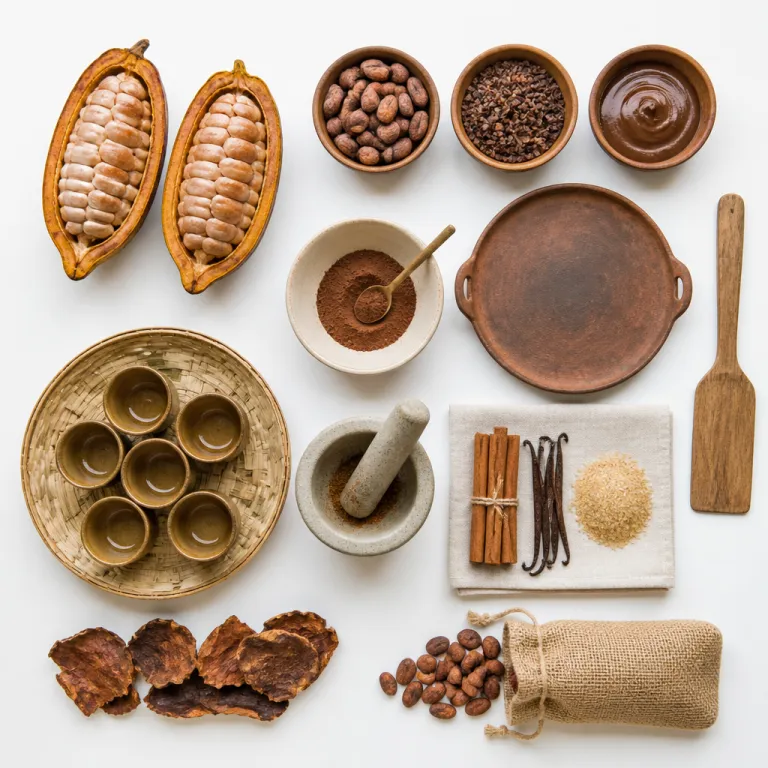
Chocolate obsessed children often anchor their Nicaragua cooking class memories not in a savory dish but in cacao. Across Central America, Nicaragua stands out for its cacao heritage, and workshops by Amaru Nicaragua or El Pital Chocolate Paradise on Ometepe Island turn that history into something tactile. Guided tours of cacao farms and interactive chocolate making processes let kids crack pods, taste raw beans and grind nibs by hand before the mixture ever meets sugar.
These cacao sessions usually last a few focused hours, which pairs well with a relaxed afternoon by the hotel pool or a gentle city tour in Granada or León. Families will learn how traditional Nicaraguan cuisine uses cacao in drinks as much as in sweets, stirring ground beans with spices into water rather than milk, and older children can compare this with the chocolate bars they know from home. Many workshops are run in both English and Spanish, so explanations about fermentation, roasting and tempering stay clear even for younger participants.
The fire itself becomes a character in these experiences. Cooking over wood, whether for tortillas, güirilas or cacao drinks, creates flavors no induction hob can match and gives children a safe, supervised sense of adventure. On the Pacific side, properties such as Eden on the Chocolata, profiled in our review of a Pacific coast retreat with strong culinary credentials, show how a hotel can integrate open flame cooking into a wider wellness stay. When a family watches their dinner emerge from a wood fired comal after spending the morning learning about cacao, the Nicaragua culinary story suddenly feels complete.
Ranches, farms and building a two day family culinary itinerary
Beyond the cities, Nicaragua cooking class itineraries for families reach their peak on working farms and coastal ranches. Farm to table pioneers such as Selva Negra in the highlands or Morgan’s Rock on the Pacific coast invite guests into their gardens, coffee groves and outdoor kitchens, turning Nicaraguan cooking into a collaborative project. Growing interest in farm-to-table experiences, increased demand for authentic cultural tourism and rising popularity of artisanal chocolate all converge here, where children can pick herbs in the morning and taste them on grilled fish by evening.
A well paced two or three day itinerary might start in León city with a Central Market tour and an afternoon workshop focused on traditional dishes. The next day your family could transfer to Granada, stopping near Mombacho volcano for a short walk and a rustic lunch that highlights Central American staples cooked over wood, then settle into a hotel that offers its own culinary demonstrations. On the final day, a visit to a cacao farm or a ranch style property in Los Robles allows everyone to apply what they will learn about fresh ingredients, from pico gallo to banana leaf wrapped tamales, in a quieter rural setting.
Luxury travelers sometimes worry that these experiences will feel too rustic for younger children or older relatives. In practice, high end operators such as Tastefully Nicaragua and Matagalpa Tours work closely with local farmers, culinary experts and cultural organizations to adjust the pace, shade and seating to each group. Many cacao producers in Nicaragua now welcome visitors into small-scale workshops designed for travelers, which means the infrastructure for comfort increasingly matches the ambition for authentic food immersion.
Practical booking tips for premium families planning culinary travel
Planning a Nicaragua cooking class focused family trip through a luxury lens means treating these workshops like you would a spa appointment or a private tour. Start by asking your preferred hotel how they integrate Nicaraguan cooking into their broader activity program, and whether they partner with organizers such as Tastefully Nicaragua, Pachavega School of Holistic Wellness, The Original Tours, Matagalpa Tours, Mono Loco Adventures or Amaru Nicaragua. In peak seasons, especially around Christmas, Easter and July–August, the best slots now book out well in advance.
When comparing options, look at more than just the menu. Ask if the class includes a visit to a local market, whether the chef speaks English and Spanish fluently, and how they handle dietary preferences within traditional dishes. Clarify whether children will learn specific tasks, such as shaping tortillas, mixing pico gallo or wrapping banana leaf parcels, so they feel genuinely involved rather than watching from a corner while adults handle all the cooking.
Finally, consider how these experiences fit into your wider Central America travel route. A family might pair León and Granada with a few nights on the Pacific coast, using a property like Morgan’s Rock as a base for both beach time and deeper culinary exploration. “What should I bring to the workshop?” is answered simply in the organizers’ own guidance: “Bring enthusiasm and a willingness to learn; materials are provided,” and that ethos suits luxury travelers too. You bring the curiosity, the hotel and its class local partners handle the rest, from fresh ingredients to the final sip of Flor de Caña rum once the children are asleep.
FAQ
How long do family friendly cooking workshops in Nicaragua usually last ?
Most Nicaragua cooking class sessions for families are designed to run between two and four hours, which suits children’s attention spans. Shorter classes often focus on one or two dishes, such as tortillas and pico gallo, while longer workshops may add a local market visit or a cacao component. Luxury hotels can often arrange private versions with flexible duration if your group needs more breaks.
Do we need prior cooking experience to enjoy these classes ?
No previous kitchen skills are required for Nicaraguan cooking workshops, and many families use them as a first real introduction to cooking together. Instructors are used to mixed ability groups and assign age appropriate tasks, from stirring sauces to wrapping banana leaf parcels. The emphasis stays on cultural connection and tasting regional cuisine rather than on technical perfection.
Are Nicaraguan culinary workshops suitable for young children ?
Many organizers explicitly welcome children and adapt the experience for safety and engagement. Tasks for younger participants usually involve washing vegetables, mixing ingredients or shaping dough, while adults manage the hotter parts of the wood fire. When booking through a hotel, share your children’s ages so the local team can prepare stations and timing that keep everyone comfortable.
How should we choose between city, cacao and farm based experiences ?
City based classes in León or Granada work well if you prefer to stay close to your hotel and combine cooking with sightseeing. Cacao workshops suit families with a sweet tooth and an interest in how chocolate moves from bean to bar, while farm stays at places like Selva Negra or Morgan’s Rock offer the most immersive Nicaragua culinary context. Many premium itineraries weave all three formats across several days so children see how Central American food culture connects markets, kitchens and fields.
What is the best way to book these experiences in advance ?
The most seamless option for premium travelers is to reserve through your chosen hotel, which can coordinate with trusted partners and align transport, timing and language needs. If you prefer to handle arrangements yourself, contact organizers such as Tastefully Nicaragua, The Original Tours, Matagalpa Tours, Mono Loco Adventures, Pachavega School of Holistic Wellness or Amaru Nicaragua directly via their official websites. In both cases, confirming dates and group details early ensures your Nicaragua cooking class plans fit smoothly around the rest of your trip.
References
Nicaraguan Ministry of Agriculture; Nicaraguan Tourism Board; official websites of Tastefully Nicaragua, Matagalpa Tours, Amaru Nicaragua.