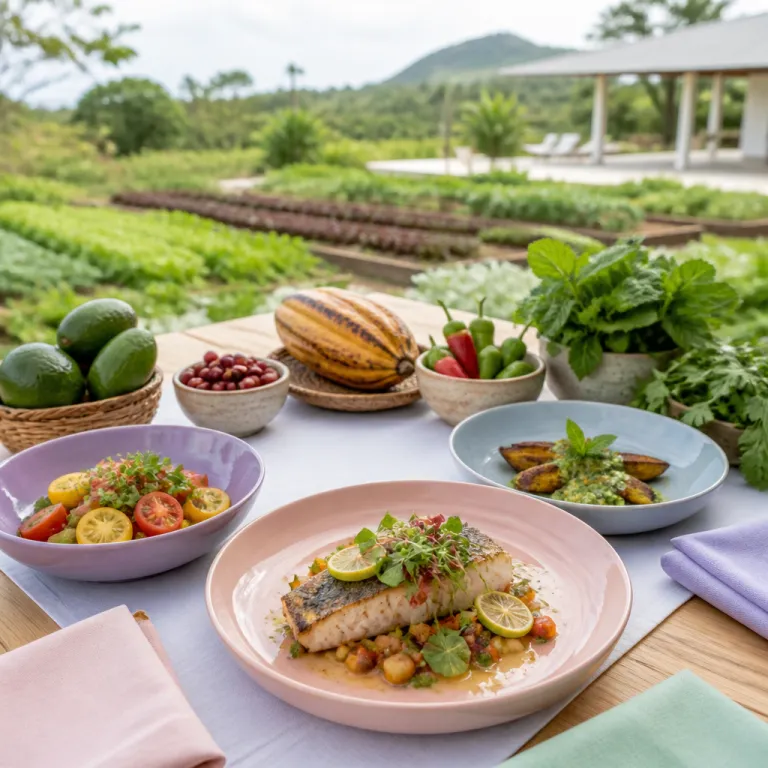
How farm to table Nicaragua luxury hotel dining really works
Farm to table Nicaragua luxury hotel dining sounds effortless, yet the reality is layered. In a country where more than half the population still works the land, the farm table concept is not a marketing flourish but a daily negotiation with weather, roads, and harvest cycles. For families choosing a premium destination in Central America, understanding who actually grows the ingredients on the plate turns every breakfast, lunch, and dinner into a more honest dining experience.
Across Nicaragua, luxury properties fall into three clear camps ; some run their own farm, others buy from local markets, and a few still import a surprising share of their ingredients. When a restaurant or bar claims to serve fresh, local ingredients, ask whether the tomatoes, herbs, and eggs come from an on site rancho or from a wholesale truck that has crossed half the country. The answer shapes not only the flavor of your meals but also how much your stay supports the surrounding community.
Resorts such as Rancho Santana on the Pacific coast, Morgan's Rock near San Juan del Sur, Ocean Ranch, TreeCasa Hotel & Resort, and Selva Negra in the highlands have each built their own version of farm to table Nicaragua luxury hotel dining. Some maintain greenhouses, irrigation systems, and composting stations behind the guest house, while others lean on long term relationships with nearby cooperatives. When you book, look for clear explanations of where breakfast lunch staples, lunch dinner specials, and signature Nicaraguan dishes are sourced, rather than vague promises of delicious local food.
Highland haciendas and the taste of altitude
Head into the Matagalpa highlands and the farm to table Nicaragua luxury hotel dining story becomes intensely agricultural. Selva Negra Ecolodge sits inside a working farm where coffee, cacao, vegetables, and dairy are produced within walking distance of the restaurant, giving families a front row view of the full table concept. Here, the cool air and misty view over the lake make a simple breakfast of eggs, gallo pinto, and farm fresh cheese feel quietly luxurious.
Selva Negra’s team is explicit about its model ; “Selva Negra Ecolodge operates a farm-to-table restaurant.” That means the same workers tending coffee bushes and vegetable plots are part of the wider community that benefits when you order another round of hot chocolate or a second lunch of güirilas with cuajada. Children can join a guided tour of the farm to see how local ingredients move from soil to kitchen, turning a standard dining experience into an informal lesson in Central America’s rural economy.
Families starting their trip in Granada often pair a night in the city with a few days in the highlands, using a curated guide such as this restaurant by restaurant map of Granada’s most honest tables to compare urban and rural meals. In town, a restaurant may rely on daily deliveries from surrounding farms, while in Matagalpa the farm table sits just beyond the dining room. Expect coffee at a highland house to taste denser and more aromatic than the cup you drink at a lowland beach bar, because the beans have been grown, processed, and brewed within a tight radius.
Pacific coast ranchos, beach bars, and real local sourcing
Along the Pacific, farm to table Nicaragua luxury hotel dining meets surf culture, but not the hostel hammock version. Rancho Santana spreads across roughly 1 100 hectares of rolling hills and beach, with organic gardens and a working rancho feeding several restaurants and a relaxed beach bar. Families can move from a poolside breakfast to a sunset dinner knowing that salads, herbs, and many dairy products have travelled only a few hundred metres.
Further north near San Juan del Sur, Morgan's Rock operates on a vast private reserve where around sixty percent of the food served is sourced on site, according to the lodge’s own data. Cows, chickens, and vegetable plots sit behind the main house, so children can see the farm before tasting the fresh milk or eggs at breakfast lunch service. Ocean Ranch and TreeCasa Hotel & Resort follow similar patterns, using organic gardens to supply their restaurant kitchens and bars with herbs, greens, and seasonal fruit for juices and cocktails.
For families comparing coastal properties, a practical step is to read a focused guide such as this piece on San Juan del Sur plate by plate, then cross check how each resort describes its sourcing. Ask whether the beach bar ceviche uses fish from nearby boats and whether the grilled meats at lunch dinner come from a named local farm or cooperative. On the Pacific, the most delicious meals usually appear where the chef can point to the exact rancho, fishing village, or hillside where each ingredient began its journey.
From cacao pod to dessert plate, and coffee from farm to cup
Chocolate and coffee are where farm to table Nicaragua luxury hotel dining becomes tangible for children. In cacao growing regions, some luxury properties partner with nearby farms so guests can follow the cacao story from sticky pod to glossy bar, then taste the result as a dessert or a hot drink in the restaurant. When a hotel explains which farm ferments and dries its cacao, and how far that farm sits from the property, you gain a clearer sense of the real farm table chain.
Highland lodges such as Selva Negra roast their own beans or work with neighbouring cooperatives, which is why the coffee at breakfast can taste dramatically different from the cup poured in a lowland city café. The altitude, shade, and processing methods all shape the final flavour, and families who join a farm tour often leave with a new respect for every sip. In contrast, some urban hotels in Nicaragua still rely on imported blends, so asking about the origin of the coffee becomes a quick test of how serious a property is about local ingredients.
Back on the Pacific, resorts like Rancho Santana and Morgan's Rock often serve highland coffee alongside coastal fruit, bringing two Nicaraguan landscapes onto one table. Children can compare a simple house hot chocolate made with local cacao to a more elaborate dessert that layers chocolate, tropical fruit, and cream. When a property takes time to explain these links, the dining experience shifts from generic luxury to a grounded connection with Central America’s farms, forests, and volcanic soils.
How to read menus and ask the right questions as a family
For parents, the real test of farm to table Nicaragua luxury hotel dining happens when you sit down, open the menu, and start ordering for hungry children. A serious property will name local ingredients, specify which farm or cooperative supplies key products, and offer Nicaraguan dishes alongside international comfort food. Look for gallo pinto at breakfast, vigorón or güirilas at lunch, and a thoughtful mix of grilled meats, seafood, and vegetables at dinner, all framed by a clear table concept that respects seasonality.
When staff can explain which rancho provides the beef, where the vegetables are grown, and how far the fish travelled from beach to grill, you are in good hands. Ask whether the hotel can adapt meals for allergies, gluten free diets, or vegetarian preferences, and whether the kitchen uses separate preparation areas for sensitive guests. Properties that truly integrate a farm table philosophy tend to show the same care with dietary restrictions as they do with composting, irrigation, and support for the surrounding community.
Families planning a longer route through Nicaragua can stitch together several properties that take sourcing seriously, using in depth guides such as this gastronomy road trip from Granada to the Pacific as a framework. Along the way, notice how the view from each dining room shifts from cloud forest to beach, and how the flavour of simple meals changes with altitude and distance from the farm. By the time you return home, your children will have seen how a country where agriculture still anchors the economy can turn fresh, local food into the quiet luxury at the heart of every memorable dining experience.
FAQ about farm to table dining in Nicaragua’s luxury hotels
Which luxury resorts in Nicaragua offer genuine farm to table dining ?
Several leading properties have integrated agriculture into their hospitality model, including Rancho Santana, Morgan's Rock, Ocean Ranch, TreeCasa Hotel & Resort, and Selva Negra Ecolodge. These resorts either operate their own farms and organic gardens or work closely with nearby producers to source a significant share of their ingredients. When booking, ask each destination to specify what percentage of its food comes from on site or local farms.
What types of food are typically grown on site at these resorts ?
On site farms and gardens usually focus on vegetables, herbs, fruit, and dairy, while coastal properties may also support sustainable seafood sourcing through local fishers. At Morgan's Rock, for example, cows, chickens, and gardens supply much of the milk, eggs, and produce used for breakfast, lunch, and dinner. Selva Negra’s highland farm grows coffee, cacao, and a wide range of vegetables that feed directly into its restaurant menu.
How do these hotels ensure their farming practices are sustainable ?
Resorts committed to sustainability rely on organic gardening techniques, composting, and efficient irrigation systems, often designed with input from agricultural experts. Many collaborate with local farmers and cooperatives to share knowledge and stabilise demand, which supports the wider community beyond the hotel gates. Guests can usually learn more by joining a guided farm tour or asking staff about specific environmental initiatives on the property.
What should families expect from the menus at farm focused luxury properties ?
Menus at these hotels tend to highlight seasonal produce, regional Nicaraguan dishes, and simple preparations that let fresh ingredients stand out. Families can expect clear labelling of local products, options for children, and flexibility around allergies or dietary restrictions when the kitchen is genuinely engaged with its supply chain. The best properties will happily explain where each key ingredient comes from and how it fits into their overall farm to table concept.
When is the best time to visit for the freshest produce and experiences ?
Harvest periods in the highlands bring particularly vibrant coffee, cacao, and vegetable offerings, while coastal resorts benefit from relatively steady access to fresh seafood throughout much of the year. Many properties recommend visiting during peak harvest months if you want to see farms at their most active and join hands on experiences. Whatever the season, asking about what is currently in abundance is the simplest way to align your meals with the local agricultural calendar.
References
Rancho Santana official website ; Morgan's Rock official website ; Selva Negra Ecolodge official website.