Flor de Caña distillery: where Nicaragua’s quiet luxury begins
The Flor de Caña distillery tour in western Nicaragua starts in Chichigalpa, where sugarcane fields meet a brooding volcanic skyline. Here, Flor de Caña operates as the country’s flagship Nicaraguan rum producer, turning local caña into one of Central America’s most respected premium spirits. The drive from Managua typically takes around two and a half hours along the main highway toward Chinandega, and the road passes dry plains, small towns, and the distant outline of the active San Cristóbal volcano.
On arrival, the experience feels surprisingly polished yet grounded in the country’s agricultural reality. Guides walk you through the story of Flor de Caña, from the first caña fields planted near Chichigalpa in 1890 to the brand’s official establishment in 1937 and its current reputation for producing some of the best rum in Central America. One guide will eventually say without ceremony, “Flor de Caña is a Nicaraguan rum brand, still family owned and still distilled at the foot of an active volcano,” neatly tying the rum’s character to the volcanic landscape.
The tour moves from distillation columns to aging warehouses, where the air is thick with aged rum vapors. You learn how different year rum expressions rest for many years in ex-bourbon oak barrels, and why the Flor de Caña Year Centenario labels have become shorthand for premium Nicaraguan rum among collectors. The scent alone — a mix of spirit, wood, and sugarcane — justifies the detour, and many visitors quietly agree it rivals walking into a high-end perfume store or luxury cigar lounge.
For luxury travelers, the details matter, and this operation understands that well. Tastings are structured so you can compare younger cana rums with older aged rum, noticing how the bottle age changes texture and aroma. Staff emphasize that the production avoids artificial ingredients and sugar additives, a point that resonates with guests used to premium spirits lists in high-end hotel bars. Standard tours typically last 1.5 to 2 hours, with upgraded experiences adding extra cana year tastings, a visit to the on-site store, or a personalized bottle engraving.
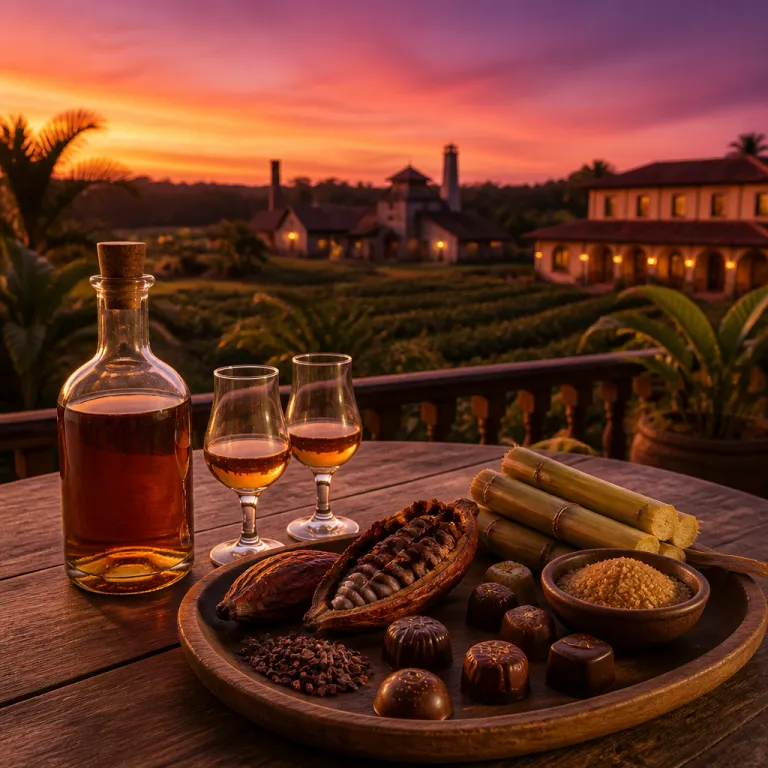
The rum and cacao connection appears when guides pair Flor de Caña pours with local chocolate samples. You taste how a robust cana rum interacts with single-origin cacao, and why bartenders in top Managua and Granada properties prize these combinations. One host might suggest, “Try a 12-year aged rum with 70% cacao; the roasted notes tell the same volcanic story,” turning a simple drink into a quietly educational moment that still feels like a treat rather than a classroom.
From a booking perspective, this is an easy half-day excursion to build into a luxury itinerary. Many premium hotels in Managua and León can arrange private transfers, ensuring you arrive in time for morning tours and return before dinner service. Always book the experience in advance through your hotel concierge or a trusted local operator, as group sizes are controlled and last-minute walk-ins may be turned away when tours are full.
Cacao farms and chocolate ateliers: from finca to tasting room
Once you have walked the warehouses of Flor de Caña, the next logical step on a Nicaragua rum and cacao trail is a visit to cacao farms. The country’s cacao belt stretches through humid lowlands and foothills, where volcanic soils and tropical rains shape the beans’ character. Many fincas now welcome visitors, often in partnership with agricultural cooperatives focused on eco-friendly production and fair prices for growers.
A typical farm experience begins under shade trees, where you see cacao pods sliced open and taste the sweet pulp around the beans. Owners explain how the country’s position in Central America gives them access to both Atlantic and Pacific microclimates, which in turn influence flavor. You follow the beans through fermentation boxes, drying patios, and finally into small processing rooms where the aroma rivals any luxury chocolate store and hints at the same volcanic terroir that defines Flor de Caña and other cana rum producers.
Some operations have evolved into full bean-to-bar workshops, ideal for travelers who want more than a quick drink at a hotel bar. You might grind nibs by hand, temper chocolate, and pour your own bottle-sized bar to take back to your room. The best experiences weave in local context, linking cacao to coffee and rum as Nicaragua’s agricultural trifecta of premium exports, and guides often share how many years it takes for a cacao tree to reach peak production and how long carefully fermented beans can be stored before roasting.
For those planning a broader gastronomic route, pairing these visits with a stay in Granada works particularly well. The city already anchors several coffee tours near Mombacho Volcano, and its colonial streets host restaurants that integrate Nicaraguan rum and cacao into tasting menus. For a deeper regional overview, use a curated gastronomy road trip such as the one outlined in this Granada to Pacific culinary itinerary as a planning backbone.
Luxury hotels in the region increasingly curate private cacao experiences for guests. Concierges can arrange transport to selected farms, coordinate English-speaking guides, and ensure tastings align with your dietary preferences, including requests for products without artificial ingredients. When you return to your property, expect the bar team to suggest pairings between your newly acquired chocolate and a glass of aged Nicaraguan rum from Flor de Caña’s year rum portfolio, often highlighting which cana rums flatter milk versus dark chocolate.
As you move between rum and cacao, the shared narrative becomes clearer. Both products rely on the same volcanic soils and the same patient years of cultivation, and both now underpin a new wave of Central American culinary tourism. For travelers used to polished wine routes, this emerging Spirits and Sweets Trail feels refreshingly intimate, still largely under the radar, and firmly rooted in the country’s agricultural story.
From tiste to tasting menus: where rum and cacao meet the plate
The most rewarding way to engage with Nicaragua’s rum and cacao theme is to taste how chefs and bartenders reinterpret it. Across the country, a quiet generation of culinary professionals is folding rum, cacao, and coffee into menus that feel both local and cosmopolitan. This is not about sugary cocktails by the pool, but about treating each spirit and ingredient as part of a coherent story that links volcanic fields to the glass.
Start with the bar, where a well-trained team can turn a simple cana rum pour into a guided tasting. Many luxury properties now offer flights that compare different cana year expressions, from lighter mixing rums to contemplative Year Centenario bottlings. The best bartenders talk you through aroma, texture, and finish, often pairing each glass with a square of single-origin cacao or a small coffee-based bite, and they are happy to recommend which bottle to buy if you plan to take a premium spirit home.
Traditional drinks deserve equal attention, especially tiste, a pre-Columbian blend of ground cacao, corn, and spices. Served cool in clay cups, it offers a textured, almost savory drink that contrasts sharply with modern sweetened chocolate beverages. In high-end restaurants, you may find tiste reimagined as a dessert course, perhaps alongside a small pour of aged rum that echoes its roasted notes and underlines how deeply these flavors belong to the country.
On the plate, chefs use Nicaraguan rum as both seasoning and narrative device. A reduction of Flor de Caña over grilled shrimp can reference the nearby Pacific, while a cacao nib crust on beef nods to the country’s interior fincas. When these elements appear together in a tasting menu, they quietly map Central America’s landscapes onto your plate and show how a single bottle of rum can anchor an entire dining experience.
Coastal towns such as San Juan del Sur now host properties where this approach feels particularly natural. Here, seafood-focused kitchens glaze fish with Nicaraguan rum, finish sauces with cacao butter, and end meals with coffee from volcanic slopes inland. To understand how this plays out at street level, look at a focused guide like this plate by plate overview of San Juan del Sur, then choose a hotel within easy walking distance.
For solo travelers, bar counters become informal classrooms. Sit near the action, ask about the connection between Flor de Caña, local cacao, and coffee, and you will often be offered off-menu tastes of experimental infusions or cacao-based bitters. These conversations, more than any formal workshop, reveal how deeply rum and cacao now shape Nicaragua’s premium hospitality culture and why many guests leave reviews online praising specific bartenders by name.
Designing a rum and cacao itinerary around luxury stays
Building a coherent Nicaragua rum and cacao itinerary is easier when you think in arcs rather than isolated excursions. One elegant route begins in Managua, loops through León and Chichigalpa for the distillery, then curves down to Granada and the Pacific coast. Each stop offers a different angle on rum, cacao, and coffee, and the right hotel choices will frame those experiences with comfort and discretion.
In Managua, choose a premium property with a serious bar program and a cellar that treats Nicaraguan rum as a flagship spirit. This is where you can schedule a first guided tasting, calibrating your palate before visiting the distillery itself. Ask the concierge to arrange a private transfer to Flor de Caña, ideally timed so you arrive for a morning tour and return before the city’s dinner reservations begin, and confirm whether the package includes a bottle of aged rum to take home.
León works well as a cultural and volcanic counterpoint, especially for travelers intrigued by the active volcano landscapes that shape the country’s agriculture. From here, day trips to Chichigalpa are short, and you can return to a hotel terrace for a sunset drink featuring cana rums and local cacao. Some properties partner with the emerging Spirits and Sweets Trail initiative, bundling distillery visits with cacao tastings and coffee farm excursions so you can experience three premium exports in just a few days.
Granada then introduces a softer, lakeside rhythm. Luxury hotels in the historic center often occupy restored mansions, with courtyards that become natural stages for rum and chocolate pairings after dark. Many can also coordinate visits to nearby cacao farms, ensuring your rum and cacao journey remains logistically smooth and that you never feel rushed between tastings, transfers, and time by the pool.
Finally, the Pacific coast offers a relaxed finale, where you can let the country’s flavors settle. Choose properties that emphasize local sourcing, from seafood to sugarcane derivatives, and that list multiple aged rum options by the glass. Here, a simple bottle of Flor de Caña on your balcony table, paired with a bar of farm-sourced chocolate, can feel like the most luxurious moment of the trip and a fitting close to your Central American circuit.
Throughout this arc, keep logistics aligned with your comfort level. Solo travelers may prefer hotels that offer in-house guides or trusted drivers, reducing the need to negotiate transport after a long tasting session. When booking through a platform like mynicaraguastay.com, pay attention to how each property talks about rum, cacao, and coffee — the most engaged teams usually deliver the most memorable experiences and understand how to balance privacy with access.
How hotels curate Nicaragua’s Spirits and Sweets Trail for discerning guests
The rum and cacao theme gains real depth when hotels act as curators rather than mere booking agents. The most interesting luxury properties in Nicaragua now treat rum and cacao as pillars of their identity, not just items on a minibar list. This shift aligns with a broader move toward experiential travel, where guests value narrative and place as much as thread count and where a single well-told story can define an entire stay.
At the top end, some hotels design multi-day packages that trace the Spirits and Sweets Trail across several regions. A typical program might begin with a welcome drink featuring a carefully chosen cana rum, continue with a private visit to Flor de Caña, then add a day at a cacao farm and another at a coffee estate. Throughout, guests return each evening to tasting menus that reinterpret what they have seen in the fields and warehouses, often highlighting how many years each ingredient spends in barrel, soil, or drying beds.
Even smaller premium properties can play a meaningful role. A concise rum list that highlights different year rum expressions, clear notes about the absence of artificial ingredients or sugar additives, and staff trained to explain the story behind each bottle all contribute to trust. When a bartender can explain why one aged rum pairs better with citrus while another flatters dark chocolate, the bar becomes an educational space rather than just a place to order a quick drink.
Digital touchpoints matter as well, especially for travelers planning from abroad. Hotel websites that clearly outline their rum and cacao partnerships, link to the Spirits and Sweets Trail, and provide practical details about tour durations and transfer times inspire confidence. Avoid properties whose online presence feels like a generic scroll top of amenities with no mention of the country’s signature spirit culture or any reference to local producers.
On review platforms, you may notice guests leaving comments that read almost like tasting notes. Some will describe a particular bartender’s Flor de Caña flight in detail, while others might focus on how well the bar team explained the difference between younger cana rum and older Year Centenario bottlings. For a solo explorer, these signals help identify where the rum and cacao narrative is genuinely integrated rather than superficially marketed, and where a cana rum list is more than a decorative menu page.
Ultimately, the best rum-focused hotels in Nicaragua understand that luxury is not about excess. It is about precision — the right cana rum in the right glass, the right cacao in the right dessert, the right story told at the right moment. Choose properties that respect that balance, and your journey along Central America’s most compelling Spirits and Sweets Trail will feel both indulgent and quietly instructive, with each bottle and bar adding another layer to the country’s volcanic story.
FAQ
Is the Flor de Caña distillery tour worth the detour from Managua ?
For travelers interested in Nicaraguan rum and local agriculture, the Flor de Caña distillery tour is absolutely worth the drive from Managua. The visit combines a detailed look at production with atmospheric aging warehouses and structured tastings of different aged rum expressions. When coordinated through a quality hotel, the logistics are straightforward and the overall experience feels comfortably premium, with options to upgrade to private tastings or a personalized bottle.
Can I visit cacao farms in the same trip as the distillery ?
Yes, it is realistic to combine rum and cacao experiences in a single itinerary. Many travelers base themselves in León or Granada, visiting the distillery on one day and nearby cacao farms on another. Hotels and local tour operators can help coordinate transfers so the schedule remains relaxed rather than rushed, and they can advise how many years of production each season you are likely to see on a given visit.
Do luxury hotels in Nicaragua offer rum and chocolate tastings on site ?
Several premium properties in Managua, León, Granada, and the Pacific coast now offer curated rum and chocolate tastings. These sessions often feature multiple Flor de Caña year rum expressions paired with single-origin cacao from local farms. Booking such an experience through your hotel is an efficient way to deepen your understanding before or after field visits, and many guests later leave reviews highlighting these tastings as trip highlights.
What should I wear and bring for rum and cacao tours ?
Comfortable clothing, closed shoes, and sun protection are essential for both distillery and farm visits. Many sites involve walking on uneven ground or through warm warehouses, so light fabrics work best. Bringing a reusable water bottle and a small notebook for tasting notes can also enhance the experience, especially if you plan to compare different cana rums or decide which bottle of premium spirit to buy.
Are these tours suitable for solo travelers focused on gastronomy ?
Solo travelers with a strong interest in food and drink will find Nicaragua’s rum and cacao circuit particularly rewarding. Group tours provide easy social contact, while private arrangements through luxury hotels offer more flexibility and depth. The combination of structured tastings and relaxed hotel bars makes it easy to engage without feeling rushed or isolated, and staff are usually happy to recommend the best rum flights or cacao pairings for a single guest.