How a nicaragua artisan crafts pottery shopping guide elevates your stay
Nicaragua rewards travelers who plan their cultural experiences with the same care as their suites. A thoughtful nicaragua artisan crafts pottery shopping guide lets you align your hotel base, your time to visit each city, and your shopping stops so every day feels curated rather than rushed. For premium families, that means less guesswork in unfamiliar markets and more meaningful contact with local artisans.
Start by choosing a city that balances comfort with access to craft traditions. Granada and Managua work well as hubs because you can visit Masaya, San Juan de Oriente, and the highlands within a few days while returning to a pool and proper room service each night. When you book your luxury hotel, ask the concierge not only about the best restaurants but also about nearby workshops boutiques and whether they partner with any local artisans.
A serious nicaragua artisan crafts pottery shopping guide always connects objects to place. In Nicaragua, that means understanding how indigenous heritage, Spanish colonial influence, and Caribbean rhythms shape every piece of clay, leather, and silver you see. Once you grasp that cultural heritage, your shopping experience shifts from casual browsing to collecting unique souvenirs that carry real stories home.
Families often worry about whether markets will feel overwhelming for children. The key is to structure your time visit around shorter, focused stops with clear goals, such as one craft market for ceramics and another for leather goods or jewellery making. Luxury properties can usually arrange private drivers so you move between mercados de artesanías and calm hotel courtyards without logistical stress.
Think of this nicaragua artisan crafts pottery shopping guide as a parallel itinerary to your volcano hikes and Pacific sunsets. While some travelers chase waves in Costa Rica, design minded guests increasingly split their trip between Costa Rica and Nicaragua to balance nature with cultural expression. That nicaragua costa pairing works beautifully when you reserve a few days specifically for markets, studios, and hands on experiences rather than squeezing them between beach transfers.
San Juan de Oriente and Masaya: the heart of artesanías
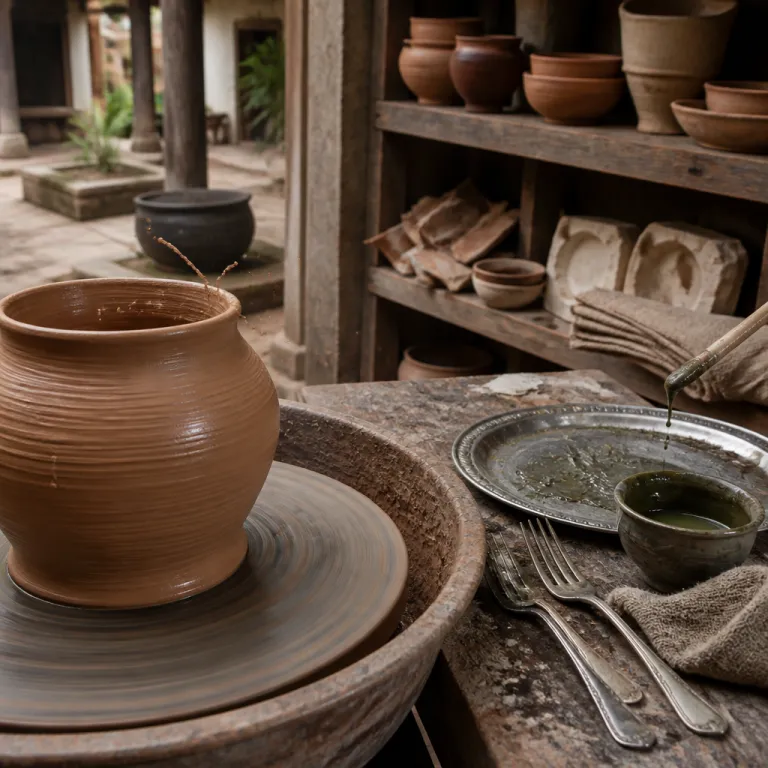
San Juan de Oriente, near Masaya, is where Nicaragua’s clay speaks loudest. This village should sit at the center of any serious nicaragua artisan crafts pottery shopping guide because families here have shaped earth into vessels for generations, long before any colonial city rose nearby. Guided tours and hands on workshops let you watch artisans at the wheel, then try your own imperfect bowl while children laugh beside you.
Valentín López, Master Practitioner and indigenous ceramic artist from San Juan de Oriente, exemplifies how a tradition artisan can innovate without losing roots. When you visit his studio or similar workshops, ask to see both raw, unglazed forms and high quality contemporary pieces that blend ancestral motifs with modern lines. You will quickly learn to distinguish hand thrown work, where slight variations reveal the maker’s touch, from mass produced ceramics stacked identically in some market stalls.
Masaya itself hosts Nicaragua’s largest mercado de artesanías, a craft market that can feel theatrical yet still hides serious craftsmanship. A refined nicaragua artisan crafts pottery shopping guide helps you navigate beyond the tourist oriented rows to the corners where local artisans sell directly, often next to their own tools and kilns. Look for stalls where the seller can explain firing temperatures, clay sources, and design meanings rather than only quoting a price.
Plan your time visit Masaya in the late morning, when workshops are active but the heat remains manageable for families. Many luxury travelers pair a market morning with a long lunch at one of Granada’s best restaurants, then return to their hotel pool while their new ceramics rest safely in the car. If you enjoy gastronomy as much as crafts, consider extending this into a broader spirits and sweets trail worth a detour that links pottery villages with rum and cacao estates.
Masaya’s craft markets receive tens of thousands of visitors each year, yet only a fraction arrive with a clear shopping experience in mind. Use this to your advantage by visiting early, asking patient questions, and paying fair prices that respect both your budget and the artisan’s labour. When you leave with unique souvenirs that you can trace back to a specific workshop, your purchases become part of Nicaragua’s ongoing cultural heritage rather than anonymous décor.
From León’s murals to Matagalpa’s black pottery: a northern craft arc
León offers a different chapter in any nicaragua artisan crafts pottery shopping guide, one written in murals and metal rather than only clay. The city’s streets function as an open air gallery where revolutionary history, religious iconography, and contemporary design collide on sun faded walls. Families can turn a simple walk into an art lesson, pausing at galleries housed in colonial mansions to see how painters and sculptors reinterpret Nicaragua’s cultural expression today.
While León is not a craft market in the Masaya sense, it excels at connecting you with curated pieces from across the country. Look for small galleries that represent local artisans from rural cooperatives, including weavers and ceramicists from the highlands around Matagalpa. These spaces often provide more context about each piece, making them ideal for travelers who prefer a calm shopping experience over crowded mercados de artesanías.
North of León, the Matagalpa region introduces you to black pottery and indigenous weaving traditions that rarely appear on quick itineraries. Here, the San Expedito Cooperative in Las Cureñas demonstrates how black clay becomes sleek, almost metallic vessels through low oxygen firing, a technique that has been refined over generations. As one reference explains, “What is unique about Nicaraguan black pottery? It's made using traditional methods passed down through generations. (cooperativasanexpedito.com).”
For premium families, this northern arc works best as a two or three days extension from a Pacific base. You might book a refined eco lodge near Matagalpa, spend one day visiting weaving cooperatives and another focused on black pottery, then return south with a deeper understanding of Nicaragua’s layered artesanías. Along the way, ask your hosts about their preferred high quality workshops boutiques so you support projects that reinvest in local communities.
Linking León and Matagalpa with Granada and Masaya creates a satisfying loop for design minded travelers. One elegant way to structure it is to follow a gastronomy road trip with five stops worth the detour, then add craft focused detours in each region. By the time you return to your coastal hotel, your suitcase will hold not only ceramics and textiles but also a mental map of how Nicaragua’s regions speak to each other through craft.
Cross border context: from Costa Rica to Guatemala and back to Nicaragua
Many luxury travelers approach Central America as a single arc, pairing Costa Rica’s rainforests with Nicaragua’s cities and sometimes extending to Guatemala’s highlands. A thoughtful nicaragua artisan crafts pottery shopping guide acknowledges this wider context, helping you understand why a bowl from San Juan feels different from one bought in Antigua Guatemala. The goal is not to rank countries but to refine your eye so each piece reflects its own landscape and history.
In Costa Rica, craft markets often highlight wood carving and bright textiles, while Nicaragua leans toward clay, leather, and metal as primary materials. When you move between Costa Rica and Nicaragua, pay attention to how similar motifs appear in different mediums, such as birds etched into ceramics in Masaya and woven into bags in a Costa Rican town. This nicaragua costa dialogue enriches your shopping experience, especially if you split your days between nature lodges and colonial city hotels.
Guatemala adds another layer, particularly around Antigua Guatemala and the villages of Lake Atitlán, where weaving cooperatives and ceramics studios have long attracted design conscious visitors. Comparing Guatemalan textiles with Nicaraguan artesanías highlights how each tradition artisan community responds to climate, available materials, and trade routes. When you return to Nicaragua after time in Guatemala, you may find yourself gravitating toward more understated forms, such as matte black pottery or unglazed terracotta.
Families who book multi country itineraries often worry about repetition in markets. The solution is to assign each country a focus within your personal nicaragua artisan crafts pottery shopping guide, such as textiles in Guatemala, wood and coffee in Costa Rica, and ceramics plus leather goods in Nicaragua. That way, every craft market visit feels intentional rather than like another round of similar stalls.
Rica Nicaragua combinations work especially well for travelers who value both sustainability and comfort. You might spend several days in a Costa Rican eco lodge, then shift to a Nicaraguan city hotel where concierges can arrange private visits to local artisans, jewellery making workshops, or leather studios. By the end of the journey, your collection of unique souvenirs will read like a map of Central American cultural heritage rather than a random assortment of purchases.
How to shop responsibly: from leather goods to meaningful souvenirs
Responsible shopping begins long before you step into any mercado de artesanías. A well structured nicaragua artisan crafts pottery shopping guide encourages you to decide what you genuinely need, what your home can accommodate, and how much luggage space you will reserve for ceramics or leather goods. This clarity helps you resist impulse buys and focus on pieces that reflect Nicaragua’s cultural expression with integrity.
When browsing leather bags, belts, or sandals, look for quality leather that feels supple yet substantial, with clean stitching and solid hardware. Ask whether the leather goods were made locally or imported, and whether the workshop employs artisans from nearby communities on fair terms. High quality items may cost more, but they age gracefully and keep your money circulating within the local economy rather than disappearing into anonymous supply chains.
Direct purchases from local artisans are almost always preferable to anonymous resellers. In Masaya’s craft market, for example, “Where can I buy authentic Nicaraguan crafts? Masaya's craft markets and San Juan de Oriente workshops. (nicaragua-travels.com).” Look for stalls where the maker can show photos of their workshop, explain firing or tanning processes, and perhaps even invite you to visit their village on another day.
For families, workshops boutiques that offer short classes can transform a simple shopping experience into a lasting memory. A one hour jewellery making session or a child friendly pottery class allows everyone to appreciate the skill behind each finished object, making you more willing to pay fair prices. These experiences also give children a tangible connection to Nicaragua’s cultural heritage, which often lingers longer than any souvenir.
Finally, remember that the best souvenirs are those you will use or display daily. A hand thrown coffee mug from San Juan, a black pottery vase from Matagalpa, or a leather journal embossed with your initials can quietly recall your days in Nicaragua every morning. When your purchases align with your values and aesthetics, your personal nicaragua artisan crafts pottery shopping guide becomes less about accumulation and more about curating a life infused with travel.
FAQ
How many artisan workshops can I visit around Masaya in one day ?
Masaya and its surroundings host dozens of artisan workshops, with estimates around fifty active spaces dedicated to ceramics, textiles, and other crafts. In practice, a family can comfortably visit three to five workshops in one day without feeling rushed. Focus on San Juan de Oriente for pottery, then add one or two studios in Masaya itself for a balanced schedule.
What is the best way to distinguish authentic pottery from mass produced pieces ?
Authentic Nicaraguan pottery usually shows subtle variations in shape, glaze, and decoration, while mass produced items look almost identical. Ask the seller about the firing process, clay source, and whether the piece was hand thrown or molded in a factory. Whenever possible, buy directly from workshops where you can see the tools, kilns, and artisans at work.
Is black pottery from Matagalpa fragile to transport in luggage ?
Black pottery from the Matagalpa region is surprisingly sturdy when properly fired, but it still requires careful packing. Wrap each piece in clothing or bubble wrap, place it in the center of your suitcase, and avoid checking bags that might face extreme impacts. Many cooperatives also offer basic packing materials and advice tailored to international travelers.
Can luxury hotels in Nicaragua arrange private craft tours for families ?
Most upscale hotels in Granada, Managua, and León work with trusted guides who specialize in cultural experiences and artisan visits. These partners can design half day or full day itineraries that include workshops, markets, and relaxed meals, all paced for children. When you book, mention your interest in crafts so the concierge can connect you with the right experts.
How much cash should I carry for a day of craft shopping ?
Many small workshops and market stalls still prefer cash, especially outside major cities. For a family planning to buy several ceramics, small leather goods, and a few textiles, carrying the equivalent of a few hundred US dollars in local currency usually covers purchases and tips. Keep larger amounts in your hotel safe and bring only what you expect to spend that day.