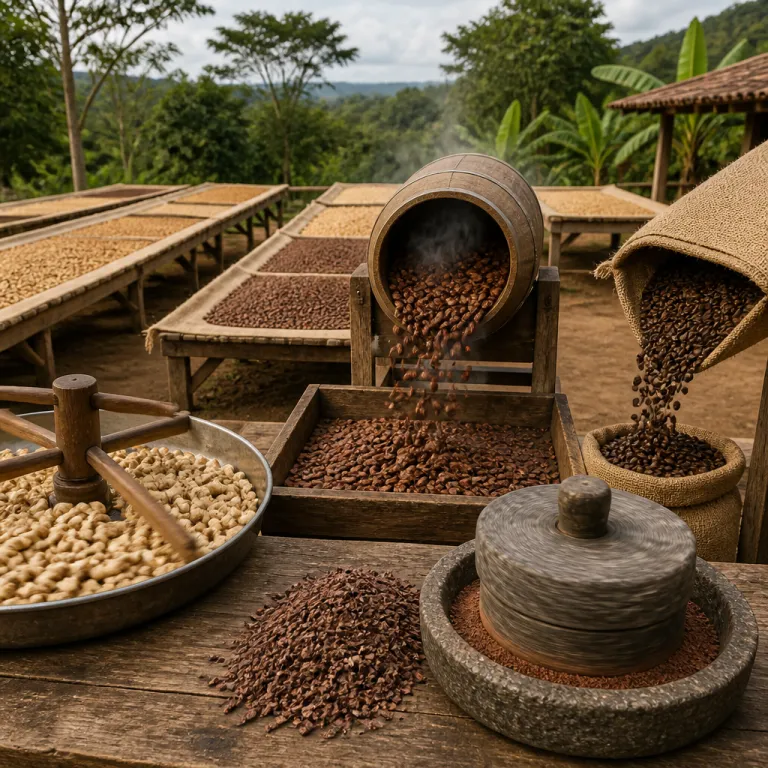
Nicaragua coffee cacao farm experience tastings for luxury travelers
Nicaragua coffee cacao farm experience tastings begin in the highlands, where altitude and volcanic soil quietly dictate your morning cup. In Jinotega and Matagalpa, most specialty coffee grows between 900 and 1,800 metres, and that elevation shapes the coffee beans with a slow ripening that concentrates sugars and creates a clean, layered flavour profile. When you book a premium stay here, you are not choosing a simple coffee tour but an immersive experience where the coffee process, from shaded cloud forest plots to the fresh brewed espresso at breakfast, is part of the property’s identity.
On a well run coffee farm, the experience takes you beyond the terrace and into the rows of trees, where you can feel ripe cherries under your hands and understand how growing coffee under canopy protects both biodiversity and flavour. Many luxury lodges in Nicaragua now partner with at least one local farm, so a guided hike through cloud forests can end with a tasting flight that compares different altitudes, processing methods and roast levels. This is where a good tour guide earns their keep, translating agronomy into sensory language and helping you learn coffee in a way that feels indulgent rather than academic.
For the solo explorer planning a trip, the best strategy is to reserve one or two half day experiences that combine a coffee tour with cacao and cashew tastings, rather than scattering short visits across several days. A curated Nicaragua coffee and cacao farm tour package might include a day trip to a working coffee estate, a night hike in the surrounding forest to hear howler monkeys and a quiet afternoon pairing single origin chocolate with estate grown beans. Before you book, read the hotel’s gastronomy section carefully and look for mentions of small batch roasting, on site cacao fermentation or partnerships with named producers, because those details signal a property that truly knew coffee and cacao long before they built the infinity pool.
From cloud forest coffee to cacao: where the terroir shows in your cup
The most compelling Nicaragua coffee and cacao farm tastings usually start in the mist of a cloud forest, then follow the beans all the way to your breakfast tray. In the hills above Matagalpa, estates like Selva Negra sit inside real cloud forests, where a guided hike doubles as a masterclass in shade grown coffee and birdlife. Here, a knowledgeable tour guide will walk you through the coffee process step by step, from handpicking to washing and drying, before you sit down to compare fresh brewed cups from different plots and truly feel how altitude, soil and shade change the experience.
On these properties, a half day coffee tour rarely feels rushed, because the experience takes place at the natural rhythm of the farm rather than a bus schedule. You might spend part of the day in the forest, watching pickers move between rows, then visit local processing stations where coffee beans are pulped, fermented and dried on patios that warm quickly under the highland sun. By the time you return to the lodge, you will have learned a lot about why growing coffee under canopy matters, and you will understand why Nicaragua’s highland cloud forest regions are considered among the best places in Central America for nuanced, balanced cups.
Luxury hotels that take this seriously weave coffee into every part of the stay, from welcome drinks to pairing menus that match single origin cups with regional chocolate and even savoury dishes. When planning your route from Granada to the Pacific, consider following a curated gastronomy road trip with five stops worth the detour, which lets you link highland coffee tastings with coastal dining in a single elegant arc. For travelers who want more than a checklist tour, this kind of integrated trip turns each day into a layered experience, where every visit, hike and tasting deepens your understanding of Nicaragua as a coffee country rather than just a scenic backdrop.
The cacao renaissance and chocolate tastings that justify the journey
Cacao sits at the heart of any serious Nicaragua coffee and cacao farm tasting itinerary, and the renaissance is happening in real time. Across the country, small producers are moving from selling raw beans to crafting bean to bar chocolate that highlights regional differences in flavour, texture and aroma. When you stay at a luxury property that takes its pantry seriously, you will often find these chocolates on the pillow at turndown, in the minibar and on curated dessert menus that treat cacao with the same respect usually reserved for wine.
On Ometepe Island, El Pital Chocolate Paradise offers a tree to bar tour where you walk through the farm, see cacao pods split open and follow the beans through fermentation, drying, roasting and grinding. This kind of experience takes a full half day if you linger, and it pairs beautifully with a guided hike on the island’s lower slopes, where the forest opens to views of the twin volcanoes and the lake. In Rivas, Choco Rico runs artisan production that turns Nicaraguan cacao into polished bars, and their tastings help you read flavour notes in chocolate the way you might read a guide to wine, moving from bright, fruity profiles to deeper, nutty tones.
For travelers flying back to the United States, Oro Chocolate in Chicago sources Nicaraguan cacao for its own bean to bar line, creating a bridge between your trip and your pantry at home. If you are building a design minded itinerary that already includes Nicaragua’s craft trail for ceramics and textiles, it makes sense to add a stop focused on cacao and chocolate as edible craftsmanship. A thoughtful Nicaragua coffee, cacao and chocolate tasting route will always include at least one in depth session, because it connects the forest, the farm and the hotel table in a way few other activities can match.
Cashews, hotel tables, and the art of tasting in place
Cashews rarely headline a Nicaragua coffee and cacao farm tour brochure, yet they quietly shape the way luxury hotels snack their guests. In the Pacific lowlands near León and along the road south toward San Juan del Sur, small roadside roasters turn local cashew harvests into fragrant, still warm snacks that pair beautifully with both coffee and chocolate. When a hotel takes the time to source from these roasters, the bowl of nuts beside your evening cocktail becomes a direct line to the surrounding landscape rather than a generic minibar filler.
Some of the most interesting properties now design tasting menus that move from coffee to chocolate to cashew in a single sitting, treating each product as an expression of Nicaragua’s volcanic soils and varied microclimates. A well trained tour guide or in house sommelier might lead you through a structured flight, starting with a bright highland coffee, then a darker roast from a lower elevation coffee farm, followed by single origin chocolate and finally cashews roasted with cacao nibs or coffee grounds. This kind of experience takes about a half day when combined with a short visit to a local farm or roastery, and it works especially well for solo travelers who want depth without committing to a multi day course.
When you evaluate luxury hotels online, read beyond the room descriptions and look for how they talk about sourcing, partnerships and tastings. Properties that resist the global beige aesthetic and instead lean into local materials, flavours and producers often deliver the most memorable Nicaragua coffee, cacao and cashew tasting experiences. For a deeper look at why this matters, explore this analysis of Nicaragua’s hotels and their design identity, which argues persuasively that the most compelling stays are those where the coffee, chocolate and cashews on your plate could only come from the surrounding hills and forests.
A three day agricultural trail: from highland farms to the Pacific
A well planned three day Nicaragua coffee and cacao farm tasting itinerary lets you move from misty highlands to the Pacific lowlands without rushing. Start in the Matagalpa or Jinotega region, where you can spend a full day on a working coffee farm that offers both a guided hike through the cloud forest and an in depth coffee tour. The experience takes you from picking coffee beans by hand to watching the coffee process at the wet mill, before ending with a comparative tasting of fresh brewed cups that highlight different plots and roast levels.
On the second day, head south toward Rivas and Ometepe, where cacao and chocolate take centre stage. A visit to El Pital Chocolate Paradise can easily fill a half day, especially if you combine the tree to bar tour with a short hike on the island and a swim in the lake. In the afternoon, stop by Choco Rico in Rivas to see how another artisan chocolatier handles roasting and moulding, then return to your hotel for a pairing session that links these chocolates with regional coffee and a selection of local cashews.
The final day brings you toward the Pacific, where cashew roasters and coastal hotels close the loop on your trip. Plan a relaxed day trip that includes a stop at a small roadside roastery, a visit to a local farm that grows both coffee and cacao at lower elevations and a sunset tasting on a terrace overlooking the ocean. Along the way, you might hear other travelers ask, “What is bean-to-bar chocolate?” and “Where can I taste Nicaraguan bean-to-bar chocolate?”, and the answer is simple now that you have walked the farms yourself and, like many visitors, have learned a lot about how Nicaragua’s three signature crops move from forest to table.
How luxury hotels curate Nicaragua coffee cacao farm experience tastings
High end properties in Nicaragua increasingly treat coffee, cacao and cashew tastings as a core part of their identity rather than an optional extra. In the highlands, places like Selva Negra integrate growing coffee directly into the guest experience, offering morning walks through the plantations, afternoon cuppings and even night hike options in the surrounding forest for those who want to feel the ecosystem that shapes their cup. On the Pacific side, eco focused lodges such as Morgan’s Rock weave local farm partnerships into their menus, serving estate grown coffee alongside chocolate sourced from named producers and cashews roasted just a few kilometres away.
When you read hotel descriptions, look for concrete details about how they handle coffee, chocolate and cashews, not just vague mentions of “local ingredients”. A serious program will usually include at least one structured coffee tour or cupping, a chocolate tasting that explains the cacao varieties used and sometimes a short workshop on roasting or pairing. The best properties also train their staff as informal guides, so your server can explain which cloud forest your morning coffee came from, or which local farm supplied the cacao in your dessert, turning every meal into a quiet, informative experience.
For travelers who care about design and culture as much as flavour, these tastings sit alongside visits to indigenous pottery studios and colonial silver workshops as part of a broader craft focused itinerary. Nicaragua’s craft trail for the design minded traveler pairs beautifully with agricultural experiences, because both reveal how skilled hands transform raw materials into objects and flavours worth crossing borders for. As demand for organic products and eco tourism grows, hotels that invest in thoughtful Nicaragua coffee, cacao and cashew tasting programs will stand out, offering stays where every day, every hike and every cup feels rooted in the surrounding land rather than imported from somewhere else.
FAQ
What is bean-to-bar chocolate in the Nicaraguan context ?
Bean to bar chocolate in Nicaragua means that the same producer handles every step from sourcing cacao beans to crafting finished bars. As one expert explanation puts it, “What is bean-to-bar chocolate?” and the answer is clear : “Chocolate made from scratch by the same producer.” For travelers, this guarantees traceability, a closer relationship with local farmers and a tasting experience that reflects specific regions and fermentation styles.
Where can I taste Nicaraguan bean-to-bar chocolate during my trip ?
Two of the most accessible places for visitors are El Pital Chocolate Paradise on Ometepe Island and Choco Rico in the city of Rivas. Both offer tours and tastings that walk you through the full process, from cacao pods to finished chocolate. Many luxury hotels also stock bars from these producers, so you can continue tasting even if you do not have time for a dedicated tour.
How many cacao and coffee beans does Nicaragua produce ?
Nicaragua produces cacao and coffee at a scale that supports both export markets and a growing artisan scene, but exact figures change from harvest to harvest and by region. Rather than focusing on fluctuating tonnage, travelers will notice how smallholder farms and larger estates alike are investing in quality, traceability and flavour driven production. For visitors, this emphasis on craftsmanship translates into a wide range of coffee and cacao tastings, from intimate farm visits to sophisticated cupping sessions.
Do I need to reserve farm tours and tastings in advance ?
Advance reservations are strongly recommended for coffee, cacao and cashew related experiences, especially at luxury properties and well known producers. Many farms limit group sizes to keep the experience intimate and to avoid disrupting daily work on the land. Booking ahead also allows hosts to prepare tastings, arrange an English speaking tour guide and adapt the program to your interests, whether that is a half day coffee tour or a longer multi day itinerary.
Are Nicaraguan coffee and cacao usually organic ?
Many Nicaraguan farms use organic or low input methods, particularly in highland and forested areas where shade grown systems dominate. Certification varies, so if organic status matters to you, ask your hotel or tour operator to connect you with producers who can document their practices. During Nicaragua coffee and cacao tastings, guides are usually happy to explain how they manage soil health, pests and biodiversity on their land.