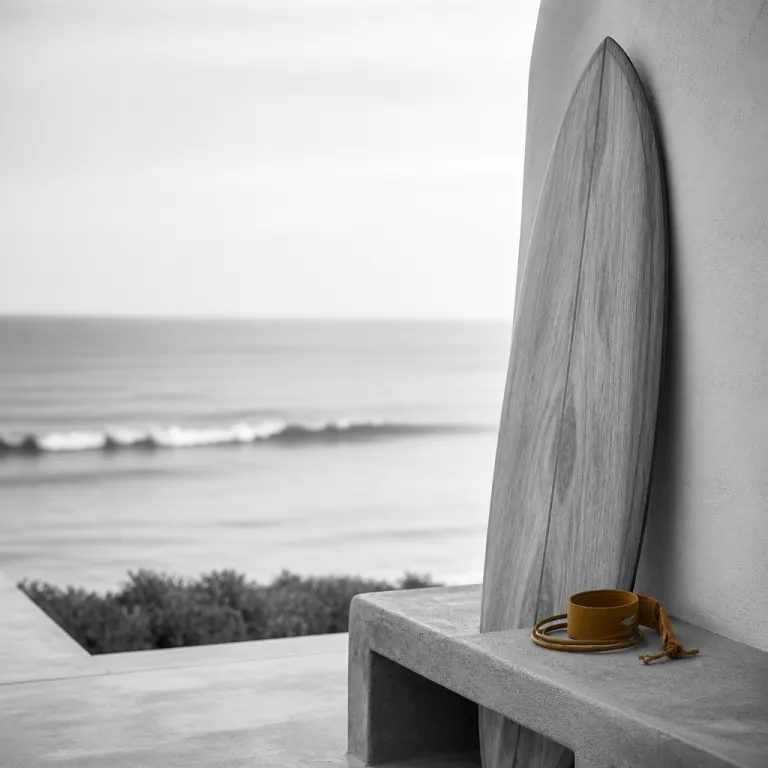
Why luxury travelers are choosing to surf Nicaragua
Nicaragua has become a refined alternative for travelers who want to surf in warm water without sacrificing comfort. Along the Pacific coast, high-end properties now curate surf Nicaragua experiences that blend powerful waves, attentive service, and seamless travel logistics for discerning guests. This combination of reliable surf conditions, elegant design, and thoughtful privacy makes Nicaragua surf stays a serious rival to traditional Costa Rica escapes.
For many surfers, the best balance comes from staying in premium resorts near consistent breaks, then tailoring each surf trip around the day’s tides and offshore winds. Nicaragua’s Pacific coastline is widely reported to enjoy offshore winds on most days of the dry season, which means the waves stay groomed and glassy for long stretches of the year, and this reliability allows upscale hotels to plan guided sessions with precision. When you read guest feedback from experienced intermediate surfers, you often see praise for how easily they can move from a quiet suite to a powerful reef or point break within minutes, such as the short buggy rides some visitors describe between their villa and the peaks at Playa Colorado.
Hospitality teams now work closely with local surf instructors and tourism operators to design private surfing programs that respect both the ocean and nearby communities. These curated Nicaragua surf itineraries often include dawn patrol sessions, spa recovery rituals, and chef led menus that highlight local produce while keeping surfers fueled for another great day in the water. For travelers comparing Costa Rica and Nicaragua, many now split their trip between the two countries, flying into San José airport in Costa Rica, then crossing by road to enjoy the less crowded waves and more intimate atmosphere of Nicaragua’s Pacific coast, with drivers typically covering the Liberia–San Juan del Sur route in around three hours depending on border queues.
Planning a premium surf Nicaragua itinerary from airport to ocean
Thoughtful planning begins long before you paddle into your first set of waves. When you arrange a luxury surf Nicaragua holiday, start by choosing your arrival airport and transfer style, because this will shape how rested you feel on the first surfing day of your trip. Many travelers land in Managua for direct access to the Pacific, while others arrive in Liberia or San José in Costa Rica, then continue overland to Nicaragua for a multi country surf experience.
High end hotels and surf camp style retreats with premium services now offer private drivers, chilled water, and bilingual hosts who handle border formalities and timing around traffic. This level of care turns what could be a tiring transfer into a relaxed introduction to the country, and it allows guests to focus on reading the forecast and planning which breaks to surf first. If you are comparing properties, feel free to contact pricing teams directly and ask how they coordinate with local surf guides, because the best operations integrate airport pickups, board rentals, and tide charts into one seamless itinerary, often sharing realistic transfer times such as roughly two and a half hours from Managua to San Juan del Sur in normal conditions.
For travelers seeking more adventure activities alongside surfing, some luxury booking platforms curate packages that combine volcano hikes, sailing, and guided cultural visits with daily surf sessions. These tailored programs are especially appealing for couples where one partner is passionate about Nicaragua surf while the other prefers spa treatments, yoga, or fine dining, and they ensure that every guest feels valued throughout the season. To explore how high end properties structure these multi activity stays, look for specialist resources on luxury and premium hotel booking in Nicaragua with adventure activities, then compare which options align with your preferred level of surfing intensity and appetite for day trips.
San Juan del Sur and beyond: where waves meet refined stays
San Juan del Sur remains the most famous coastal town for travelers who want nightlife, varied waves, and a wide choice of hotels. The bay itself is more sheltered, but a short drive north or south brings you to exposed beaches where Nicaragua surf breaks come alive under strong swells and steady offshore winds. Luxury properties in and around San Juan del Sur now offer private transfers to these beaches, allowing guests to chase the best conditions without worrying about parking or security, and many highlight “San Juan del Sur surf transfers” as a core part of their service.
Some travelers prefer quieter enclaves north of San Juan del Sur, where gated communities and golf resorts sit directly in front of consistent beach breaks. One notable example is the Hacienda Iguana area, where premium villas and condos overlook a world class wave at Playa Colorado and guests can move from breakfast to the lineup in minutes, and you can learn more about this style of stay through guides to luxury beachfront golf and surf communities in Nicaragua. These developments often attract intermediate surfers who want reliable waves, warm water, and a calm atmosphere rather than the party scene of central San Juan del Sur.
Further north, remote stretches of Nicaragua’s Pacific coast host eco friendly surf camp concepts that have evolved into premium hideaways with refined dining and attentive staff. Here, guests wake to the sound of waves, check the tide, and decide whether to surf, sail, or join a guided excursion inland to explore lakes and volcanoes, and this rhythm suits travelers who value both adventure and quiet reflection. For those who want to balance surfing with other refined experiences, curated lists of refined things to do in Nicaragua for luxury travelers can help you design days that move gracefully from the ocean to the spa or from a reef break to a private rum tasting.
Matching waves and seasons to your surfing level
Choosing the right time to surf Nicaragua is essential if you want both comfort and progression. From April to September, southern hemisphere swells bring larger, more powerful waves that suit confident intermediate surfers and experts who enjoy challenging reef and point breaks. Between October and March, the waves tend to be smaller yet consistent, which makes this season ideal for guests who are still refining their technique or traveling with family members who are new to surfing.
Local surf instructors and tourism operators agree on one key point about timing and conditions. “April to September offers larger swells; October to March provides smaller, consistent waves.” This simple guideline helps travelers decide whether their next surf trip should focus on performance surfing or relaxed, playful sessions in warm water with long rides and forgiving takeoffs, and many guides add that typical swell periods range from about 12 to 18 seconds on the more powerful days.
When you plan your travel dates, consider not only the swell season but also your preferred daily rhythm and tolerance for crowds. Some guests love the energy of peak season, when lineups are busy and every day feels like a festival of waves, while others prefer shoulder months when they can read a book by the pool between uncrowded sessions. No matter which period you choose, Nicaragua surf destinations benefit from those prevailing offshore winds that keep the faces clean for many hours, giving you the freedom to surf at dawn, mid morning, or late afternoon without losing quality.
Designing elevated adventure activities around your surf sessions
Luxury travelers rarely want to spend every hour in the water, even when the waves are perfect. High end hotels along the Pacific coast now curate adventure activities that complement surfing, from guided horseback rides on empty beaches to helicopter tours over crater lakes and colonial cities. These experiences turn a simple surf trip into a layered journey where each day offers both physical challenge and cultural depth.
Many properties partner with local tourism operators to offer private boat charters that access remote surf breaks and hidden coves for snorkeling or stand up paddling. After a morning of surfing powerful peaks, guests might enjoy a leisurely lunch on board, then return to shore for a massage, sunset yoga, or a tasting menu that highlights Nicaragua’s rich volcanic soils and coastal fisheries. This style of travel appeals to couples and groups where some members are passionate about surfing while others prioritize wellness, gastronomy, or photography, because everyone can shape their own perfect day.
Responsible operators also emphasize environmental stewardship and community respect as part of the adventure. Guests are encouraged to bring reef safe sunscreen, stay hydrated in the tropical heat, and learn basic phrases in Spanish to show courtesy in small coastal villages. When you read property descriptions, look for mentions of eco friendly surf camps, support for local schools, and limits on group sizes, because these details signal a commitment to preserving the very waves and landscapes that make surf Nicaragua so special.
What to expect from luxury surf services and on the ground expertise
Once you arrive at your chosen property, the quality of on the ground support will define how effortless your surfing feels. The most polished operations maintain close relationships with local surf instructors, who understand each break’s moods, currents, and hazards in detail, and they use this knowledge to match guests with suitable spots based on skill level and daily conditions. For beginners, sandy beach breaks with gentle waves and patient coaching create a safe environment, while intermediate surfers are guided toward more powerful peaks when the tide and wind align.
Equipment access is another key advantage of staying in a premium surf focused hotel. Many properties maintain quivers of modern surfboards, from soft tops for first timers to performance shortboards and longboards for experienced guests, and this means you can travel light without compromising your surfing. Wetsuits are usually optional thanks to typical water temperatures in the mid to high twenties Celsius along much of the Pacific coast, with NOAA and regional oceanographic summaries often citing averages around 26–29°C, so most surfers enjoy long sessions in just boardshorts or a light rash guard, which adds to the sense of freedom and connection with the ocean.
Behind the scenes, tourism operators coordinate logistics such as vehicle maintenance, safety protocols, and communication with local authorities to ensure that each surf excursion runs smoothly. Guests benefit from clear briefings about tides, rips, and etiquette in the lineup, which helps maintain harmony between visiting surfers and the local community. When you evaluate different booking options, prioritize those that highlight their partnerships with local surf schools and their investment in guide training, because this is where true expertise and long term trust are built.
Key figures for planning a refined surf Nicaragua escape
- Nicaragua’s Pacific coast is known for frequent offshore winds, especially during the dry season, which significantly increases the number of mornings and afternoons with clean, groomed waves compared with many other Central American destinations (based on regional surf climatology and tourism board summaries).
- Typical sea surface temperatures along the Pacific coast generally sit in the mid to high twenties Celsius, allowing most surfers to leave thick wetsuits at home and enjoy long sessions in warm water that are comfortable for both beginners and experts (drawing on NOAA sea-surface temperature charts and regional oceanographic data).
- Southern hemisphere swells typically arrive from April to September, creating larger and more powerful waves that attract advanced and intermediate surfers seeking performance oriented trips during this season, with many surf reports noting average wave faces of roughly shoulder to overhead height on active days.
- From October to March, wave heights are generally smaller yet remain consistent, which makes this period well suited to families, first time surfers, and travelers who want a relaxed balance between surfing and other luxury activities.
- Eco friendly surf camps and premium coastal resorts have expanded steadily along Nicaragua’s Pacific coast, contributing to increased tourism revenue and new employment opportunities in local communities while encouraging more sustainable surf tourism models.
FAQ about luxury surf travel in Nicaragua
What is the best time of year to surf Nicaragua for luxury travelers ?
For luxury travelers who want powerful waves and high performance surfing, the period from April to September usually offers the best combination of strong swells and reliable offshore winds. Guests who prefer smaller, more manageable waves and a calmer atmosphere often choose October to March, when conditions are consistent yet less intense. In both seasons, premium hotels can tailor daily surf sessions around tides and wind to match your comfort level.
Are there surf spots suitable for beginners near luxury hotels ?
Yes, several coastal areas in Nicaragua offer beginner friendly beach breaks within easy reach of upscale properties. Beaches such as El Transito and some bays near San Juan del Sur provide gentle waves, sandy bottoms, and access to qualified local surf instructors who specialize in first time lessons. Many luxury hotels coordinate directly with these instructors, arranging private or small group sessions that include equipment, transport, and safety briefings.
Do I need to bring my own surfboard for a premium surf trip ?
Bringing your own surfboard is optional rather than essential for most luxury surf Nicaragua stays. Many high end hotels and partner surf schools maintain well curated rental quivers, including soft tops for beginners, longboards for cruisy rides, and performance boards for advanced surfers. If you have very specific preferences, you can still travel with your own board, but most guests appreciate the convenience of renting on site.
How do luxury hotels in Nicaragua support sustainable surf tourism ?
Responsible properties work with local communities, surf schools, and tourism operators to minimize environmental impact and share economic benefits. Common initiatives include using reef safe amenities, managing waste carefully, supporting local education projects, and limiting group sizes for surf excursions to reduce pressure on popular breaks. When booking, look for clear information about sustainability practices and community partnerships, as these are strong indicators of long term commitment rather than marketing claims.
Is Nicaragua safe for high end surf travel compared with Costa Rica ?
Many luxury travelers feel comfortable in Nicaragua when they stay in reputable coastal resorts that provide secure environments, vetted drivers, and local guidance. While Costa Rica has a longer history as a mainstream surf destination, Nicaragua’s premium properties have invested heavily in safety protocols, staff training, and guest communication. As with any international trip, it is wise to follow official travel advisories, use hotel arranged transport, and respect local advice about where and when to move around.