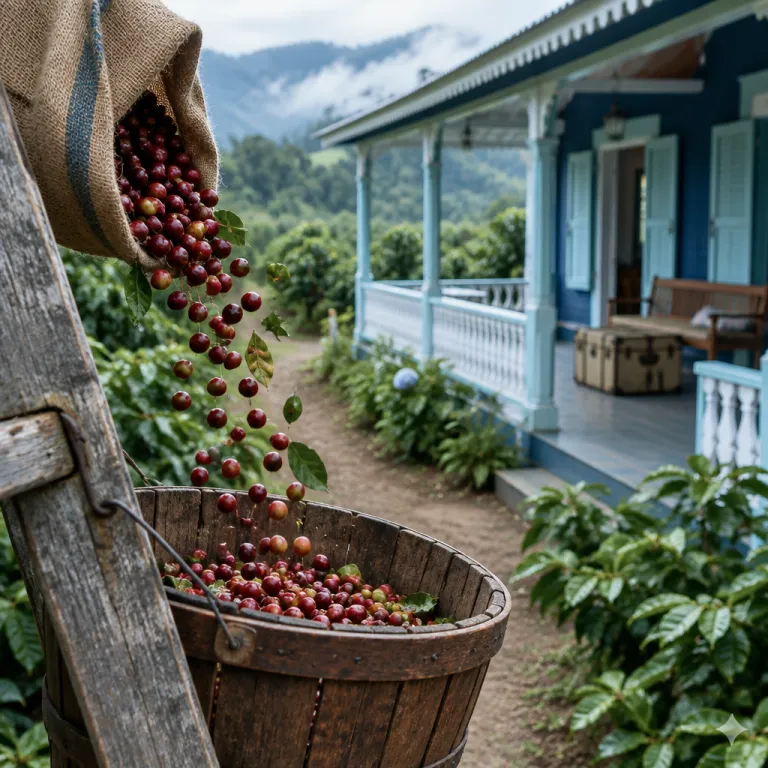
Reading the rhythm of Nicaragua’s coffee harvest season
Nicaragua’s northern highlands move to a quiet agricultural rhythm that shapes every serious coffee estate hotel harvest season stay. As the first coffee cherries blush red on the slopes around Matagalpa and Jinotega, a working coffee farm shifts from contemplative cloud forest retreat to focused production hub for Central America’s specialty market. For business leisure travelers used to coastal boardrooms and quick city breaks, timing a stay to this coffee harvest can turn a standard hotel booking into a rare, immersive experience.
In Matagalpa, elevations between roughly 1 000 and 1 400 metres create ideal conditions for high quality coffee grown under shade. The surrounding cloud forest keeps temperatures cooler than Granada or the Pacific, and during the main harvest season you will see pickers moving methodically through the rows from early in the day. Many fincas now balance eco tourism with serious coffee farming, so a person arriving for meetings in Managua can add a full day in the highlands and still feel the estate is a genuine working coffee operation.
The key window for most Nicaragua coffee estate hotel harvest season stays runs from late wet season into the early dry season, when coffee production is at its most visible. Estates in Matagalpa and nearby Selva Negra typically begin selective picking as the rains ease, then intensify activity as more coffee cherries ripen. When you plan travel during this period, ask directly how active the coffee plantation will be, because some farms focus on harvest coffee for export while others prioritise a quieter guest experience.
Why the highlands beat the coast during picking time
Luxury travelers often start in Granada, drawn by its colonial architecture and easy access to Lake Nicaragua and the Pacific coast. Yet during the coffee harvest season, the real high end experience lies several hours north, where a finca hotel sits inside working coffee farm country rather than beside a beach bar. The contrast between a polished city stay and a night in the cloud forest is precisely what makes a Nicaragua coffee estate hotel harvest season itinerary feel complete.
Properties in Matagalpa and the Selva Negra area offer a different kind of comfort, with fireplaces, wool blankets and views over coffee grown on steep, misty slopes. You trade ocean sunsets for mornings when the selva drips with condensation and the only sound is the wet mill starting up for another day of coffee production. For many travelers from North America, this cooler air and working coffee environment is a welcome reset after time in warmer places like Granada or the Pacific resorts.
These highland estates also anchor some of Nicaragua’s most compelling eco tourism projects, where a person can walk from their hotel room directly into protected forest. Trails often cross sections of coffee plantation and native selva, showing how coffee farming and conservation can coexist in Central America. If you are mapping a broader luxury route that includes volcanic and coastal hidden gems, use a resource such as Nicaragua attractions for luxury travelers seeking hidden coastal and volcanic gems to balance your highland stay with time on the Pacific or around the lakes.
Inside a working coffee estate during peak harvest
Arrive at a serious finca during peak harvest season and the difference from off peak stays is immediate. Before breakfast, you will see teams heading into the coffee farm rows with baskets, selecting only ripe coffee cherries in a process that defines quality across Central America. By mid morning, the wet mill usually hums as freshly picked cherries move through pulping, washing and fermentation, giving guests a front row view of coffee production rather than a staged demonstration.
A well run coffee tour during this period is less about scripted explanations and more about following the actual flow of the day. You might start in the cloud forest above the plantation, where shade trees and native selva protect the slopes, then walk down through blocks of coffee grown at different elevations to understand how flavour changes. From there, a guide can lead you through the working coffee facilities, where you see the separation of beans, the drying patios and sometimes the first cupping sessions that shape what will eventually be served in cafés from Managua to North America and Europe.
For business leisure travelers, the appeal lies in seeing a full day of real decisions rather than a static museum style display. You can ask how the estate manages labour during the coffee harvest, how they plan for the dry season, and how their practices compare with neighbours in Costa Rica or other parts of Central America. If your schedule is flexible, align your Nicaragua coffee estate hotel harvest season booking with the estate’s busiest weeks, and use guidance such as the shoulder season timing guide to understand how early or late visits affect what you will actually see.
Choosing the right finca stay for your travel style
Not every person will enjoy the same intensity of a working coffee harvest, so choosing the right finca hotel matters. Some Nicaragua coffee estate hotel harvest season properties lean into the agricultural side, with early starts, visible processing and a constant sense of movement around the farm. Others keep production slightly out of sight, offering guests a quieter stay where the coffee plantation is a scenic backdrop rather than the main event.
If you are a curious traveler who values context, look for estates that offer a structured coffee tour plus time with the agronomy or wet mill teams. These visits often explain how coffee farming here differs from Costa Rica, how the estate manages shade in the cloud forest, and why certain plots of coffee grown under native trees fetch higher prices. A property like Selva Negra in Matagalpa, for example, combines a long history of coffee production with trails through the surrounding selva, giving guests both a working coffee narrative and a strong eco tourism framework.
Executives extending a business trip may prefer a place where they can work comfortably by day and join a shorter harvest coffee walk in the late afternoon. In that case, ask how close your room is to the wet mill, how much noise you can expect during peak coffee harvest, and whether the estate can arrange a private full day immersion if your schedule allows. If you want to pair highland freshness with Pacific luxury, consider splitting your travel between a finca stay and an oceanfront property such as those reviewed in depth for refined oceanfront stays on the Emerald Coast, which complement the highland climate with sea breezes and surf.
Booking strategy: timing, questions and hidden highland gems
Securing the right Nicaragua coffee estate hotel harvest season booking starts with clear timing. While exact dates vary by altitude and rainfall, many estates in Matagalpa and the Selva Negra region see their most intense coffee harvest activity as the rains taper and the dry season approaches. When you contact a finca, ask specifically which weeks the majority of coffee cherries are picked, when the wet mill usually runs at full capacity, and how that aligns with your preferred travel window.
Hidden gems in these highlands tend to be smaller properties where the owner or manager is directly involved in coffee farming decisions. These places can explain how their coffee production fits into wider Central America trade, how they manage eco tourism alongside a working coffee schedule, and what a typical full day looks like during harvest coffee operations. For travelers who value privacy, request rooms slightly removed from the core farm buildings, so you can step into the action when you wish but retreat to quiet cloud forest views when work calls.
When comparing options, consider whether you want a pure farm immersion or a more balanced stay that includes cultural time in Granada or on the Pacific. A person who thrives on detail might prioritise estates that offer cupping sessions, visits to neighbouring coffee farm projects and discussions about how practices here differ from Costa Rica’s larger scale operations. Whatever you choose, a well timed finca stay during the coffee harvest will give your Nicaragua travel a depth that standard city hotels cannot match, turning a few days away from the office into a grounded, sensory experience of how coffee grown in these hills reaches your cup.
FAQ
When is the best time to book for Nicaragua’s coffee harvest season ?
The most active period for a Nicaragua coffee estate hotel harvest season stay usually falls as the wet months ease and the dry season begins in the highlands. Because timing shifts slightly each year and by altitude, you should always ask the finca directly when most coffee cherries are picked and when their wet mill typically runs. Booking several months ahead gives you the best choice of rooms, especially at smaller high end properties around Matagalpa and Selva Negra.
How many days should I stay on a working coffee farm ?
Two nights is the minimum to understand the rhythm of a working coffee farm during harvest. A full day on site lets you join a morning coffee tour, see the wet mill in action and still have time to walk through the surrounding cloud forest or selva. Travelers with flexible schedules often extend to three nights, which allows for deeper conversations about coffee farming, eco tourism and regional differences with Costa Rica and the rest of Central America.
Is a harvest season finca stay suitable for children or less mobile travelers ?
Many fincas welcome families and older travelers, but the experience can involve uneven paths, early starts and time around machinery. If mobility is a concern, choose a hotel where key viewpoints over the coffee plantation and wet mill are close to the main buildings and accessible by vehicle. Always ask in advance about terrain, distances and whether a person can enjoy the coffee harvest atmosphere without long walks through the farm.
How does a highland coffee estate compare with a Pacific coast luxury stay ?
A highland finca offers cooler air, a working coffee context and quiet cloud forest surroundings, while the Pacific coast focuses on surf, sunsets and ocean based activities. During the coffee harvest season, estates around Matagalpa and Selva Negra provide a more immersive agricultural experience than coastal hotels, with visible coffee production and eco tourism trails. Many business leisure travelers choose to combine both, starting with meetings in Managua, then heading to the highlands before finishing at a refined oceanfront property.
What should I ask before confirming a harvest season booking ?
Before you confirm, ask the estate how active their coffee harvest will be during your dates, how close your room is to the wet mill and whether they offer a structured coffee tour or cupping session. Clarify if your stay coincides with the busiest picking days, when more people move through the coffee farm and processing areas. You should also ask about weather expectations in the transition from wet to dry season, so you pack appropriately for cool mornings and potentially muddy trails.
Sources
International Coffee Organization ; Specialty Coffee Association ; Nicaraguan Institute of Tourism.