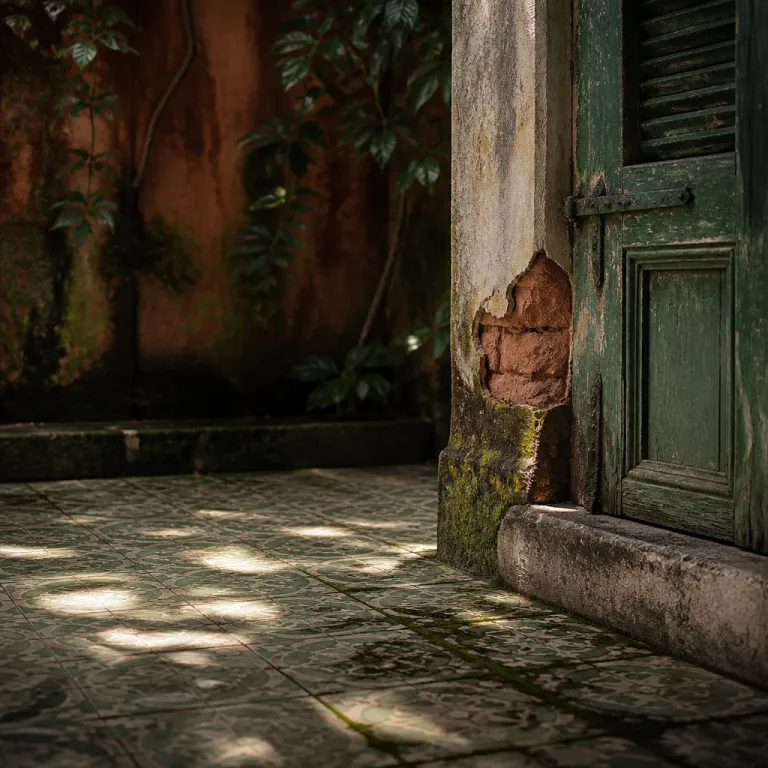
The anatomy of a Nicaraguan colonial house turned hotel
Step into the best nicaragua colonial architecture hotels granada leon and the layout tells you everything. A traditional colonial house in Granada or León wraps around a central courtyard, with thick adobe or masonry walls that keep rooms cool even when a volcano haze hangs over the city. For a solo traveler choosing a luxury hotel in Nicaragua, understanding this courtyard anatomy helps you read the building as carefully as the room descriptions.
In the historic cities of Granada and León, the most atmospheric hotels are former family mansions that now host only a handful of guests. You walk from the street straight into a zaguan entrance hall, then the space opens suddenly into the central patio where palm trees, a small lake like pool and tiled corridors frame the sky. This is where many nights in Granada or León begin, with a drink under the colonnade while the city hums beyond the heavy doors.
Look for high beamed ceilings, original clay tiles and interior gardens that feel genuinely lived in, not staged. In a well restored hotel Granada property, the rooms sit around the courtyard so you move in a loop, always returning to that calm central space. The best nicaragua granada conversions keep the bones of the house intact, then layer in discreet lighting, good mattresses and quiet air conditioning rather than flashy design gestures.
Granada Nicaragua leans into this courtyard logic with almost theatrical flair. Many hotels here sit within a short walk of Parque Central, so you can slip from the plaza’s carriage traffic into a shaded patio in seconds. In León, the same colonial structure feels more monastic, with long corridors and fewer plants, a reflection of a city that has always been more intellectual than mercantile.
When you compare hotels across cities Nicaragua wide, keep asking how much of the original plan survives. Does the hotel managua you transit through before or after flights from Managua Airport echo this courtyard rhythm, or does it feel like any other Central America business property ? In the colonial cities, the answer should be obvious the moment you cross the threshold from street to patio.
Granada versus León: two colonial cities, two hotel moods
Granada sits on the shores of Lake Nicaragua, facing the Pacific side of Central America with a confidence born from centuries of trade. Its streets radiate from Parque Central toward the water, and many of the most characterful hotels occupy former merchant houses that once stored cacao, textiles and goods bound for other cities in Central America. Stay in one of these nicaragua colonial architecture hotels granada leon and you feel that mercantile energy in the generous proportions and open courtyards.
León, by contrast, grew as an intellectual and political city, anchored by its cathedral and university rather than by a lake port. Here, colonial houses turned hotels tend to be slightly more austere, with long, cool corridors and fewer ornamental details facing the street. Inside, though, you still find a central courtyard and high ceilings, but the mood leans toward cloistered calm rather than Granada’s extroverted color.
In Granada colonial streets, façades are painted in saturated hues that shift with the light from the nearby Masaya Volcano and the lake. A hotel in this city Granada context often frames views toward church towers or the distant volcano, reminding you that you are in one of the oldest European founded cities Nicaragua can claim. León San Juan and other neighborhoods in León offer a subtler palette, but the architecture rewards slow looking, especially in the way hotels integrate arcades and interior gardens.
For solo travelers planning trips that connect Granada, León and perhaps San Juan del Sur on the Pacific, the contrast between these cities shapes your nights as much as your days. You might spend two or three nights Granada side in a hotel Granada mansion near the lake, then move to a León property closer to the cathedral for a different reading of Nicaragua’s colonial past. Both cities anchor the idea of nicaragua colonial architecture hotels granada leon, yet each interprets the same building vocabulary through its own history.
Even your route between them tells a story, as you pass near the Masaya Volcano and see how the land tilts gently toward the Pacific coast and the surf towns around San Juan del Sur. Many travelers arrive via Managua Airport, spend a night in a hotel Managua for logistics, then head straight to Granada Nicaragua or León to be closer to the colonial fabric. That first step into a courtyard hotel after the highway and airport hotels feels like crossing a border into the older Central America.
What restoration keeps, what it replaces and how to read the details
Not every colonial house turned hotel in Nicaragua respects its own bones. When you evaluate nicaragua colonial architecture hotels granada leon, start with the floors, ceilings and courtyard proportions before you look at the pool or the bar. Original clay tiles, visible timber beams and thick walls that reveal their depth at doorways are signs that the restoration team trusted the building.
In Granada colonial mansions, some hotels have replaced traditional tiles with glossy ceramics and added oversized pools that shrink the courtyard, sacrificing the original sense of scale. Others keep the central garden intact, perhaps adding a small plunge pool that sits quietly among the plants rather than dominating the patio. León hotels sometimes insert mezzanines or extra rooms into high ceilinged spaces, and you can feel when the vertical generosity has been compromised.
Ask where the air conditioning units sit and how the wiring runs, because good restorations hide modern systems without flattening the walls. In a thoughtful hotel Granada conversion, you will see restored wooden doors, original ironwork and perhaps a view line from the zaguan to a church tower or volcano beyond. In weaker projects, corridors feel like generic hotel hallways that could be in Managua, Costa Rica or any other city in Central America.
Lighting tells another story, especially at night when you return from exploring things Granada offers, from lakefront walks to rooftop bars. Warm, low lighting that respects shadows lets the colonial architecture breathe, while cold, bright fixtures erase the texture of adobe and stone. The same applies in León, where some hotels near the cathedral use subtle uplighting on columns and arches to underline the city’s architectural gravity.
Adaptive reuse works best when the hotel feels like a guest in the building rather than its conqueror. When you compare hotels across cities Nicaragua wide, notice which ones keep the courtyard as a social heart and which carve it into restaurant zones or event spaces. The more the plan still reads as a family house wrapped around a central patio, the more you are staying inside the real fabric of nicaragua granada and León rather than a stage set.
Heritage, pastiche and the ethics of sleeping in history
Staying in nicaragua colonial architecture hotels granada leon is not just an aesthetic choice, it is a heritage decision. Every time a colonial house becomes a hotel, the owners choose between careful preservation and easy pastiche that flatters guests without respecting the building. As a solo traveler, you have more power than you think in rewarding the former and quietly avoiding the latter.
In Granada Nicaragua, some hotels around Parque Central and the lake have leaned into a fantasy of colonial life with overdecorated rooms, faux antiques and heavy drapery that never existed in the original houses. Others keep the architecture almost bare, letting the courtyard, beams and tiles carry the atmosphere while adding only contemporary furniture and good linens. León shows the same split, especially in properties near the cathedral and in the León San Juan area, where some restorations feel monastic and others theatrical.
Adaptive reuse becomes pastiche when the building’s logic is ignored, for example when a central courtyard is roofed over entirely to create an air conditioned lobby. In cities Nicaragua wide, you will see this in some commercial conversions, but the better hotels resist that temptation and keep the patio open to the sky. The sound of rain on tiles, the way light moves across the walls and the glimpse of a volcano cloud beyond the roofs are part of what you are paying for.
Ethical restoration also considers the neighborhood, not just the guests. In Granada and León, some hotels support local guides for trips to Lake Nicaragua, the Masaya Volcano or the Pacific coast around San Juan del Sur, keeping tourism revenue circulating in Central America’s smaller communities. Others operate as sealed bubbles, with guests shuttled directly from Managua Airport to the hotel and then out again, never really touching the city beyond curated excursions.
If your itinerary includes time on the Caribbean side, properties on the Corn Islands offer a different architectural story but the same heritage questions. For refined Caribbean stays that complement a colonial city base, look at curated options on Little Corn Island through this guide to luxury hotels on Little Corn Island. Linking Granada, León, San Juan del Sur and the islands in one trip lets you read Nicaragua as a set of connected cities and coasts rather than a single postcard image.
Choosing your room: courtyard calm, street life and the solo traveler’s map
Once you have chosen among the best nicaragua colonial architecture hotels granada leon, the real art is selecting the right room. In a traditional colonial house, rooms either face the central courtyard or the street, and that choice shapes your experience more than any amenity list. Courtyard rooms usually offer quieter nights, while street facing rooms plug you directly into the rhythm of the city.
In Granada colonial mansions near Parque Central or the lake, street side rooms might hear carriage wheels, church bells and the occasional festival band. For some solo travelers, that soundtrack is part of the appeal, a reminder that you are in one of the liveliest cities Nicaragua offers. Others prefer the hush of a courtyard room where the loudest sound is the fountain and the rustle of palm leaves.
León’s streets feel different, with more student life and political murals, so a street facing room there can be more intense. If you are spending several nights Granada side and only one or two in León, you might choose a quieter León room to balance the trip. Either way, ask the hotel directly about noise patterns, especially on weekends and during local festivals that can run late into the night.
Room height and orientation matter too, because colonial houses were designed for cross ventilation long before air conditioning. In a well restored hotel Granada or León property, upper level rooms catch more breeze and sometimes frame views toward a volcano or church dome. Ground floor rooms stay cooler during the day, especially those tucked deep along the corridors that ring the central patio.
For travelers connecting through Managua Airport or arriving from Costa Rica by land, a night in a hotel Managua often bookends the colonial city stays. Those airport nights feel purely functional, but they also sharpen your appreciation for the scale and intimacy of Granada and León when you return to their courtyards. In the end, choosing the right room in these cities is about aligning your own rhythm with the architecture’s, letting the colonial bones guide how you move, sleep and wake in Nicaragua.
FAQ
Is Granada or León better for a first stay in a colonial hotel ?
Granada works well for a first stay because many hotels sit close to Parque Central, Lake Nicaragua and the main churches, so you can walk almost everywhere. León offers a more introspective atmosphere with strong cultural and political history, which some solo travelers prefer once they already feel comfortable in Nicaragua. Both cities have excellent colonial hotels, so your choice depends on whether you want lakefront elegance or cathedral centered intensity.
How many nights should I spend in Granada and León ?
Plan at least two or three nights in Granada to enjoy the colonial streets, lakefront and nearby Masaya Volcano without rushing. León deserves at least two nights as well, especially if you want to visit the cathedral roof, museums and surrounding volcano landscapes. Many travelers split a week between the two cities, then add time on the Pacific coast or Caribbean islands.
Are colonial hotels in Granada and León safe for solo travelers ?
Most well established colonial hotels in Granada and León maintain staffed reception, secure entrances and reliable local contacts for guides and taxis. Staying near the historic centers keeps you within busy, well lit areas where walking in the early evening feels comfortable. As always, standard urban precautions apply, but solo travelers generally report feeling at ease in these cities.
How do I get from Managua Airport to Granada or León ?
From Managua Airport, the most straightforward option is a prearranged transfer through your hotel in Granada or León, which usually takes around one hour to Granada and a bit longer to León. Some travelers spend a night in a hotel Managua to rest before continuing, especially after long international flights. Shared shuttles and private drivers are common, and your hotel can advise on current options and pricing.
Can I combine Granada, León and San Juan del Sur in one trip ?
Combining Granada, León and San Juan del Sur in a single itinerary is very feasible, and many travelers do exactly that. The usual pattern is to arrive via Managua Airport, head first to Granada, then continue to León before finishing with Pacific coast time in San Juan del Sur. This route lets you experience colonial architecture, cultural history and beach life in one coherent journey through Nicaragua.