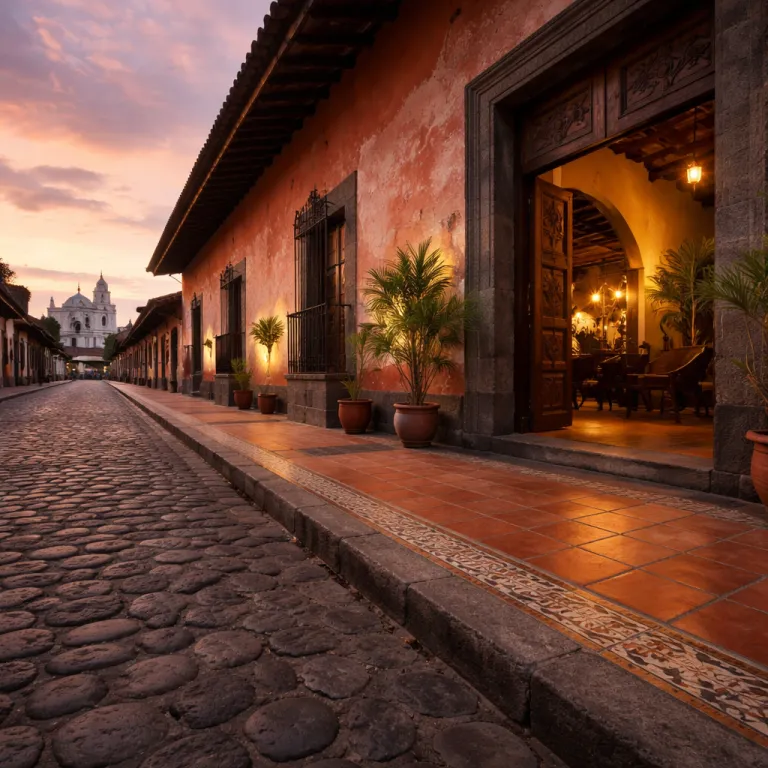
León in central America for discerning travelers seeking character and comfort
León in central America offers a rare blend of cultural depth and relaxed elegance for travelers who value atmosphere as much as amenities. The city of León, Nicaragua, was founded by Francisco Hernández de Córdoba, and its Spanish colonial layout still shapes how visitors move between plazas, churches, and refined hotels. For guests planning where to book, understanding how this history influences today’s luxury and premium stays in the city is essential.
León, Nicaragua, is known for its cathedral, its intellectual life, and its role in the history of Central America, which all shape expectations for high end accommodation. When you walk from Parque Central to the great León Cathedral, the largest in Central America, you pass restored Spanish colonial mansions that now host some of the best upscale properties in the city. These addresses often combine original features built in the colonial century with contemporary comforts that appeal to travelers who want both authenticity and polished service.
The city of León, Nicaragua, sits at an elevation of just over 100 meters, which gives it a warm climate that influences how luxury hotels design courtyards, pools, and shaded lounges. Many of the best places to book in city León use thick colonial walls and open patios to keep interiors cool, while premium suites face inward toward gardens rather than the street. This layout reflects the Spanish colonial tradition of privacy and calm, which suits guests returning from a volcano boarding excursion or a long walking tour through the historic center.
From cathedral views to beach escapes: where luxury travelers stay in León
For many travelers, the starting point in León, Nicaragua, is the cathedral that dominates Parque Central, and several premium hotels position themselves within a short walk of this landmark. Staying near the cathedral in city León allows guests to enjoy early morning views of the white towers, then step directly into the city’s café culture before day trips to the nearby volcano. This central location also makes it easy to join a guided walking tour that explains how the city was built and how its churches shaped the history of Nicaragua.
Some refined travelers prefer to split their stay between the historic city and the Pacific coast, using León as a cultural base and Las Peñitas beach for relaxation. Premium properties at Las Peñitas offer ocean facing rooms, while in the city of León, Nicaragua, guests can book suites in restored Spanish colonial houses with high ceilings and shaded verandas. This combination lets visitors experience both the energy of central León and the calmer rhythm of the beach, without losing access to the best restaurants and galleries.
Because many international flights arrive in Managua, it is worth planning the first or last night at an upscale airport hotel before transferring to León. Refined travelers often choose an elegant airport property such as the one highlighted in this guide to why an airport hotel in Managua suits refined travelers, then continue by private transfer to the city. This approach reduces fatigue, protects your time in León, Nicaragua, and ensures you arrive ready to appreciate the cathedral, the churches, and the subtle details of Spanish colonial architecture.
Understanding León’s Spanish colonial heritage when choosing premium stays
León, Nicaragua, was one of the earliest Spanish colonial cities in Central America, and its urban fabric still reflects that heritage in ways that matter for hotel selection. The original city León, known today as León Viejo, was built closer to the volcanoes and later abandoned after eruptions, leaving ruins that guests can visit as a UNESCO listed site. Modern León was rebuilt further west, and many of its churches and civic buildings date from the colonial century when the city became an intellectual center of Nicaragua.
When you book a luxury room in the historic center, you are often staying in a house that once belonged to a Spanish colonial family or a prominent Nicaraguan figure. Thick adobe walls, internal courtyards, and tiled roofs are not only aesthetic features ; they also tell the story of how residents adapted to heat, earthquakes, and the nearby volcano. Some properties integrate references to Rubén Darío, the renowned poet associated with León, creating a subtle link between literary history and contemporary hospitality.
Travelers planning a multi stop itinerary across Central America sometimes combine León, Nicaragua, with cities such as Antigua in Guatemala or colonial towns in Honduras, comparing how each city expresses Spanish colonial heritage. Guides often mention routes that connect León with Guatemala, Honduras, and the Pacific coast, making it easy to align cultural visits with premium stays. For groups, it can be helpful to review expert advice on selecting the best luxury villas for a group vacation in Nicaragua, then apply similar criteria when evaluating high end hotels in city Nicaragua León.
Volcano boarding, city churches, and curated experiences for luxury guests
One of the most distinctive activities near León, Nicaragua, is volcano boarding on Cerro Negro, which has become a signature experience for adventurous travelers. Premium hotels in city León now work with vetted operators to arrange private or small group volcano boarding excursions, ensuring safety standards and comfortable transport. After an early departure from the city, guests hike the black slopes of Cerro Negro, then slide down on specially designed boards before returning to León for a refined lunch.
Within the city of León, Nicaragua, curated cultural experiences focus on the cathedral, the churches, and the legacy of the Somoza dictatorship, which left deep marks on the country. A private walking tour can include the León Cathedral rooftop, the church of San Francisco, and the church of San Juan, as well as museums that explain how the Somoza dictatorship shaped modern Nicaragua. These tours often highlight how the churches were built over the centuries, how Spanish colonial art evolved, and how the city became a center of resistance and intellectual life.
Some travelers choose to stay at well known hostels such as Bigfoot Hostel for a night of social atmosphere before moving to a more tranquil premium property. Even if you do not sleep there, you may pass Bigfoot Hostel when arranging volcano boarding, since it helped popularize the activity in León, Nicaragua. Luxury hotels can coordinate with such operators while maintaining higher service standards, allowing guests to enjoy the best of both worlds in city Nicaragua León and its surrounding volcano landscapes.
From Parque Central to Las Peñitas: mapping refined itineraries in León
Parque Central is the natural orientation point in León, Nicaragua, and many luxury travelers choose accommodation within a short walk of this square. From here, it is easy to reach the cathedral, the church of San Francisco, and the church of San Juan, as well as cafés that serve as informal lounges for the city’s creative community. A well located hotel in city León allows guests to move between these landmarks on foot, then retreat to quiet courtyards when the afternoon heat peaks.
Beyond the city, Las Peñitas beach lies about 20 kilometers away and offers a relaxed Pacific setting that pairs well with cultural days in León, Nicaragua. Some travelers book two or three nights in the city of León, then transfer to Las Peñitas for sunsets, seafood, and gentle surf, creating a balanced itinerary. Premium properties can arrange transfers, surf lessons, or boat trips through nearby estuaries, while still keeping guests connected to the history and energy of central León.
For those interested in broader volcanic landscapes, a refined circuit might include León, the volcanic island of Ometepe, and other highlights of Nicaragua. Planning tools such as this guide to elegant stays on Nicaragua’s volcanic island of Ometepe can help travelers compare styles of accommodation across regions. By aligning these options, guests can move from the Spanish colonial streets of city Nicaragua León to lakeside villas and back to the Pacific coast, always maintaining a consistent standard of comfort.
Practical booking insights: hostels, boarding houses, and premium hotels in León
León, Nicaragua, offers a wide spectrum of accommodation, from simple hostels and boarding houses to polished luxury hotels, and understanding this range helps travelers book wisely. In the city of León, hostels such as Bigfoot Hostel attract younger visitors with social events and easy access to volcano boarding, while mid range guesthouses provide quieter rooms near Parque Central. Premium hotels, often housed in Spanish colonial buildings, focus on service, curated excursions, and refined dining, which suits travelers who value comfort after active days.
When evaluating options in city León, consider how each property integrates local history and design rather than relying only on star ratings. Some boarding houses and small hotels occupy structures built in the colonial century, with original tiles, wooden beams, and courtyards that reflect Spanish colonial aesthetics. Others emphasize contemporary minimalism while still referencing León, Nicaragua, through art that depicts the cathedral, the churches, or figures such as Rubén Darío, creating a sense of place.
Travelers planning routes across Central America sometimes compare León with cities in Guatemala, Honduras, and beyond, weighing factors such as safety, walkability, and cultural depth. León, Nicaragua, stands out for its combination of manageable size, strong university presence, and proximity to both volcanoes and the beach, which makes city Nicaragua León particularly attractive. By booking early, especially in peak seasons, and by reading detailed reviews that mention service, noise levels, and tour coordination, guests can secure the best match for their style.
León’s layered history and how it shapes today’s luxury travel choices
Understanding the layered history of León, Nicaragua, adds depth to every hotel choice, from a room facing the cathedral to a suite near Parque Central. The city was founded as a Spanish colonial settlement, later relocated after volcanic activity, and eventually emerged as an intellectual center with one of Central America’s oldest universities. This evolution explains why city León combines grand churches, student energy, and a strong sense of civic pride that visitors feel when they walk its streets.
Key sites such as León Viejo, the cathedral, and the churches of San Francisco and San Juan illustrate how the city was built and rebuilt over time. Guided visits often reference the Somoza dictatorship and the role León, Nicaragua, played in political change, giving context to murals and monuments that guests see near their hotels. As one local summary notes, “León is known for its colonial architecture, vibrant culture, and historical significance.”
For luxury travelers, this context supports more meaningful decisions about where to stay, what to visit, and how to allocate time between city and coast. A day might begin with a walking tour of city Nicaragua León, continue with a visit to León Viejo, and end with a sunset drink at Las Peñitas, all coordinated through a premium hotel concierge. By aligning accommodation with interests in history, art, or volcano boarding, guests can experience León, Nicaragua, not just as a stop in Central America, but as a city that rewards attention and thoughtful planning.
Key statistics about León, Nicaragua
- Estimated population of León is approximately 213,718 people, reflecting a substantial yet manageable city size for visitors.
- The city of León sits at an elevation of about 109 meters above sea level, contributing to its warm lowland climate.
- León is recognized as Nicaragua’s second largest city and an important cultural and educational center in Central America.
Essential questions about visiting León, Nicaragua
What is León known for?
León is known for its colonial architecture, vibrant culture, and historical significance. Travelers experience this through the cathedral, the many churches, the murals, and the active university community that shapes daily life in the city.
When was León founded?
León was founded on June 15, 1524. This early establishment as a Spanish colonial city explains the density of historic buildings and the long tradition of education and political engagement that visitors encounter today.
What is the population of León?
As of 2022, León has an estimated population of 213,718. For travelers, this means the city is large enough to offer varied accommodation, dining, and cultural options, while remaining compact enough to explore comfortably on foot.