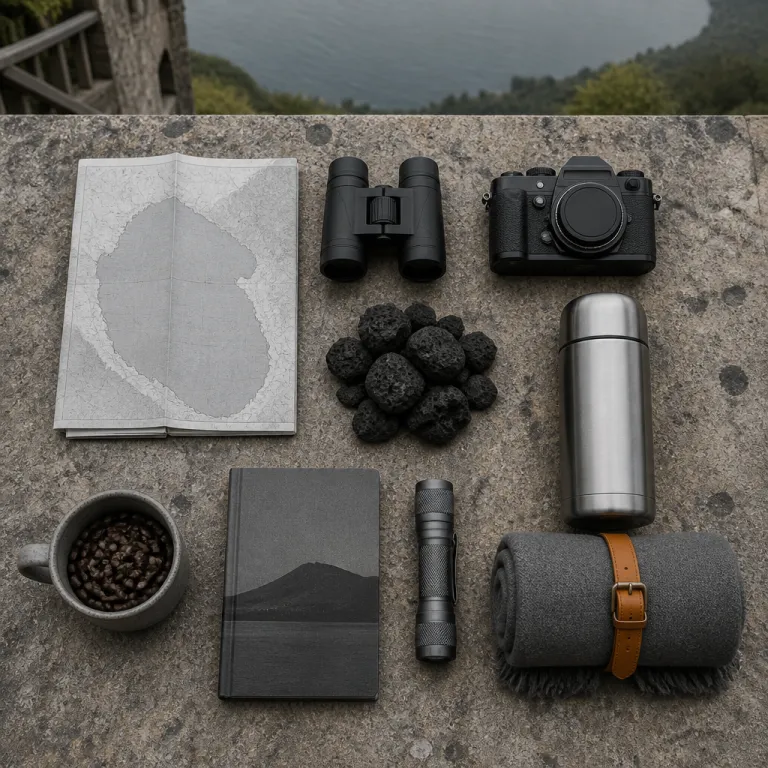
Masaya volcano visit and why Laguna de Apoyo makes it a true journey
Masaya Volcano National Park is one of the rare places on earth where you can drive directly to the rim of an active volcanic crater. The park team runs a tightly timed evening and night tour schedule, with most departures starting around 16:30–17:30, arrivals at the rim close to sunset, and a return to the meeting point roughly 2 to 2.5 hours later. This turns a simple Masaya visit, combined with a Laguna de Apoyo stay, into a perfectly choreographed outing. Expect your vehicle to climb steadily through the darkening landscape of Nicaragua, then stop just a few metres from the edge of the main crater.
From there, a short walk brings you to the viewing platforms where the lava lake glows like a furnace and the sulfur smell hits first, then the low roar of the volcano follows and makes conversations drop to whispers. Park staff and Local Tour Guides keep the flow moving with clear instructions, and they underline the official reassurance that tours are conducted with safety measures in place, including time limits at the rim. Flashlights and safety helmets are available, but you will still want to bring a light jacket, closed shoes, and a camera that handles low light well.
The sensory highlights are immediate: the red glow from the volcanic crater, the wind that carries ash and heat, and the silhouettes of other visitors against the steam. Because entry is controlled and day passes are limited, the experience feels curated rather than crowded, which suits luxury travelers who prefer order over chaos. One traveler summed it up simply: “It felt like standing at the edge of the world for fifteen minutes, then being gently escorted back to normal life.” For many, the smartest way to structure the day is a half day in Granada or around Lake Nicaragua, then a late afternoon transfer for the Masaya Volcano National Park night tour and finally a short drive onward to a quiet Laguna de Apoyo stay.
From Granada’s colonial streets to a crater lake retreat at Laguna de Apoyo
Granada sits about 30 minutes from Masaya by paved highway and works beautifully as a daytime base before your combined Masaya volcano and Laguna de Apoyo itinerary. Spend the day wandering pastel facades, climbing church towers for rooftop views, and pausing in shaded courtyards, then look across Lake Nicaragua towards the Mombacho volcano, whose cloud forest slopes hint at the region’s layered geology. When the sun softens, your driver can swing north past Masaya town and drop you at the rim of Laguna de Apoyo, where the road suddenly falls towards a perfectly round crater lake.
This laguna is a protected nature reserve, a volcanic crater filled with mineral rich water that stays warm enough for year round swimming, often hovering around 26–28°C. The descent from the rim to the lakeshore takes you through dense forest, past small hostels and private homes, until the air turns more humid and the first glimpse of the lake appears between trees, which is when most travelers understand why a night here is highly recommended. Unlike the Pacific beach resorts near San Juan del Sur, there is no surf soundtrack, only birds, distant howler monkeys, and the soft slap of water against stone steps.
For solo explorers who like to mix places, one elegant itinerary links Granada, an evening visit to Masaya, and then a longer circuit to Ometepe or the northern highlands. Our detailed look at quiet luxury on Ometepe at Finca San Juan and Finca del Sol shows how lake islands and crater lakes can complement each other in a single Nicaragua journey. In every case, Laguna de Apoyo acts as the soft landing between the intensity of an active volcano and the slower rhythm of multi day lake or mountain stays.
Choosing your Laguna de Apoyo stay: lakeside luxury, prices, and what to expect
Laguna de Apoyo’s shoreline is lined with a small number of upscale guesthouses and refined eco focused properties, rather than large resorts or party hostels. Most of these stays sit directly on the water or just above it, with stone steps leading into the warm waters of the crater lake and private decks for morning coffee or sunset drinks. The atmosphere is more private residence than hotel, which suits travelers who want to read, swim, and sleep rather than chase a bar scene.
In terms of budget, expect to pay in USD, with a wide range that reflects how prices vary between minimalist lake houses and full service retreats. A refined double room with lake access typically starts from around the low to mid three figures per night in USD terms, while suites with panoramic laguna views, private plunge pools, or dedicated lake platforms can climb significantly higher, especially in peak Central America holiday periods. For example, a boutique lakeside lodge might charge a moderate nightly rate for a standard room and several hundred dollars for a villa with a private deck. Some properties, such as lakeside eco lodges and boutique villas along the reserve, offer day passes for outside guests, but if you value quiet, a full overnight stay is highly recommended because the shoreline empties after sunset and the lake becomes almost private.
Service leans towards discreet rather than fussy; staff arrange kayaks, paddleboards, and transfers to Masaya or Granada, while leaving you space to explore the water at your own pace. If you are building a broader Nicaragua itinerary that includes coffee country, our review of Selva Negra as an elegant eco lodge retreat pairs well with a Laguna de Apoyo stay, offering a cool mountain counterpoint to the crater lake’s tropical heat. Between these two, you experience both volcanic origins and the lush forests that grow from them.
Fire and water: why Masaya by night and Apoyo by day work so well
Seen together, Masaya’s lava lake and Laguna de Apoyo’s calm surface form one of Nicaragua’s most compelling nature retreats. The Masaya volcano and Laguna de Apoyo combination works because it compresses extreme drama and deep relaxation into a single 24 hour window without feeling rushed. You stand at the edge of a smoking crater at night, then float in warm waters inside another volcanic crater the next morning.
From a logistics perspective, the distances are short, which keeps the day feeling like a holiday rather than a transfer marathon. Masaya Volcano National Park sits within easy driving range of both Granada and the laguna, and the road between the crater rim and the lake is paved but steep, so hiring a trusted driver or guide is sensible. Local Tour Guides and the park operator coordinate closely with agencies, and they use guided tours by vehicle with only short walks to viewpoints, which makes the experience accessible even if you are not a hiker.
For travelers who usually default to the Pacific beach near San Juan del Sur or the surf breaks around Playa Maderas, this fire and water pairing offers a very different side of Central America. There is no beach club soundtrack at Laguna de Apoyo, only the occasional splash as someone slips into the lake and the rustle of leaves on the crater walls. If you want another water based contrast later in your trip, consider a night at a private island lodge on Lake Nicaragua; our in depth private island review for travelers who have stayed at the other ones explains how island seclusion compares with a crater lake shore.
Practical guidance: timing, what to bring, and how to structure your day
To get the most from pairing Masaya Volcano National Park with a Laguna de Apoyo stay, think in terms of light and temperature. Plan a relaxed morning at your lake property, swimming or paddling before the sun is high, then a slow lunch and perhaps a short read in a hammock before you drive towards Masaya in the late afternoon. The night tour schedule usually starts around 16:30–17:30, so leaving the laguna by mid afternoon gives you time for a brief stop in Masaya town or a viewpoint over the volcanic crater without feeling rushed.
For clothing, wear comfortable layers and closed shoes, because the crater rim can be windy and the volcanic rock unforgiving underfoot. Bring a light scarf if you are sensitive to sulfur, and carry water in a reusable bottle, as the combination of heat and excitement can dehydrate you faster than expected. A compact camera or phone with good low light performance is useful, but remember that the most powerful highlights of the experience are sensory rather than photographic.
Many travelers ask whether they need a formal travel guide or if a driver is enough for this half day or full day trip. If you value context, a guide who understands both Masaya and Laguna de Apoyo can explain how this crater lake connects geologically to the nearby Mombacho volcano and to the wider chain that runs towards Juan Oriente and beyond. Whatever you choose, book your night tour in advance through your accommodation or a trusted operator, as demand is strong and the park limits numbers to protect both visitors and the site, and always read the latest safety advice from your accommodation before you go, as specific tour times and fees can change.
FAQ
Is the Masaya Volcano night tour safe for first time visitors?
Masaya Volcano National Park operates the night tour with strict safety protocols and controlled access to the crater rim. Vehicles park in designated areas, guides manage group movement, and helmets plus flashlights are available on site. Time at the rim is limited, and staff monitor conditions closely, so first time visitors can focus on the experience rather than logistics.
How long should I plan for a Masaya and Laguna de Apoyo itinerary?
A single overnight is enough to combine a Masaya volcano visit with a Laguna de Apoyo stay, but two nights at the lake give you a full day to swim and explore. Many travelers spend a day in Granada, then a half day at the laguna before the night tour, and finally another quiet morning by the water. This pacing keeps transfers short while allowing time to enjoy both the volcanic crater and the crater lake.
What does the experience typically cost in USD?
Park entry and the guided night tour have a set cost in USD that your hotel or tour operator will confirm, while accommodation around Laguna de Apoyo shows a wider range. You can expect to pay a moderate nightly rate for a comfortable lakeside room, with higher prices for suites or private villas, and prices vary between seasons and holidays. Transfers from Granada or Managua add to the total, so ask for a clear breakdown before you book and confirm whether taxes and park fees are included.
Do I need to be very fit to visit the crater and swim in the lake?
The Masaya night tour is designed to be accessible, with guided tours by vehicle and only short walks to viewpoints along the crater rim. At Laguna de Apoyo, most properties have direct steps into the warm waters, so you can enter and exit the lake easily without long hikes. Basic mobility and comfort with uneven ground are helpful, but you do not need to be an experienced hiker.
How does this combination compare with a Pacific beach stay near San Juan del Sur?
A Pacific beach stay near San Juan del Sur focuses on surf, sand, and social life, while the Masaya volcano and Laguna de Apoyo pairing is about dramatic geology and quiet water. At the crater lake you trade waves for stillness, and nightlife for early mornings on the dock with coffee. Many travelers choose to do both, using the volcano and laguna as a contrasting interlude between more energetic beach days.