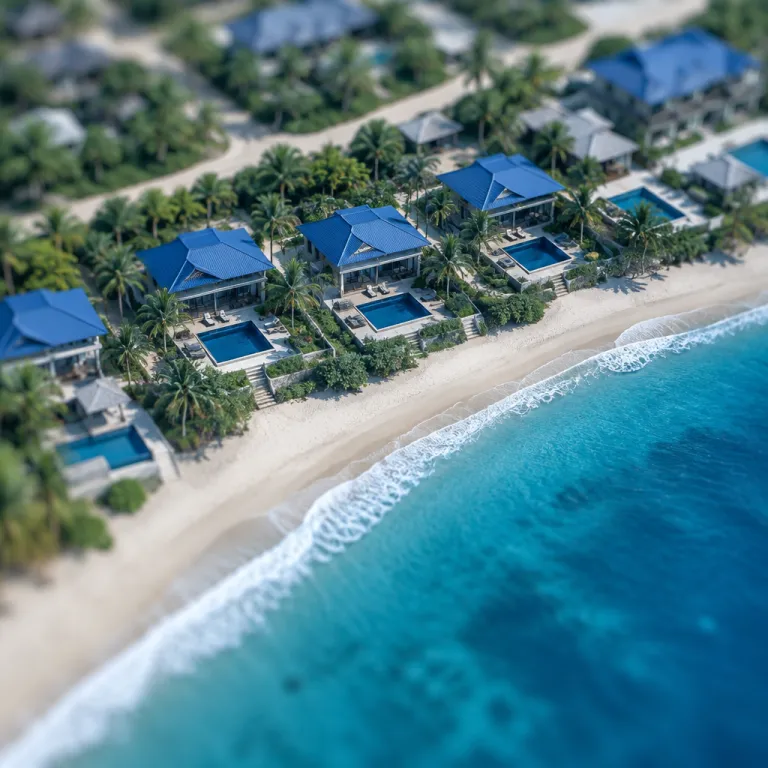
Nicaragua’s seasons and why October is the quiet luxury window
For couples planning a refined escape, the best time to visit Nicaragua depends on how you like your light, your crowds, and your calendar. As the green season eases in October, the rainy months soften into brief showers, and the country shifts toward the clear skies of the dry season that defines high season. This is the moment when a thoughtful Nicaragua high-season booking strategy quietly separates casual planners from travelers who secure the most coveted rooms.
Nicaragua sits in Central America with a distinctly two-part climate, and understanding each season helps you decide when to visit Nicaragua for beaches, volcano views, and lake breezes. From roughly November through April, the dry season brings blue horizons along the Pacific coast and the southern Pacific surf towns, while the wet months from May through October paint the hillsides emerald and keep the air cooler. According to regional climate summaries used by the Nicaragua Tourism Board and the Central America Tourism Agency, many Pacific-coast destinations see a clear drop in rainfall by late October, which is why couples who choose their time to visit around this shoulder period often enjoy the last green landscapes with fewer people, yet still benefit from improving weather as the rain retreats and the best properties start to fill.
On the Pacific coast, especially in southern Nicaragua around San Juan del Sur, the shift from rainy season to dry season is especially visible. By late October, showers usually arrive in shorter bursts, and each month toward April becomes sunnier, which makes this the best time for sunset cocktails above the beaches and for sailing on Lake Nicaragua with clear volcano silhouettes. Booking patterns shared by upscale lodges in the region indicate that interest in November–January stays rises noticeably from late September onward, and luxury travelers who understand this dry–wet transition use it to their advantage, timing a visit to Nicaragua just before high season peaks, when the weather is already pleasant but the booking pressure has not yet reached its maximum.
What sells out first when Nicaragua’s high season begins
Once the dry season settles in, the Nicaragua high-season booking conversation becomes less theoretical and more urgent. The first rooms to disappear are rarely the standard categories; instead, it is the freestanding villas, private pool casitas, and lakefront suites that vanish from availability grids. In San Juan del Sur and along the southern Pacific coast, these limited-inventory spaces are where couples linger over long breakfasts, and they are the rooms that reward early planners who choose their time to visit with care.
Across Nicaragua, the most atmospheric properties near the beaches, on Ometepe Island, and along Lake Nicaragua tend to have a small number of high-end units. A single villa with a plunge pool facing the Pacific coast, or a handful of suites with direct views of the Corn Islands from the mainland, can define the best time to visit Nicaragua for a particular couple. Hoteliers interviewed by regional tourism agencies often report that these singular rooms are consistently among the first to be reserved during peak dry-season months, and when the rainy season ends and the first strong bookings for the dry season arrive, they can be blocked out for long stretches, especially around December holidays and Semana Santa.
October is therefore the quiet but decisive month for securing Nicaragua’s most intimate hotel rooms, from hillside hideaways above San Juan del Sur to stargazing terraces facing the southern Pacific horizon. If you are considering a romantic stay with a terrace made for long sunsets, study curated roundups of Nicaragua’s most intimate hotel rooms and use them to guide your Nicaragua high-season booking decisions. By the time April approaches and the dry season reaches its warmest stretch, couples who waited to choose their time to visit often find only fragmented dates, while those who reserved in October are already planning return trips.
Holiday peaks, Semana Santa pressure, and the high-season booking math
Not all weeks in Nicaragua’s dry season behave the same way, and understanding the peaks is essential for a realistic high-season booking plan. December holidays, New Year celebrations, and Semana Santa compress demand into short windows when every desirable room on the Pacific coast and around Lake Nicaragua seems to be spoken for. During these periods, the best time to visit Nicaragua is less about weather, which is reliably dry, and more about how far in advance you are willing to commit.
For couples targeting San Juan del Sur, Ometepe Island, or the Corn Islands during these holiday weeks, the booking math is simple. The earlier you choose your time to visit, the more likely you are to secure a villa with privacy, a suite with a view, or a room that balances access to beaches with calm surroundings away from party noise. Surveys cited by the Central America Tourism Agency note that many international visitors now reserve Christmas and New Year stays several months ahead, and travelers who compare Nicaragua with Costa Rica and assume similar patterns often underestimate how the smaller inventory of high-end rooms in southern Nicaragua makes high-season peaks feel sharper, especially when the rainy season has just ended and everyone wants the same dry month.
Safety perceptions also influence when people decide to visit Nicaragua, and informed travelers rely on up-to-date guidance about hidden coastal gems and secure areas. Those who understand the country’s geography, from the southern Pacific surf breaks to the quieter corners near Lake Nicaragua, can confidently select the best time to visit Nicaragua without hesitation. When you factor in that low-season rates during the wet months may not compensate for limited room choices and occasional access issues on unpaved roads, the logic of reserving in October for the coming dry season becomes clear for couples who value both comfort and peace of mind.
Hidden gem regions and a practical October booking checklist
Beyond the familiar curve of San Juan del Sur’s bay, Nicaragua offers a series of quieter enclaves where a smart high-season booking strategy feels almost like a secret. Head a little north or south along the Pacific coast and you find coves where the beaches are framed by cliffs, and where a handful of suites command uninterrupted ocean views. Inland, Ometepe Island rises from Lake Nicaragua with its twin volcanoes, and the most desirable rooms here are often those that combine lake access with refined service rather than backpacker energy.
Couples who want both privacy and access to the region’s highlights should treat October as their planning month for the coming dry season. Start by deciding your preferred time to visit, then map how many nights you want on the southern Pacific coast, how many near Granada or the lake, and whether a side trip to the Corn Islands fits your travel rhythm. For this kind of multi-stop itinerary, tourism board guidance and regional climate data both point to late November through early March as the best time to visit Nicaragua, when the rainy season has fully retreated and each month offers stable weather without the intense heat that can arrive closer to April.
From there, apply a simple checklist that respects both flexibility and commitment. Prioritize flexible rates for the first and last nights of your visit to Nicaragua, lock in nonrefundable bookings only for the hardest-to-get suites, and confirm private transfers between regions so that your time is spent on beaches and terraces rather than on logistics. When you align this practical structure with a clear sense of Nicaragua’s seasonal patterns, the high-season booking question becomes less about chance and more about design, giving your trip the same intentionality as the properties you choose.
FAQ
When is the best time to visit Nicaragua for good weather and fewer crowds?
The best time to visit Nicaragua for a balance of pleasant weather and manageable crowds is usually from late November to early December, and again from late January to early March. During these parts of the dry season, rain is minimal on the Pacific coast and around Lake Nicaragua, yet the country is not as busy as during peak holiday weeks. Couples who book in October for these windows often secure better room choices at high-end properties and can still take advantage of shoulder-season calm.
How far in advance should I book for Nicaragua’s high season?
For high-season stays between November and April, especially around December holidays and Semana Santa, you should aim to book at least three to four months in advance. The most sought-after villas and suites in San Juan del Sur, on Ometepe Island, and near the Corn Islands can sell out even earlier, with some boutique hotels reporting that signature rooms are fully committed several months ahead. If you are planning in October, this timing is ideal for securing the best rooms for the upcoming dry season.
Is October a good month to travel to Nicaragua for a luxury trip?
October sits at the end of the rainy season, so you can expect some showers, but they are often shorter and framed by lush green landscapes. For luxury travelers, October is less about perfect beach weather and more about strategic planning for the coming dry season. It is an excellent month to finalize high-season bookings while availability for premium rooms is still strong and while rates at some properties remain closer to shoulder-season levels.
Which regions of Nicaragua are best for couples seeking quiet high-end stays?
Couples often favor the hills above San Juan del Sur, select stretches of the southern Pacific coast, and lakefront retreats on Ometepe Island for quiet, high-end stays. These areas combine access to beaches or water with a sense of seclusion that suits romantic trips. Because inventory is limited and many properties have only a few suites in their top categories, they are also the regions where early high-season booking matters most.
How does Nicaragua compare with Costa Rica for high season travel?
Nicaragua shares a similar dry-season and rainy-season pattern with Costa Rica, but it generally receives fewer international visitors and has a smaller number of luxury rooms. This means that while beaches and volcano areas can feel less crowded overall, the top-tier suites and villas may sell out faster in high season. Travelers who are familiar with Costa Rica’s booking patterns often find that reserving earlier for Nicaragua yields better results for comparable quality stays, especially in boutique properties with only a handful of high-end units.
Suggested sources for further reading: Nicaragua Tourism Board (INTUR), Central America Tourism Agency (CATA), and regional climate data from national meteorological services.