January to March: the golden window for the Pacific and colonial cities
For many luxury travelers, the story of hotel Nicaragua 2026 begins between January and March. This is when Nicaragua’s Pacific coast settles into its most reliable rhythm, with blue skies, offshore breezes and sea temperatures that make every infinity pool feel like an extension of the ocean. Average daytime temperatures hover around 30 °C along the Pacific, according to long term records from the Nicaraguan Institute of Territorial Studies (INETER, Boletín Climatológico Anual 2022), so a private plunge pool or shaded terrace is not a perk but a necessity for comfort in this part of the country.
Along the Pacific, the most coveted destinations are the crescent bays near San Juan del Sur and the quieter coves north toward the Costa Rica border. High end resort properties here often sit on headlands above the surf, giving each guest a sense of seclusion even when occupancy quietly approaches one hundred percent on peak dates. In this early dry season window, the best luxury hotels in Nicaragua operate at full stride, with polished service teams, fully staffed spas and sunset programming that feels choreographed to the minute at flagship addresses such as Mukul Beach, Golf & Spa or Morgan’s Rock.
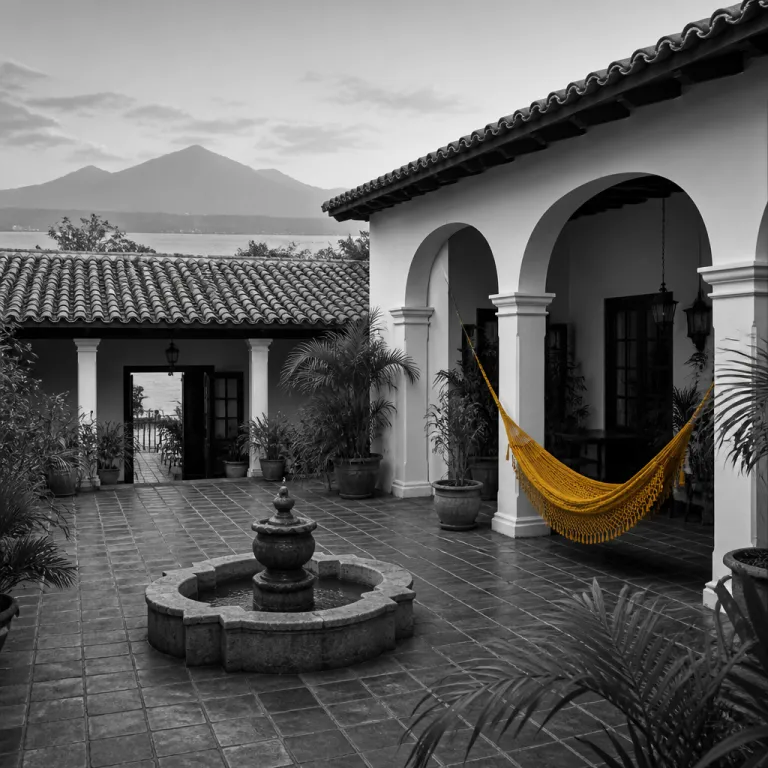
Granada, set on the shores of Lake Nicaragua, offers a different kind of luxury experience in these months. The city’s restored mansions and intimate hotels trade on courtyard calm, hand tiled pools and service that remembers your preferred rum after a single night. With humidity lower and evenings cooler, a private rooftop terrace becomes the most desirable room category in the country, especially for couples who want to read in peace above the city’s soft noise. If you are planning high end Nicaragua resort stays in this period, book your preferred destination at least three to four months ahead, especially if your dates touch North America’s long weekends, when demand from the United States and Canada can compress availability.
April to May: shoulder season value and Easter dynamics
By April, the Pacific side of Nicaragua is hot, bright and running on pure dry season energy. This is the moment when planning hotel stays for 2026 becomes a game of timing, because the weeks around Easter see prices spike and availability vanish at the best resorts. Outside that holiday bubble, however, April and May can deliver some of the most attractive rate structures of the year for luxury hotels, especially for travelers who can be flexible with arrival and departure dates.
On the Pacific coast near San Juan del Sur, many resort managers quietly shift into shoulder season mode once the Easter crowds leave. Dynamic pricing models start to reward flexible travelers, and you will often find private villa suites or oceanfront casitas at rates that would be unthinkable in January. Inland, in destinations such as Granada and the coffee highlands around Matagalpa, the first hints of the wet season bring slightly cooler evenings, which makes courtyard dinners and rooftop cocktails more comfortable for every guest and encourages longer, slower meals.
For couples mapping Nicaragua luxury resort options, April and May are also the months when you can negotiate added value rather than deep discounts. Ask for complimentary transfers, late checkout or a private guided excursion instead of chasing the absolute lowest nightly rate in the country. If you are considering an all inclusive luxury resort experience on the Pacific, this is the time to compare packages carefully and read detailed reviews, and you can use a curated guide to all inclusive luxury hotels in Nicaragua on the Pacific coast to benchmark what the best properties actually include and how they structure premium services.
June to August: green season skies and North American demand
From June, Nicaragua shifts into its green season, and the narrative around booking high end hotels for 2026 becomes more nuanced. Mornings on the Pacific are often bright and clear, while predictable afternoon showers roll through and leave the hillsides around San Juan del Sur and Tola glowing in deep greens. For many luxury travelers, this contrast between lush landscapes and softer light is exactly what makes the country feel like a quieter corner of Central America compared with more crowded destinations in the region.
The paradox is that North American demand peaks in July and August, even as rainfall averages climb toward 200 mm per month in some Pacific departments, based on INETER climate summaries for the period 1991–2020. Families and couples escaping the United States summer heat look to Nicaragua’s resorts for value compared with other destinations in Latin America, which means the best hotels can still reach very high occupancy. If you are set on a specific private villa or top suite category, treat these months with the same booking discipline you would apply to the holiday period and read cancellation policies carefully so that any weather related changes remain manageable.
Inland, Granada and León feel more theatrical in the rain, with cobblestones shining after short storms and volcano views clearing dramatically at sunset. This is also when some travelers pair Nicaragua with other luxury destinations, using experiences in Mallorca or Costa Rica as reference points, and a guide to superior rooms that blend comfort and style can help you benchmark room design and service standards. For hotel planning in Nicaragua 2026, June to August is ideal if you want lower rates than peak dry season but still need to travel in step with North America’s school calendar, especially if you value dramatic Pacific sunsets over guaranteed all day sunshine.
September to November: green season bargains and surf sweet spots
By September, the green season is fully established, and the luxury hotel scene in Nicaragua takes on a quieter, more local rhythm. National occupancy averages can sit around fifty to fifty five percent toward the end of the year, according to recent summaries from the Nicaraguan Tourism Institute (INTUR, Informe de Actividad Turística 2023), yet the most coveted Pacific bays still sell out on specific long weekends. For luxury travelers with flexible dates, this is the moment when the country offers its most compelling mix of value and privacy, particularly for guests who prioritize space over social buzz.
On the Pacific, the surf breaks near San Juan del Sur, Playa Maderas and farther north toward Popoyo often reach their sweet spot between September and early November. Swell consistency remains high, winds are manageable and the surrounding hills are at their lushest, which makes every resort infinity pool feel like it is set inside a private tropical amphitheater. This is also when you will see the clearest rate gaps between standard hotels and true luxury properties, so take time to read inclusions and understand exactly what each guest receives, from private drivers to on call concierges.
In Granada and the highlands, afternoon showers are common but rarely disruptive, and mornings are often clear enough for volcano hikes or coffee estate visits. Travelers focused on hotel Nicaragua 2026 value will find that many high end properties quietly add a third night free or complimentary spa credits rather than slashing base rates. If you are considering a multi destination itinerary across the country, this is the season to combine a few nights on the Pacific with time in colonial cities, using the lower occupancy to secure private guides and tailored experiences that might be harder to arrange in the peak months.
December: holiday programming and the book ahead imperative
December in Nicaragua is when every serious traveler’s calendar and every hotelier’s revenue plan intersect. The first half of the month can still feel like an extension of the green season, with softer pricing and space to breathe in even the best resorts. Once the holiday period begins, however, luxury hotel availability becomes a story of waitlists, minimum stay requirements and fully committed room blocks, especially in the most desirable Pacific destinations.
On the Pacific coast, especially around San Juan del Sur and the more exclusive enclaves north and south of town, luxury resorts often reach one hundred percent occupancy over key holiday dates. Many properties introduce festive programming that ranges from private beach dinners and live music to curated wellness retreats, and these experiences are usually reserved first for in house guests. If you want a specific private villa, oceanfront suite or multi bedroom residence, you should be prepared to set your booking as early as the previous spring and read deposit terms line by line so that you understand refund windows and change fees.
Elsewhere in the country, Granada and the highlands offer a more understated but equally refined December experience. Cooler evenings make courtyard dining and rooftop cocktails especially appealing, and the best hotels lean into seasonal menus built around local produce and Nicaraguan rum. For couples planning hotel Nicaragua 2026 stays at this time, the key is to decide whether you want the energy of the Pacific holiday scene or the quieter charm of inland destinations, then commit early so that dynamic pricing works in your favor rather than against you.
Region by region: matching Nicaragua’s seasonal character to your stay
Thinking about hotel Nicaragua 2026 only in terms of dry and wet seasons misses the country’s regional subtleties. The Pacific coast, with its surf towns, cliff top resorts and bays around San Juan del Sur, follows a clear November to April dry pattern that favors beach stays and sunset rituals. The Caribbean, by contrast, has a different rainfall rhythm and a softer, more humid atmosphere that rewards travelers who prioritize culture and seclusion over guaranteed sunshine and who are comfortable with a more remote resort experience.
In the Pacific departments, the average dry season temperature of around 30 °C combines with offshore winds to create ideal conditions for both surfing and poolside lounging. This is why many of the best luxury resorts are set along this coast, often on private headlands or within gated communities that feel like self contained destinations. If you want to understand why the surf crowd has not yet overwhelmed these bays, a detailed analysis of why Nicaragua’s Pacific remains relatively uncrowded is essential reading before you choose your property and decide between San Juan del Sur, Tola or quieter stretches farther north.
Granada, León and the highlands offer a more urban and cultural experience, with hotels set in restored mansions, former haciendas and contemporary low rise builds that prioritize courtyards over height. These regions are comfortable throughout most of the year, though the dry months are best for long walking days and rooftop views. When planning hotel Nicaragua 2026 stays, remember the core guidance shared by local tourism experts in INTUR visitor surveys: “The dry season (November–April) offers optimal weather.” and “Yes, many hotels offer discounts during the wet season.” and “Beach visits, hiking, and city tours are ideal.” and “Yes, but expect afternoon rains and possible travel delays.” and “Policies vary; check with individual hotels.” — taken together, these statements frame how you should balance weather, budget and flexibility across the country.
Month by month: a cheat sheet for hotel Nicaragua 2026
To translate all this into decisions, it helps to think of hotel Nicaragua 2026 as a twelve month matrix. January to March is the premium window for the Pacific, when rates are highest, weather is most reliable and the best resorts run at full capacity. April offers similar conditions with slightly softer pricing, while May marks the start of shoulder season value, especially for travelers who can handle a little heat and want quieter pools.
June and July bring the first consistent rains but also the arrival of North America’s summer travelers, which keeps occupancy high at the top properties even as the countryside turns lush. August often feels like a tipping point, with some days still bright and dry while others deliver dramatic afternoon storms that clear in time for sunset cocktails. September and October are the true value months, when national occupancy can sit near fifty percent and luxury hotels quietly compete for each guest with added inclusions and flexible terms that reward longer stays.
By November, the rains retreat, the Pacific dries out and the country resets for another high season cycle, which makes it an excellent time for couples who want the best of both worlds. December then splits into two distinct experiences: early month calm with attractive rates, and late month holiday intensity with premium pricing and fully programmed resort calendars. If you map your own priorities against this timeline — weather tolerance, budget, need for privacy, appetite for social energy — you will find that Nicaragua offers at least one perfect destination and one perfect month for your stay.
Key figures for planning luxury stays in Nicaragua
- Average dry season temperature in many Pacific regions is around 30 °C, based on historical weather data from INETER (Boletín Climatológico Anual 2022), which makes access to shaded outdoor spaces and pools a critical comfort factor for luxury guests.
- Average wet season rainfall can reach approximately 200 mm per month in some areas, according to long term climate records compiled by INETER and regional meteorological services, so travelers should expect afternoon showers but generally clear mornings for activities.
- Recent tourism analyses from INTUR and Central Bank of Nicaragua reports indicate that national hotel occupancy toward the end of the year often sits between fifty and fifty five percent, yet top Pacific destinations such as San Juan del Sur can still reach one hundred percent occupancy on peak dates, especially around holidays.
- Average tourist daily spending in Nicaragua is estimated at about 53.5 United States dollars per day in official tourism statistics, with luxury travelers typically spending significantly more on accommodation, private excursions and wellness services that elevate the overall experience.
- The dry season from November to April consistently emerges as the preferred travel window in surveys of international visitors published by INTUR, aligning with expert guidance that this period offers the most stable weather for beach, city and highland stays across the country.
Frequently asked questions about luxury hotel booking in Nicaragua
When is the best time to visit Nicaragua for a luxury beach stay ?
The most reliable period for a luxury beach stay on Nicaragua’s Pacific coast runs from November to April, when rainfall is minimal and skies are consistently clear. January to March is the premium window, with the best surf conditions, calm seas for swimming and fully activated resort programming. Travelers who prefer slightly lower rates with similar weather often target November, early December or April for their Pacific resort stays.
Are luxury hotels cheaper during the wet season ?
Rates at many high end hotels and resorts in Nicaragua soften during the wet season from May to October, especially outside school holidays and local long weekends. Instead of dramatic price cuts, top properties often add value through complimentary nights, spa credits or private excursions. Travelers who can accept afternoon showers in exchange for quieter pools and more attentive service will find strong overall value in this period, particularly in Pacific destinations such as San Juan del Sur.
Is it safe and practical to travel during the rainy months ?
Travel during the rainy months is generally safe, but it requires a bit more flexibility and planning. Most luxury properties are built with covered walkways, robust drainage and backup power, so guest comfort remains high even during heavy showers. The main practical consideration is transport timing, as some rural roads can be slower in the afternoon, which is why many private transfers are scheduled for the morning to minimize disruption.
How far in advance should I book top resorts in Nicaragua ?
For peak periods such as late December, Easter week and July, it is wise to secure reservations at leading Pacific resorts six to nine months in advance, especially for private villas and top suite categories. Shoulder season stays in April, May, September and October can often be booked three to four months ahead with good choice. Last minute availability at the very best properties is rare on key dates, so flexible travelers should be prepared with alternative destinations or room types if their first choice in San Juan del Sur or nearby bays is unavailable.
Which regions work best for combining culture and luxury in one trip ?
Couples who want both culture and high end comfort often split their time between the Pacific coast and the colonial city of Granada. A typical itinerary might include three or four nights at a resort near San Juan del Sur for beach and wellness, followed by two or three nights in a refined Granada property for architecture, dining and lake excursions. This combination works well in both dry and green seasons, with the main adjustment being how you schedule outdoor activities around potential afternoon showers so that each part of the trip feels relaxed and unhurried.