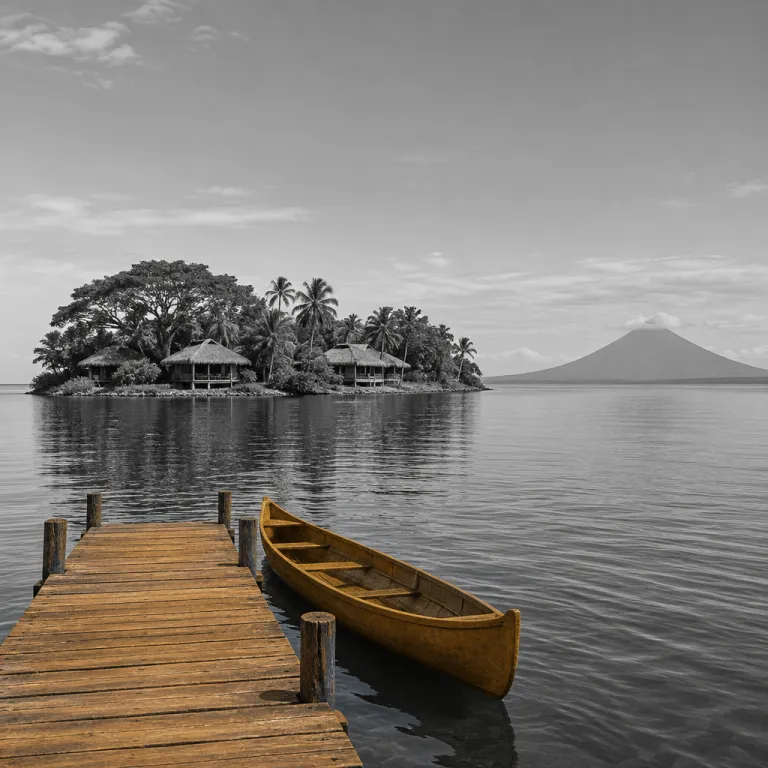
Jicaro lodge as a nature retreat on a private island
Jicaro lodge sits on a tiny private island in Lake Nicaragua, offering a rare mix of seclusion and easy access to the historic city of Granada. This intimate island lodge feels deeply connected to nature, with wooden casitas raised above the water and views stretching across the lake toward Mombacho volcano. For travelers comparing luxury hotels in Nicaragua, this lodge stands out as a place where people can slow down, breathe fresh air, and feel the rhythm of the lake.
The hotel is part of the Cayuga Collection, a group of sustainable properties that operate in both Nicaragua and Costa Rica with strong environmental standards and close ties to local people. At Jicaro lodge, the design emphasizes open air spaces, natural ventilation, and shaded decks overlooking the water rather than sealed, air conditioned towers. Guests who stay at Jicaro often comment that the living area of each casita feels like a treehouse, with a private deck overlooking Lake Nicaragua and carefully placed mosquito netting around the bed for comfort at night.
This private island lodge uses solar panels to reduce its dependence on fossil fuels, and the staff are trained to explain how the system supports the hotel’s operations. The lodge’s commitment to sustainability extends to water management, low impact construction, and close collaboration with local people from nearby communities around Granada and Lake Nicaragua. According to regional sustainability assessments, eco focused hotels that rely on renewable energy such as solar can cut operational carbon emissions by roughly 20–30 percent compared with conventional properties of similar size. For travelers seeking a nature retreat rather than a conventional city hotel, Jicaro island offers a rare balance between refined comfort and a genuine sense of place in Nicaragua.
Arriving at Jicaro island from Granada and Lake Nicaragua
Most guests reach Jicaro lodge after a short transfer from the city of Granada, one of Nicaragua’s most atmospheric colonial centers. From Granada’s lakefront, a boat ride weaves through the isletas of Lake Nicaragua, passing small homes of local people and simple docks where children play near the water. As the boat approaches Jicaro island, the lodge appears gradually among the trees, with wooden walkways and open air structures blending into the shoreline.
Travelers who plan a stay at Jicaro often combine time in Granada with other nature focused experiences around Nicaragua, such as crater lakes and cloud forests in the volcanic highlands. For example, those interested in the wider volcanic landscape can explore refined eco stays around Laguna de Apoyo and the cloud forests near Mombacho volcano, as highlighted in this guide to crater lakes and cloud forest retreats in Nicaragua. This combination allows guests to enjoy both the cultural energy of the city of Granada and the quiet of a private island lodge on Lake Nicaragua.
On arrival at the hotel, staff welcome guests at a central open air reception and guide them along wooden paths to their casitas. The air feels cooler over the lake, and the sound of water against the rocks replaces city noise from Granada. One recent visitor described stepping onto the deck of their casita and “hearing nothing but birds and the soft slap of waves,” noting that this moment marked the true beginning of their nature retreat in Nicaragua.
Design, casitas, and the experience of staying at Jicaro lodge
The casitas at Jicaro lodge are built from warm local woods, with interiors that emphasize simplicity, comfort, and a strong connection to nature. Each unit is arranged over two levels, with a lower living area that opens toward the water and an upper sleeping level where the bed is wrapped in soft mosquito netting. Large shutters and open air design allow breezes from Lake Nicaragua to circulate, reducing the need for mechanical air conditioning while keeping the lodge cool at night.
Guests who stay at Jicaro often highlight the pleasure of waking early, stepping onto a private deck overlooking the lake, and enjoying morning coffee while watching the light change over Mombacho volcano. The living area is usually furnished with comfortable chairs and a small table, creating a quiet corner for reading, writing, or simply listening to the water. At night, the atmosphere shifts as lanterns and soft lighting reflect on the lake, and the sounds of nature replace daytime activity around the hotel.
For travelers exploring Nicaragua, Jicaro can be combined with other refined stays in the country’s highlands, such as elegant eco lodges in the coffee region around Matagalpa. Those interested in cooler climates and coffee culture can look at this curated guide to refined stays in the Matagalpa coffee highlands before or after their time on the island. Moving between a private island lodge on Lake Nicaragua and a mountain retreat near Matagalpa offers a rich contrast in both climate and landscape for people planning a longer trip.
Dining, local flavors, and evenings by the water
Food is a central part of the experience at Jicaro lodge, with menus that highlight fresh local ingredients and traditional Nicaraguan flavors. The open air restaurant sits close to the water, so guests can feel the breeze from Lake Nicaragua while they dine and watch boats pass between the islands. Many travelers choose to pair their meals with Flor de Caña rum, a well known Nicaraguan spirit that appears in both classic cocktails and creative house recipes.
Breakfast often begins with morning coffee sourced from Nicaraguan highlands, fresh fruit, and warm dishes prepared to order by the kitchen staff. Lunch and dinner might feature grilled fish from the lake, seasonal vegetables, and dishes that reflect both Nicaragua and neighboring Costa Rica, a nod to the Cayuga Collection’s regional presence. Because the lodge is on a private island, most guests choose to dine on site every night, which creates a relaxed rhythm and a sense of community among people staying at the hotel.
The bar area and surrounding deck overlooking the water become a social hub as the sun sets behind Mombacho volcano. Some guests linger over Flor de Caña cocktails, while others enjoy a quiet glass of wine before returning to their casita and the comfort of a well made bed under mosquito netting. One couple recalled watching the sky turn “from orange to deep indigo over the lake” and said that this simple ritual became their favorite memory of evenings at Jicaro lodge.
Wellness, activities, and connecting with nature on Lake Nicaragua
Days at Jicaro lodge unfold at an unhurried pace, with activities designed to deepen guests’ connection to nature and the lake. Many people start with yoga or stretching on a deck overlooking Lake Nicaragua, breathing the fresh air and listening to birds in the surrounding trees. Others prefer a quiet paddle in a kayak around Jicaro island, gliding over calm water and observing local people fishing near the shore.
The lodge can arrange guided boat rides among the isletas, where guests learn about the history of Lake Nicaragua, the role of Mombacho volcano in shaping the landscape, and the daily life of communities that live on nearby islands. Some excursions focus on birdwatching and nature, while others include visits to the city of Granada for architecture, markets, and local food experiences. Back at the hotel, guests can relax in hammocks, swim in the pool, or enjoy spa treatments in open air spaces that frame views of the lake and surrounding nature.
For travelers planning a broader itinerary in Nicaragua, it is possible to combine a stay at this island lodge with refined Caribbean stays on the country’s Atlantic side. Those interested in white sand beaches and turquoise water can consult this guide to Little Corn Island hotels for refined Caribbean stays and then return to the calmer waters of Lake Nicaragua. Moving between a private island in the Caribbean and a private island lodge on an inland lake offers a nuanced view of Nicaragua’s diverse nature and hospitality.
Sustainability, Cayuga Collection standards, and community impact
Jicaro lodge operates under the sustainability framework of the Cayuga Collection, which manages eco conscious properties in both Nicaragua and Costa Rica. The hotel uses solar panels to generate a significant portion of its energy, reducing emissions and ensuring that the island lodge has a lighter footprint on Lake Nicaragua. Open air architecture, natural ventilation, and careful use of water all contribute to a design that respects the surrounding nature and climate.
The staff at Jicaro lodge are largely drawn from local people living in communities around Granada and the shores of Lake Nicaragua. Training programs focus on hospitality skills, environmental awareness, and English language support, which helps create long term employment opportunities in Nicaragua. Guests who stay at Jicaro often comment on the warmth and professionalism of the staff, noting that their knowledge of local nature, food traditions, and cultural history adds depth to the overall experience at the hotel.
Community projects supported by the lodge may include education initiatives, environmental education for children, and collaborations with local suppliers who provide fresh food and services. By choosing a private island lodge that invests in both nature and people, travelers can align their stay with values of responsible tourism in Nicaragua. This approach reflects the broader philosophy of the Cayuga Collection, which positions each lodge as both a refined retreat and an active participant in the well being of its surrounding community.
Planning your stay at Jicaro lodge and choosing the right retreat
When planning a stay at Jicaro lodge, travelers should consider how many nights they want to spend on a private island versus in the city of Granada or other regions of Nicaragua. Many guests find that three to four nights on Jicaro island allow enough time to enjoy the lake, relax in the living area of their casita, and take at least one boat ride or guided excursion. Those with more time in Nicaragua can add stays in the coffee highlands, Pacific beaches, or Caribbean islands to create a varied itinerary that balances nature, culture, and relaxation.
Because the lodge is small, advance reservations are recommended, especially for travelers who want specific casita locations or particular dates. Guests should be comfortable with open air design, the sounds of nature at night, and the feeling of being surrounded by water on a private island, as this is central to the character of the hotel. Packing light layers, comfortable walking shoes, and any personal items that support sleep in a natural environment will help ensure that the bed, mosquito netting, and overall room setup feel perfectly suited to a restful stay.
Travelers who value sustainability may wish to ask the staff about the lodge’s solar panels, water treatment systems, and community partnerships during their stay. Understanding how the Cayuga Collection operates in both Nicaragua and Costa Rica can give guests a clearer sense of the broader impact of their travel choices. For people seeking a nature retreat that combines refined comfort, attentive staff, and a strong sense of place, Jicaro lodge on Lake Nicaragua offers one of the most compelling private island experiences in the region.
Key figures on Nicaragua travel and nature retreats
- The Nicaraguan Institute of Tourism has reported that international tourist arrivals surpassed one million visitors in recent years, with nature based tourism representing a significant share of overnight stays across the country (INTUR data, latest consolidated figures available at the time of writing; see annual tourism statistics published by INTUR for precise year by year numbers). This growth reflects increasing interest in lake, volcano, and island experiences such as those around Granada and Lake Nicaragua.
- Lake Nicaragua is the largest freshwater lake in Central America, covering more than 8,000 square kilometres according to regional environmental studies and national geographic surveys (for example, figures cited by the Nicaraguan Ministry of Environment and Natural Resources and regional conservation reports). Its size and biodiversity make it a key destination for water based activities, birdwatching, and island lodge stays near Granada.
- Mombacho volcano, which rises above Lake Nicaragua and the city of Granada, reaches an elevation of more than 1,300 metres based on measurements cited by Nicaraguan conservation organisations and protected area management plans. Its cloud forest reserves host hundreds of plant and bird species, making it a major draw for travelers seeking nature retreats near Jicaro island.
- Flor de Caña rum, often served at high end hotels and lodges in Nicaragua, has won multiple international spirits awards over the past decade, as documented by global competitions such as the San Francisco World Spirits Competition and other recognised industry panels. Its presence on cocktail menus at properties like Jicaro lodge reflects the growing global recognition of Nicaraguan food and beverage culture.
- Studies on sustainable tourism in Central America indicate that eco focused hotels using renewable energy, such as solar panels, can reduce their carbon emissions by up to 30 percent compared with conventional properties of similar size (figures reported in regional sustainability assessments and technical reports on low impact hospitality infrastructure). This aligns with the operational model of the Cayuga Collection and its emphasis on open air design and low impact infrastructure.
Frequently asked questions about Jicaro lodge and nature retreats in Nicaragua
How do you reach Jicaro lodge from Granada ?
Guests typically travel by car or transfer service from Managua to the city of Granada, then continue to the lakefront for a short boat ride to Jicaro island. The lodge arranges the boat transfer, which usually takes less than 20 minutes across Lake Nicaragua. This combination of road and water transport makes arrival straightforward while preserving the sense of seclusion on the private island.
What is the accommodation like at Jicaro lodge ?
Accommodation consists of wooden casitas built on stilts, each with a lower living area and an upper sleeping level. Rooms feature open air design, mosquito netting around the bed, and private decks overlooking Lake Nicaragua and Mombacho volcano. The style is simple yet refined, focusing on natural materials, comfort, and close contact with the surrounding nature.
Is Jicaro lodge suitable for families or mainly for couples ?
Jicaro lodge is often chosen by couples seeking a quiet nature retreat, but it can also welcome families with older children who appreciate open air design and water based activities. Because the lodge sits on a private island with walkways near the lake, parents should be comfortable supervising children in this environment. The atmosphere is calm and intimate, so it suits travelers who value tranquility over large scale resort entertainment.
What activities are available during a stay at Jicaro lodge ?
Guests can enjoy kayaking, swimming, yoga, birdwatching, and guided boat rides among the isletas of Lake Nicaragua. Excursions to Mombacho volcano, the city of Granada, and nearby nature reserves can be arranged through the lodge staff. Many visitors also spend time simply relaxing on their deck overlooking the water, reading in the living area, or enjoying spa treatments in open air spaces.
How does Jicaro lodge address sustainability and community impact ?
The lodge uses solar panels, open air architecture, and careful water management to reduce its environmental footprint on Lake Nicaragua. As part of the Cayuga Collection, it employs local people from communities around Granada and supports education and conservation initiatives. Guests are encouraged to learn about these programs during their stay and to see how responsible travel can benefit both nature and nearby communities.
Suggested sources for further information on Nicaragua travel and sustainable stays include the Nicaraguan Institute of Tourism (INTUR), Rainforest Alliance, and the Global Sustainable Tourism Council.