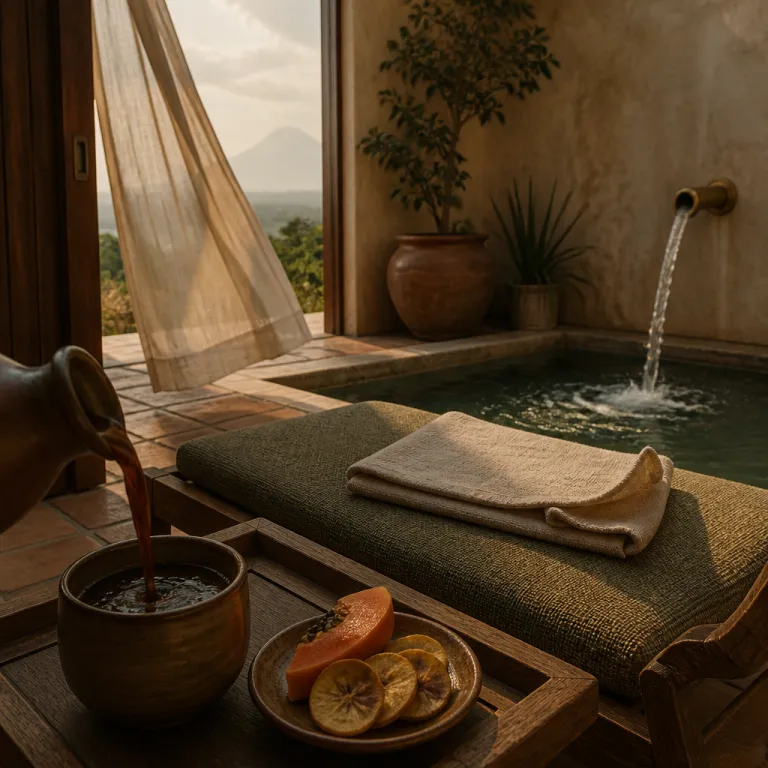
Why Nicaragua is emerging as Central America’s refined coastal escape
Nicaragua is evolving into one of the most compelling luxury destinations in Central America. This Nicaragua travel guide focuses on how high end travelers can navigate the country with confidence while choosing the best premium hotels for a memorable stay. As you plan to travel Nicaragua, you will quickly see how the country blends raw Pacific coast beauty with polished service and discreet comfort.
The Nicaraguan government has made tourism a strategic priority, working with the Nicaraguan Tourism Board (INTUR) and local partners to attract discerning visitors. That effort is paying off; annual tourist arrivals reached about 1.5 million in 2019 according to the Nicaraguan Tourism Board (INTUR, 2020; see intur.gob.ni), while tourism revenue stood near 840 million USD in 2019 based on World Bank data (World Bank, 2021; see World Bank tourism receipts for Nicaragua). For luxury guests, this means more curated experiences, better trained staff, and a wider choice of premium hotels in key cities and on the Caribbean coast.
Many travelers compare the country with Costa Rica, yet Nicaragua offers a quieter, more intimate version of Central America. You can visit Nicaragua for a long day trip from the border with Costa Rica, but the real value comes when you take time to explore several regions. This Nicaragua travel guide highlights how to combine colonial cities, the Pacific coast, Lake Nicaragua, and the Corn Islands into one seamless itinerary.
Key actors shaping premium travel
The Nicaraguan Tourism Board (INTUR) coordinates with hotels, airlines, and local travel agencies to promote high value travel. Their methods include online publication of an interactive travel guide, printed brochures in Managua and other cities, and social media campaigns aimed at the United States and wider America. For guests, this institutional support means better information, clearer safety guidance, and more reliable booking channels when planning any Nicaragua travel.
INTUR works closely with the central government to ensure that new luxury projects respect environmental rules and support local communities. This collaboration helps premium hotels secure permits in emerging destinations such as San Juan del Sur, Laguna Apoyo, and Ometepe Island while protecting Lake Nicaragua and the Pacific coast. When you book through a reputable platform that partners with INTUR approved properties, you gain an extra layer of trust and accountability.
Eco tourism growth, increased adventure tourism, and rising interest in cultural experiences are three clear trends identified by national stakeholders. Luxury travelers benefit because high end lodges and hotels now integrate guided volcano hikes near León, curated art walks in Granada, and private boat trips on Río San Juan into their offers. This Nicaragua travel guide therefore treats each region not only as a place to sleep, but as a gateway to tailored experiences that match premium expectations.
Managua, Granada, and León – urban hubs for luxury stays and logistics
Most international travelers arrive in Managua, the capital city of Nicaragua and the main air hub for the country. While Managua itself is more functional than scenic, it offers several of the best luxury hotels for a comfortable first night after a long flight from the United States or other parts of Central America. Properties such as Hotel Real InterContinental Metrocentro Managua or Hyatt Place Managua typically start around 140–220 USD per night in high season (rates are indicative and should be checked for your specific dates), with airport transfers costing about 20–35 USD each way. Staying in Managua also gives you time to arrange local SIM cards, currency exchange into Nicaraguan córdobas, and ground transfers to other cities.
Granada, on the shores of Lake Nicaragua, is one of the most elegant colonial cities in Central America. High end properties occupy restored mansions with shaded courtyards, refined pools, and attentive Nicaraguan staff who can arrange private boat tours to the islets of the lake. Boutique hotels such as Hotel Plaza Colón or Tribal Hotel often range from 160–280 USD per night (again, prices are approximate and vary by season), with private isleta cruises from around 60–120 USD per boat. If you are planning a refined golf or oceanfront escape on the Pacific coast, consider pairing Granada with a stay at a coastal resort such as the one highlighted in this gran Pacifica resort Nicaragua guide for refined oceanfront stays.
León offers a different urban energy, with its revolutionary history, grand churches, and access to volcano boarding on Cerro Negro. Luxury and premium hotels here tend to be smaller in room count but high in character, often located within walking distance of the main plaza and the cathedral. Upscale options such as Hotel El Convento or Hotel La Perla usually fall in the 120–220 USD range per night (estimated for recent seasons), and private excursions to Cerro Negro with bilingual guides start around 60–90 USD per person. This Nicaragua travel guide recommends León for travelers who want a sophisticated base for day trips to Pacific coast beaches while still enjoying the cultural depth of one of the country’s most important cities.
Choosing the right city for your first nights
If your travel time is limited to a short stay, combining Managua and Granada usually offers the best balance between logistics and charm. Managua works well for late night arrivals, while Granada provides a graceful setting for your first full day in the country. The drive from Managua International Airport to Granada takes about one hour by private car in normal traffic, with prebooked transfers typically costing 45–70 USD depending on vehicle size and provider. From Granada, you can easily travel Nicaragua by private car to Laguna Apoyo, Masaya Volcano, or the road toward the Pacific coast.
Travelers with a deeper interest in history and art may prefer to start in León instead. The city’s museums, murals, and churches reveal how the Nicaraguan government and local communities have shaped the country’s identity over time. From León, you can arrange premium excursions to quiet Pacific beaches, where upscale hotels offer sunset dinners and curated rum tastings. Many visitors choose to visit during the dry season from December to April, when roads are in better condition and skies are clearer for rooftop bar views.
Whichever city you choose, book flexible rates and consider travel insurance that covers medical care and trip interruptions. While Nicaragua is safe for tourists with standard precautions, having travel insurance gives peace of mind when moving between cities such as Managua, Granada, León, and San Juan del Sur. This approach lets you adapt your Nicaragua travel guide inspired itinerary if weather, health, or personal preferences change during your stay.
San Juan del Sur and the Pacific coast – elegant beach retreats and surf enclaves
San Juan del Sur has become the emblematic Pacific coast town for visitors who want both surf culture and upscale comfort. Once a quiet fishing village, San Juan del Sur now hosts refined hotels on the hills above the bay, offering panoramic views and private plunge pools. Luxury properties such as Pelican Eyes or Villas de Palermo often start around 180–320 USD per night in peak months (figures are approximate and subject to change), with private drivers from Managua charging roughly 120–180 USD for the three hour journey. Many travelers use this Nicaragua travel guide section to plan how many nights to spend in San Juan del Sur before exploring other parts of the country.
For a deeper look at curated coastal experiences, consult this resource on unforgettable things to do in San Juan del Sur Nicaragua for an elegant coastal escape. It shows how premium travelers can balance spa time, yacht charters, and fine dining with more active days of surfing and hiking. A private half day yacht outing, for example, may cost 500–900 USD depending on boat size and catering. The town also serves as a convenient stop for those crossing the land border with Costa Rica, making it a natural anchor point in any Nicaragua travel itinerary along the Pacific coast.
Beyond San Juan del Sur, the wider Pacific coast of Nicaragua hides several emerging luxury enclaves. North of the town, you will find gated communities and golf resorts that appeal to guests from the United States and other parts of America seeking privacy and security. High end complexes such as Hacienda Iguana or Guacalito de la Isla host villas and boutique hotels where nightly rates often range from 220–600 USD, especially for oceanfront homes with staff. South toward the border with Costa Rica, smaller coves and beaches host intimate high end hotels where the focus is on wellness, yoga, and farm to table cuisine using local Nicaraguan ingredients.
Planning premium coastal stays
When choosing a hotel along the Pacific coast, consider how you want to balance seclusion and access to local life. Properties closer to San Juan del Sur allow easy day trips into town for dining and nightlife, while more remote stretches of coast offer quiet beaches and star filled skies. This Nicaragua travel guide suggests combining at least two different coastal areas if your time in the country exceeds one week.
Travelers who value sustainability should look for hotels that support local communities through employment and environmental projects. Many high end resorts now partner with Nicaraguan NGOs to protect sea turtles, manage water use, and reduce plastic waste along the Pacific coast. Asking about these initiatives during the booking process helps you choose the best property for both comfort and conscience.
For those entering from Costa Rica by land, San Juan del Sur is often the first Nicaraguan town you see. Booking a premium hotel here for your first night in the country allows you to rest, adjust to the pace of travel Nicaragua, and plan onward journeys to Granada, León, or Ometepe Island. With the right mix of planning and flexibility, your coastal segment will become a highlight of any Nicaragua travel experience.
Lake Nicaragua, Ometepe Island, Laguna Apoyo, and Río San Juan – freshwater luxury escapes
Lake Nicaragua, one of the largest lakes in Central America, shapes both the geography and the soul of the country. Along its shores and islands, a new generation of premium lodges offers tranquil stays that contrast with the energy of the Pacific coast. This Nicaragua travel guide recommends combining at least one freshwater destination with your coastal or urban hotels for a more complete sense of place.
Ometepe Island rises from Lake Nicaragua with two volcanic peaks, Concepción and Maderas, creating a dramatic backdrop for high end eco focused retreats. Luxury travelers can book lakefront villas with private docks, arrange guided hikes with local Nicaraguan experts, and enjoy farm to table meals sourced directly from the island. Boutique eco lodges such as Totoco Eco Lodge or San Juan de la Isla typically charge 130–260 USD per night (price bands are indicative), with private transfers from Managua and ferry tickets adding about 80–150 USD per person. The slower pace of life on Ometepe Island makes it ideal for guests who want to disconnect from cities and reconnect with nature for several days.
Closer to Granada, Laguna Apoyo occupies a volcanic crater filled with clear, warm water that remains swimmable throughout the day. Upscale guesthouses and small luxury hotels perch on the crater rim or nestle along the shore, offering direct access to the lake for kayaking and paddleboarding. Premium stays such as Pacaya Lodge & Spa or select boutique villas often range from 150–260 USD per night, with day passes to private beach clubs starting around 15–30 USD. Many travelers use Laguna Apoyo as a final stop in their Nicaragua travel itinerary, enjoying quiet sunsets before flying out of Managua.
Exploring Río San Juan and quieter corners
Río San Juan, flowing from Lake Nicaragua toward the Caribbean coast, remains one of the country’s least visited yet most atmospheric regions. Here, premium river lodges cater to travelers who value wildlife watching, fishing, and historical sites related to old trade routes between the lake and the sea. Because access is more complex than to the main cities, this part of the country rewards those who plan with care and allow extra travel time.
Luxury travelers considering Río San Juan should work with specialized local agencies or a trusted travel guide service. These partners can coordinate private boat transfers, bilingual Nicaraguan guides, and comfortable lodges that meet higher standards than the regional average. Expect travel from Managua to San Carlos, the main gateway, to take around one hour by domestic flight or eight to nine hours by road and boat combined. With their help, you will experience a side of Nicaragua that feels far removed from the busier Pacific coast and the more visited colonial cities.
Whether you choose Ometepe Island, Laguna Apoyo, or Río San Juan, freshwater destinations add depth to any Nicaragua travel plan. They also distribute tourism income beyond the main cities, supporting local communities and encouraging the government to invest in sustainable infrastructure. For premium guests, this translates into better roads, improved safety, and more consistent service quality over time.
The Corn Islands and the Caribbean coast – barefoot luxury with Nicaraguan character
The Corn Islands, located off the Caribbean coast of Nicaragua, offer a different atmosphere from the Pacific side of the country. Big Corn Island provides an accessible base with an airstrip, comfortable hotels, and a relaxed island town, while Little Corn Island appeals to travelers seeking car free paths and intimate beachfront stays. This Nicaragua travel guide views the Corn Islands as the ideal finale for a longer itinerary that already includes cities and the Pacific coast.
On both Corn Island and the smaller Little Corn, premium properties focus on barefoot luxury rather than formality. You can expect quality linens, attentive service, and fresh seafood dinners, but the dress code remains casual and the rhythm of the day follows the sea and the sun. Boutique hotels such as Yemaya Reefs or Little Corn Beach and Bungalow often range from 180–350 USD per night, with snorkeling trips starting around 30–50 USD per person. Many guests split their time between snorkeling, diving, and simply reading on shaded decks that overlook the Caribbean coast.
Reaching the Corn Islands usually involves a domestic flight from Managua, sometimes after a night in the capital or Granada. Because schedules and weather can change, it is wise to build some buffer time into your Nicaragua travel plan and to hold valid travel insurance that covers delays. Return flights from Managua to Big Corn Island typically cost 220–320 USD per person, and boat transfers to Little Corn add about 15–30 USD each way. Once you arrive, the slower pace of island life encourages you to forget about the clock and enjoy each day as it comes.
Caribbean coast culture and emerging destinations
Beyond the Corn Islands, the wider Caribbean coast of Nicaragua remains less developed for luxury tourism but holds significant potential. Towns such as Bluefields and Pearl Lagoon reflect a mix of Afro Caribbean, Indigenous, and Nicaraguan cultures that differs from the Spanish influenced colonial cities on the Pacific side. As infrastructure improves, more premium lodges are likely to appear along this coast, offering new options for travelers who want to explore both sides of the country.
For now, most high end visitors focus on the Corn Islands as their main Caribbean destination. These islands already offer the best combination of comfort, safety, and natural beauty for discerning guests. When planning, consider at least three nights on the Corn Islands to justify the travel time from Managua and to allow for any weather related changes.
Because the Caribbean coast is more remote, booking through a reputable platform or agency becomes even more important. Look for properties that clearly state their safety measures, boat transfer arrangements, and communication options in case of emergencies. This careful approach ensures that your Nicaragua travel experience on the Caribbean side matches the quality of your stays in Granada, León, or San Juan del Sur.
Practical guidance for booking luxury hotels and staying safe
Booking luxury and premium hotels in Nicaragua requires attention to both comfort and context. The country is safe for tourists with standard precautions, and official guidance from several foreign ministries in 2023–2024 generally confirms that most visits are trouble free when travelers stay in established areas and follow local advice. When choosing properties, prioritize those that work with recognized partners such as the Nicaraguan Tourism Board (INTUR) and established local agencies.
Recent data from INTUR shows a strong rebound in tourism, with a notable surge in hotel occupancy that reflects growing demand for quality stays; you can read more about this trend in the analysis of Nicaragua’s hotel boom and its impact on upcoming bookings. For travelers, higher occupancy means that the best rooms in top properties across cities and coastal areas may sell out earlier than before. Booking several months ahead, especially for peak holiday periods, will secure better room categories and more favorable cancellation terms.
Travel insurance remains essential for any Nicaragua travel plan, particularly if your itinerary includes multiple domestic flights or boat transfers. Choose a policy that covers medical care in the country, evacuation to the United States or your home nation if necessary, and reimbursement for delays or cancellations. This is especially relevant when combining Managua, Granada, San Juan del Sur, Ometepe Island, and the Corn Islands in one trip.
On the ground logistics and cultural etiquette
Once in Nicaragua, use official taxis or prearranged transfers from your hotel, especially at night and in larger cities such as Managua. Learning a few basic Spanish phrases will greatly improve your interactions with local staff and drivers, even though many premium hotels employ English speaking Nicaraguan teams. Avoid isolated areas after dark, keep valuables discreet, and follow the safety advice provided by your hotel and travel guide.
Respect for local customs and the environment is central to a positive travel experience. Dress modestly when visiting churches in Granada or León, ask before photographing people, and tip fairly for good service in hotels and restaurants. On the Pacific coast and around Lake Nicaragua, choose operators who follow environmental guidelines, particularly when visiting wildlife areas or fragile ecosystems such as Laguna Apoyo.
Finally, remember that Nicaragua is a country of varied microclimates and altitudes, so pack for both warm coastal days and cooler evenings in higher areas. Plan your day around early morning and late afternoon activities, resting during the hottest hours when the sun is strongest. With thoughtful preparation and the right hotel choices, your Nicaragua travel guide inspired journey will feel both luxurious and grounded in authentic local experiences.
Key statistics for luxury and premium travel in Nicaragua
- Annual tourist arrivals to Nicaragua reach approximately 1.5 million visitors, according to the Nicaraguan Tourism Board (INTUR, 2019 data published 2020; see INTUR tourism statistics), highlighting the country’s growing appeal within Central America’s competitive travel market.
- Tourism revenue stands at around 840 million USD based on 2019 World Bank figures (World Bank, 2021; see World Bank data for Nicaragua), underlining the sector’s importance for the Nicaraguan economy and the government’s incentive to support high quality hospitality services.
- Eco tourism, adventure travel, and cultural experiences are identified as three main growth segments by national stakeholders, which directly influences the development of premium hotels near volcanoes, colonial cities, and coastal areas.
- Hotel occupancy has surged significantly in recent seasons, with some regions reporting double digit percentage increases, signaling stronger demand for the best rooms and the need to book luxury stays well in advance.
- The Nicaraguan Tourism Board collaborates with local travel agencies, hotels, and airlines through online publication, brochures, and social media promotion, ensuring that up to date travel guide information reaches both domestic and international markets.
Frequently asked questions about luxury travel in Nicaragua
Is Nicaragua safe for luxury travelers staying in premium hotels ?
Nicaragua is safe for tourists with standard precautions, especially in established destinations such as Managua, Granada, León, San Juan del Sur, Ometepe Island, and the Corn Islands. Premium hotels usually provide secure transport, vetted guides, and clear safety briefings. As in any country, avoid isolated areas at night, use official taxis, and follow local advice. For emergencies, the general national number is 118 for police and 128 for medical assistance, though your hotel can also contact private clinics on your behalf.
Do I need a visa to visit Nicaragua for a luxury holiday ?
Visa requirements depend on your nationality, not on the type of hotel you book. Many travelers from the United States, Europe, and parts of Central America can enter Nicaragua without a visa for short stays, while others must apply in advance. Always check with the nearest Nicaraguan consulate or embassy before finalizing non refundable hotel reservations.
What is the currency in Nicaragua and can I pay by card in luxury hotels ?
The official currency is the Nicaraguan córdoba (C$), though US dollars are widely accepted in premium hotels and many restaurants. High end properties in cities and on the Pacific coast usually accept major credit cards, but smaller lodges in remote areas may prefer cash. It is wise to carry a mix of córdobas and dollars for tips, taxis, and incidental expenses.
Which regions are best for combining culture and beach in one trip ?
For a balanced itinerary, many luxury travelers pair Granada or León with San Juan del Sur or another Pacific coast resort. This combination offers colonial architecture, museums, and local markets alongside refined beach stays and ocean activities. Adding Ometepe Island or Laguna Apoyo creates a three part journey that showcases the country’s cultural, coastal, and freshwater landscapes.
Why is travel insurance recommended for a high end trip to Nicaragua ?
Travel insurance protects you against medical costs, evacuation, and trip disruptions that can occur when moving between multiple regions such as Managua, the Pacific coast, Lake Nicaragua, and the Corn Islands. Domestic flights and boat transfers are generally reliable, but weather and logistics can still cause delays. A comprehensive policy ensures that your investment in premium hotels and experiences remains secure throughout your Nicaragua travel.
References : Nicaraguan Tourism Board (INTUR, 2020) ; World Bank (2021) ; Nicaraguan Ministry of Tourism publications. Data and examples are based on sources available up to early 2024; travelers should verify current prices, schedules, and entry requirements before departure.