Managua’s business core: where nicaragua business travel managua luxury hotels actually work
Managua is not a postcard city, but it works for business. The capital concentrates the country’s financial institutions, embassies, and most meetings that bring travelers from the United States and wider South America. For executives who plan to stay Managua for a few extra days, the right hotel choice quietly determines whether the long weekend feels like an upgrade or an obligation.
Within roughly 12 km (about 20 minutes by car in light traffic) of Augusto C. Sandino International Airport (MGA), you will find a compact cluster of upscale properties that anchor serious corporate travel to the city. Real Intercontinental Metrocentro Managua, Crowne Plaza Managua, and Hilton Princess Managua form the core tier of Managua hotels for guests who need reliable Wi-Fi, staffed business centers, and early checkout that actually happens on time. These properties sit in the modern city grid, close to government offices, malls, and the residential district of Los Robles, which has become a discreet dining and nightlife pocket for visiting executives.
As of 2024, publicly listed rates for these luxury hotels usually start around 140–170 USD per night, a price that undercuts many comparable city hotels in Costa Rica or Buenos Aires. That average price masks a wide range of offers, especially when you book through loyalty programs or corporate contracts. For Nicaragua hotels in this segment, the best value often appears when you align your travel dates with midweek corporate demand, then extend into the weekend when the same star hotels quietly release more flexible prices.
For pure business efficiency, Real Intercontinental Metrocentro is the luxury hotel that most repeat travelers treat as their Managua base. Its lobby is designed for quick meetings, with a café that functions as neutral ground between ministries, NGOs, and private sector teams. According to the hotel’s published facilities, guests can expect multiple meeting rooms, a staffed business center, and 24-hour room service that supports late arrivals and early departures. Crowne Plaza Managua, with its convention center and larger event spaces, suits delegations who need several breakout rooms and a predictable check in process that can handle late flights from the United States without drama.
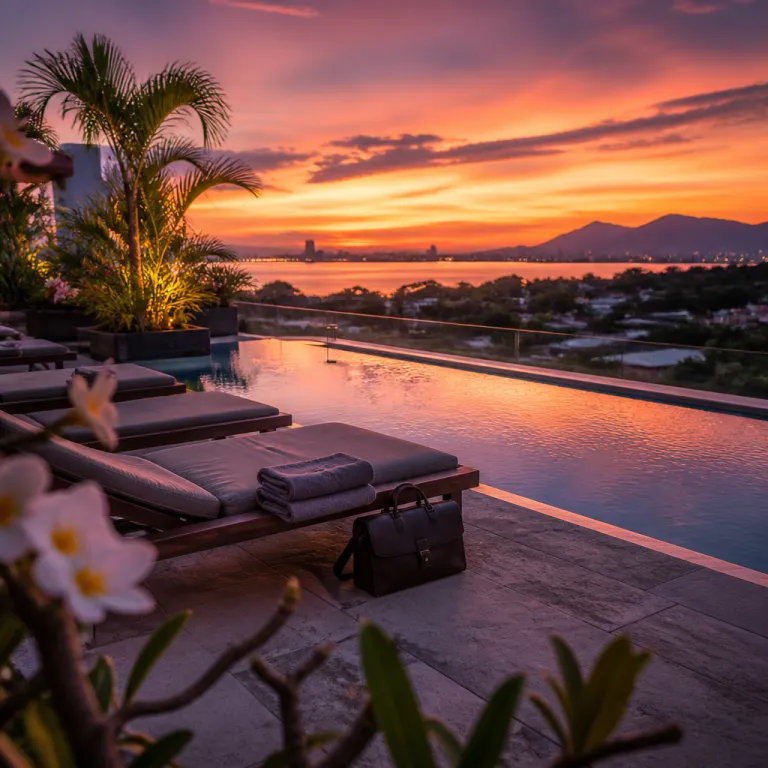
Hilton Princess Managua brings a slightly softer edge to high-end business stays, with art deco touches and a quieter pool terrace that works for informal debriefs. All three properties maintain a proper fitness center, which matters when your only free hour is at dawn before another round of presentations. For executives who want to stay Managua but feel less corporate, some smaller Managua hotels in Los Robles offer a more residential feel while still delivering business friendly service and secure airport transfers.
Across these hotels Nicaragua has raised its game in service standards, especially around early breakfast, laundry turnaround, and multilingual front desk teams. Business travelers who extend their stay often start in a core city hotel, then shift to one of the more leisure focused luxury hotels for the weekend. That two step strategy lets you keep meetings efficient in the city, then change the tone once the last contract is signed and you are ready to book a different kind of stay.
For readers comparing regional options, Managua’s upscale hotel scene now sits in the same conversation as urban properties in Costa Rica or even selected addresses in Buenos Aires. Managua hotels will not compete on spectacle, but they do compete on quiet reliability and price to quality ratio. When you check the final bill against the level of service, the best luxury addresses in the city often feel underpriced rather than aspirational.
To keep details clear, think of the main business hotels as a single cluster: Real Intercontinental Metrocentro, Crowne Plaza, and Hilton Princess, all with pools, gyms, on-site dining, and full business centers, located about 12 km from Augusto C. Sandino International Airport. That concise snapshot explains why these star hotels anchor most corporate itineraries and why more executives now treat Managua as a workable base for a long weekend rather than a city to exit as fast as possible.
Executives planning high-end business travel to Managua should still check small operational details before they book. Confirm whether your chosen hotel offers 24 hour room service, late checkout on Sundays, and a car service that can be billed directly to your room, which simplifies expense reports. When those boxes are ticked, the city becomes a practical launchpad for short escapes that feel far removed from boardrooms and fluorescent lighting.
From boardroom to weekend: planning a three day escape from Managua
Once the last meeting ends, the question becomes simple: how far can you go without wasting your hard earned downtime. Managua’s geography quietly favors the executive who wants to turn a work trip into a three day city escape. Within ninety minutes you can move from air conditioned conference rooms to crater lakes, colonial plazas, or Pacific surf, then be back in the city before your Monday flight.
The smartest strategy is to keep your first night in one of the central Managua hotels, then pivot to a different property for Saturday and Sunday. That way you maintain access to business friendly services on Friday night, including printing, last minute calls, and a fitness center to reset after travel. On Saturday morning you check out early, leave your main luggage with the hotel, and travel light toward Granada, Masaya, or the Pacific coast, depending on how ambitious you feel.
For executives who prefer minimal transfers, Granada and Masaya form the core of the three day plan that defines modern blended business and leisure trips in Nicaragua. Granada lies about 45 minutes from the city, while Masaya and its active volcano sit roughly 30 minutes away, with Laguna de Apoyo between them. This compact triangle lets travelers sample colonial architecture, lake swimming, and volcanic landscapes without committing to long drives that eat into your weekend.
Those who want a more resort style experience can push slightly farther, toward the Pacific beaches south of Managua. Tola, the coastal area known for golf resorts and surf breaks, is reachable in several hours if you leave early on Saturday, though it works better as a dedicated beach weekend than a quick overnight. For most business travelers, the best luxury to time ratio still comes from the Granada–Masaya–Apoyo circuit, which pairs well with a Friday and Sunday night in city hotels Nicaragua executives already know.
To make this concrete, imagine a timed three day itinerary. Friday: arrive in Managua, check into Real Intercontinental or a comparable luxury hotel by midafternoon, hold final meetings in the lobby café, then use the gym and pool before an early night. Saturday: depart around 8:00 a.m., reach Granada by 9:00 a.m., check into a restored mansion hotel, walk the colonial core before lunch, cruise Las Isletas at sunset, and dine in one of the city’s top restaurants. Sunday: leave Granada by late morning, stop at Laguna de Apoyo or Masaya Volcano National Park for a few hours, then return to your Managua hotel to collect luggage and head to the airport for an evening flight.
When you book your hotels for this hybrid trip, treat the itinerary as a single narrative rather than separate reservations. Align your travel dates so that your Managua hotel can store luggage and arrange a trusted driver who knows the route to Granada and back. Many star hotels now offer weekend packages that bundle airport transfers, one night in the city, and one or two nights in a partner property, which can reduce overall prices while keeping logistics clean.
For readers who want a deeper look at urban options beyond Managua, a dedicated guide to refined city hotels in Nicaragua helps frame how the capital compares with León or Granada. That broader context matters when you evaluate whether to keep your base in the city or shift entirely to another urban center for the weekend. In practice, executives on tight schedules usually keep Managua as the anchor and treat other cities as focused excursions.
Price dynamics also favor this hybrid approach, especially for travelers from the United States who are used to higher urban rates. Managua hotels often offer lower weekend prices, while Granada’s luxury hotels can feel surprisingly accessible for the level of service and setting. When you check combined prices for three nights across city and leisure properties, the total often undercuts a single night in a comparable star hotel in Costa Rica’s capital.
To keep the experience smooth, confirm cancellation policies and payment methods before you book, particularly if your company covers the business portion but you personally pay for the leisure extension. Some Nicaragua hotels can split invoices between corporate and personal nights, which simplifies reimbursement. Clear communication at the reservation stage prevents awkward conversations at checkout when you are rushing to the airport.
Finally, remember that Managua’s luxury hotels now operate in a region where travelers compare them directly with addresses in Buenos Aires, Playa del Carmen, or Costa Rica’s Pacific coast. Managua will not replicate those destinations, but it does offer a quieter, more compact canvas for a long weekend. If you plan carefully, the transition from boardroom to lake or volcano can feel almost seamless.
Granada in a day and a half: colonial circuits and upgraded stays
Granada is where many executives realize their work-focused Managua trip has shifted from obligation to pleasure. The city sits on the shores of Lake Nicaragua, framed by Mombacho volcano and a grid of pastel facades that reward slow walking. With only a day and a half, you focus on a tight circuit rather than trying to tick every church and museum.
Arrive from Managua by late morning and check into a central luxury hotel that understands short stays and late departures. Many of the best addresses here occupy restored mansions with internal courtyards, small pools, and service teams used to travelers who arrive straight from Managua hotels with laptops still open. Drop your bags, change into lighter clothes, and step directly into the colonial core, where the cathedral, Parque Central, and the lakefront all sit within easy walking distance.
The classic walking route starts at the cathedral, continues along Calle La Calzada toward the lake, then loops back through quieter residential streets. Along the way you will find cafés for a midmorning espresso, galleries that showcase regional art, and small shops selling Nicaraguan leather and ceramics that feel more considered than generic souvenirs. For travelers who value privacy, many luxury hotels in Granada can arrange private guides who adjust the pace to your schedule and your appetite for historical detail.
Late afternoon is for the lake. A short boat trip through Las Isletas, the archipelago of small islands just offshore, offers a different angle on the city and its surrounding volcanoes. Some operators run sunset cruises with drinks and light snacks, which pair well with the slower rhythm you probably craved during your week of meetings and presentations.
Dinner is where Granada quietly excels, especially for executives used to polished service in the United States or South America. Reserve a table in advance at one of the top restaurants, where menus lean on local seafood, Central American produce, and thoughtful wine lists rather than clichés. Afterward you can either walk back to your hotel through the cooler evening streets or stop for a final drink in a courtyard bar that feels a world away from Managua’s business districts.
On your second morning, wake early and use the hotel’s fitness center or pool before the sun climbs. A good luxury hotel in Granada will serve breakfast in a shaded patio, with strong coffee, fresh fruit, and eggs cooked to order, which sets a different tone from the buffet lines of larger Managua hotels. Check out by late morning, then either head toward Masaya and Laguna de Apoyo or return directly to the city if your travel dates demand it.
For a deeper dive into specific addresses and neighborhoods, consult this focused guide to refined stays in Granada. It breaks down which streets feel liveliest, which properties lean more family friendly, and where you will find the quietest courtyards for reading or remote work. That level of detail matters when you are choosing between several Nicaragua hotels that all look similar in photos but feel very different once you arrive.
From a budget perspective, Granada’s range of hotels Nicaragua wide is broad, but the upper tier remains competitive. Prices for star hotels here often sit below what you would pay in Playa del Carmen or Buenos Aires for comparable service and architecture. When you check the final bill, the combination of setting, comfort, and attentive staff usually justifies the decision to extend your stay beyond Managua.
Executives who repeat this pattern often start to treat Granada as the default add on to any high-end business itinerary in Nicaragua. They know which streets to walk, which hotel to book, and which restaurant to call for a last minute reservation. Over time, the city shifts from a side trip to a familiar second base that balances the harder edges of business with a softer, more human scale.
Volcanoes, crater lakes, and the Pacific: short nature escapes that fit a schedule
Not every executive wants a purely urban extension to their Managua hotel stay. For many, the real luxury lies in standing at the rim of an active volcano at night or swimming in a warm crater lake before lunch. Managua’s location makes those experiences surprisingly accessible without sacrificing comfort or safety.
Masaya Volcano National Park is the most dramatic option that still fits around meetings and flights. From most Managua hotels, the drive takes about 30 minutes, and organized evening tours time your arrival for dusk, when the lava glow is most visible. You stand at the crater edge, feel the heat, and watch the plume rise, then return to your luxury hotel in the city the same night.
Laguna de Apoyo offers a different kind of reset, especially for travelers who spent the week under fluorescent lights. This flooded volcanic crater sits roughly 40 minutes from Managua, with a handful of small resorts and day clubs along its shore. Many Nicaragua hotels in the capital can arrange day passes that include transport, lunch, and access to kayaks or paddleboards, so you can swim, read, and still be back in the city for dinner.
For those tempted by the Pacific, the question is whether Tola is realistic for a single overnight. If you leave Managua early on Saturday, you can reach the coastal resort zone by late morning, check into a beach facing luxury hotel, and still have a full afternoon by the ocean. This option works best when your travel dates allow a late Sunday departure, since the return drive and airport check in can compress the day.
Compared with more famous Pacific destinations like Costa Rica’s Guanacaste or Mexico’s Playa del Carmen, Nicaragua’s coast remains quieter and less built up. Prices at the best luxury resorts here often undercut their regional peers, though the range of services can be narrower. Travelers who prioritize golf, surf, and privacy over nightlife will find the trade off appealing, especially when they can pair a beach night with a previous stay Managua in a full service city hotel.
When planning these nature extensions, use your Managua hotel concierge as a central coordinator rather than booking each element separately. The top star hotels in the city maintain relationships with vetted tour operators and drivers, which reduces risk and simplifies billing. For executives used to structured itineraries in the United States or South America, that single point of contact feels familiar and reassuring.
One useful resource for shaping these escapes is a curated overview of Nicaragua sightseeing places for luxury travelers. It highlights which volcano viewpoints, lakefront spots, and coastal stretches align with higher service expectations. Cross referencing that guidance with your own schedule helps you decide whether to prioritize Masaya at night, Apoyo by day, or a Pacific overnight.
In terms of packing, treat these outings as extensions of your Managua business wardrobe rather than separate expeditions. Lightweight trousers, a breathable shirt, and proper walking shoes will carry you from hotel lobby to crater rim without feeling out of place. Most resorts and day clubs around Apoyo or the Pacific expect smart casual rather than technical outdoor gear, which keeps your luggage streamlined.
Ultimately, these short nature escapes are why repeat business travelers start to view Managua not just as a meeting hub but as a gateway. Once you realize that a star hotel in the city can be your launchpad to lava, lakes, or surf within an hour or two, the idea of flying in only for boardrooms feels unnecessarily limited. The real luxury is not just the thread count, but the contrast between your Friday spreadsheet and your Saturday horizon.
Practicalities that matter: transfers, connectivity, and why executives now linger
Elegant weekends only work when the logistics are invisible. For high-end business travel in Managua, that means reliable airport transfers, easy connectivity, and small cultural details that never become friction points. Executives who plan these elements with the same care as their meetings tend to enjoy their long weekends far more.
Start with the airport. Augusto C. Sandino International has expanded to handle larger aircraft, which has improved arrival flows for flights from the United States and other parts of South America. Most top Managua hotels offer prearranged transfers with uniformed drivers, and using these services is usually safer and more efficient than negotiating curbside taxis after a long flight.
On arrival, many travelers purchase a local SIM card from major operators at the airport or in city malls. Data coverage across Managua and the main corridors to Granada, Masaya, and the Pacific is generally solid, which supports remote work and navigation. Your luxury hotel’s front desk can help activate the SIM and ensure your phone settings are correct, a small gesture that saves time.
Currency is straightforward. The Nicaraguan córdoba circulates alongside the US dollar, and most star hotels, resorts, and higher end restaurants quote prices in dollars. You can pay by card almost everywhere in the city and in major tourist zones, though carrying some cash helps with tips and small purchases in markets or roadside stops.
Tipping norms align broadly with other parts of Central America. In restaurants, 10 to 15 percent is standard if service is not already included, while hotel staff appreciate a few dollars for luggage handling or exceptional assistance. For drivers and guides arranged through your Managua hotels, a tip at the end of the day in either dollars or córdobas is customary and always well received.
Within the city, the Los Robles neighborhood has become a favored base for dining and low key nightlife among business travelers. Here you will find a mix of restaurants, wine bars, and small hotels Nicaragua wide that feel more residential than corporate. It is the kind of area where you can walk between dinner and your hotel without feeling like you are in a conference zone, which subtly changes the tone of your stay Managua.
Executives comparing regional options often weigh Managua against hubs like San José in Costa Rica or even secondary cities like Buenos Aires for their long weekends. Managua’s advantage lies less in spectacle and more in efficiency: short transfers, competitive prices, and a growing range of luxury hotels that understand business friendly service. When you check the full cost of flights, hotels, and excursions, the overall price to experience ratio can be compelling.
Over time, these practical strengths explain why repeat visitors now extend their stays in the Nicaraguan capital. They know which Managua hotels to book, which routes to take to Granada or Masaya, and which resort to choose if they want a Pacific overnight. Familiarity reduces friction, and once the basics are handled, the country’s lakes, volcanoes, and colonial streets do the rest.
For the executive who has earned a long weekend, the decision is no longer whether Managua is worth staying in beyond the last meeting. The real question is how to structure those extra days so that your hotel choices, travel dates, and experiences align with the way you like to rest. When that alignment happens, Nicaragua stops being just another line on your business itinerary and becomes a place you actively plan to return to.
FAQ
What are the best luxury hotels in Managua for business travelers
The core set of business friendly luxury hotels includes Real Intercontinental Metrocentro Managua, Crowne Plaza Managua, and Hilton Princess Managua. These star hotels offer reliable Wi-Fi, business centers, meeting rooms, and early breakfast, which matter for tight schedules. Several smaller Managua hotels in Los Robles also serve executives who prefer a more residential feel while keeping business friendly services.
How much should I budget per night for a luxury hotel in Managua
Average nightly prices for top tier luxury hotels in Managua hover around 140–170 USD based on recent published rates, though the range of prices shifts with season and demand. Corporate rates, loyalty program offers, and weekend promotions can reduce the final price, especially if you book in advance. Compared with similar city hotels in Costa Rica or Buenos Aires, many travelers find that Managua’s best luxury properties deliver strong value.
Is it realistic to visit Granada and Masaya on a short business trip
Yes, Granada and Masaya fit comfortably into a three day extension to a Managua business trip. Granada lies about 45 minutes from the city, while Masaya Volcano National Park is roughly 30 minutes away, with Laguna de Apoyo between them. Many Managua hotels can arrange drivers and guides so you can check out of your city hotel on Saturday, spend a night in Granada, and return in time for a Sunday evening flight.
Are Managua’s luxury hotels suitable for family friendly stays after business meetings
Several Nicaragua hotels in the capital balance business infrastructure with family friendly amenities. Properties like Real Intercontinental Metrocentro Managua and Hilton Princess Managua offer pools, flexible room configurations, and attentive staff who can help organize short excursions. Executives often extend their stay Managua by inviting family to join for the weekend, then using the city as a base for day trips to Granada, Masaya, or Laguna de Apoyo.
How does Managua compare with other Central American cities for combined business and leisure travel
Compared with larger hubs in South America or Central America, Managua offers shorter transfers, competitive hotel prices, and quick access to lakes, volcanoes, and the Pacific coast. While the city itself is less visually dramatic than some capitals, the surrounding destinations make high-end business travel in Nicaragua attractive for executives who value efficient logistics. Many repeat travelers now choose Managua precisely because they can move from boardroom to crater lake or colonial plaza in under an hour.