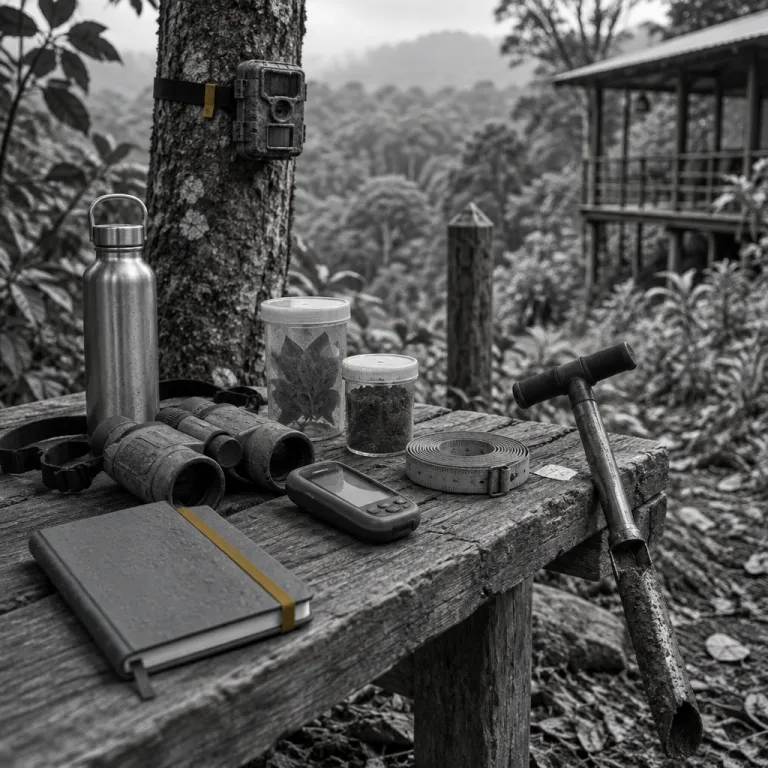
Reading the conservation ledger before you book
Nicaragua rewards travelers who ask precise questions before they book. A serious Nicaragua eco lodge conservation stay starts with understanding what the property is actually protecting, not just how the website photographs the pool. When you compare eco lodges and eco resorts, think like an auditor reading a conservation ledger rather than a guest scrolling pretty images.
Begin with land, because every credible lodge in Nicaragua should be able to state how many hectares of forest, wetland or coastline it stewards. Some luxury eco lodges on the Pacific coast operate inside private reserves, while others border community lands where conservation depends on negotiated agreements with local families. When you plan a Nicaragua eco trip, ask each lodge Nicaragua property to share maps that show protected zones, wildlife corridors and any reforestation areas that extend beyond the immediate ocean view or farm table garden.
Water and waste systems are the next line items on your nicaragua eco ledger. True eco hotels publish how they treat greywater, manage blackwater and reduce plastic, and they explain these sustainable practices clearly to guests during the stay. When you check availability, look for specific references to constructed wetlands, on site composting and eco friendly cleaning protocols rather than vague promises about being green.
Green marketing versus measurable protection on the ground
Many hotels in Nicaragua now describe themselves as eco hotels, yet only a fraction can show measurable conservation outcomes. A meaningful Nicaragua eco lodge conservation stay will reference wildlife monitoring, species lists and long term habitat projects, not just recycled menus and bamboo straws. When a property claims to be an ecolodge, ask what has changed in the surrounding landscape since it opened.
Look for numbers that can be verified, such as hectares reforested, turtle nests protected or bird species recorded by visiting travelers and researchers. Serious eco lodges often collaborate with local biologists or conservation NGOs, and they may publish annual reports that detail renewable energy usage, water savings and waste diversion rates. Before you travel, read any sustainability pages carefully and compare them with independent overviews of sustainable luxury and premium hotel booking experiences in Nicaragua, such as the guidance on eco conscious travel trends.
Community impact belongs on the same ledger as wildlife protection, especially in rural Nicaragua. Ask how many staff come from local communities, whether management roles are open to local talent and how training is handled for new eco friendly operations. A lodge that treats nearby villages as partners rather than scenery will usually be transparent about wages, sourcing and shared tourism benefits.
Community, land rights and who benefits from your stay
Conservation in Nicaragua is never just about trees and turtles ; it is also about land rights, livelihoods and who controls access to natural resources. When you choose a Nicaragua eco lodge conservation stay, you are entering a web of relationships between lodge owners, local communities and the ecosystems that support both. The most responsible eco lodges treat this web as a long term partnership rather than a marketing story.
Ask directly how land was acquired for the lodge Nicaragua property and whether any community agreements or conservation easements exist. Some luxury eco lodges on the Pacific coast, near areas like San Juan del Sur or the quieter Costa Dulce stretch, operate on private land that once supported cattle or subsistence farming. Others, including certain eco resorts on islands or lakes, may lease land from cooperatives or families who retain traditional rights to fish, farm or gather forest products.
Food is another clear indicator of whether your stay supports local economies in a sustainable way. Properties that highlight farm table dining should be able to name the farms, fishermen and cooperatives that supply their kitchens, and they should explain how seasonal menus reduce pressure on fragile ecosystems. When you read reviews of luxury eco hotels in Nicaragua, including curated roundups such as sustainable elegance by the ocean and lake, pay attention to how often guests mention genuine local engagement rather than staged cultural performances.
Where luxury and eco claims align, from Morgan’s Rock to Jicaro Island
High end lodges in Nicaragua prove that comfort and conservation can reinforce each other when design is thoughtful. A well run Nicaragua eco lodge conservation stay uses luxury to deepen guests’ connection with the landscape, not to seal them off from it. The question for solo travelers is whether the premium you pay is underwriting real protection or just funding a more elaborate cocktail list.
On the Pacific coast, properties such as Morgan’s Rock near San Juan del Sur have built reputations around private reserves, wildlife corridors and long term reforestation projects. When you evaluate any morgan rock style property, ask how much of the surrounding forest is formally protected, how often wildlife is monitored and whether renewable energy systems power core operations. Ocean view villas can coexist with howler monkeys and nesting turtles when eco friendly lighting, low density construction and strict beach access rules are part of daily management.
In Lake Nicaragua, island properties such as Jicaro Island have shown how small scale eco lodges can integrate renewable energy, careful water treatment and low impact architecture. A serious ecolodge on an isleta will limit motorized traffic, manage greywater meticulously and train guests in low impact behavior from the moment they check availability. When you compare these models with newer eco resorts and eco hotels, look for similar depth in sustainable practices rather than surface level gestures.
How to verify eco claims during your stay
The most reliable test of a Nicaragua eco lodge conservation stay happens once you arrive. Walk the property slowly, talk with staff and notice how other guests interact with the environment. Real eco lodges feel like living systems where conservation shapes daily routines, not just a framed policy near reception.
Start with energy and water, because these are easy to observe even without technical expertise. Ask to see any solar arrays or renewable energy installations, and notice whether air conditioning is used sparingly or left running in empty rooms. In bathrooms, check for low flow fixtures, clear signage about water use and evidence that greywater is treated or reused rather than simply discharged.
Then look beyond infrastructure to how the lodge relates to its surroundings, especially in regions like San Juan del Sur, Costa Dulce or the more remote Pacific coast. Are trails clearly marked to protect fragile vegetation, and do guides explain why certain areas remain off limits to travelers ? During meals, does the farm table concept translate into seasonal menus that highlight local produce, or are imported ingredients dominating plates in an otherwise natural setting ?
Practical booking tactics for a meaningful conservation stay
Before you commit to any Nicaragua eco lodge conservation stay, treat the booking process as your first sustainability audit. The way a property responds to detailed questions about eco friendly operations, community partnerships and conservation outcomes tells you almost as much as its location. Solo travelers who ask for specifics usually receive more honest answers and enjoy richer stays.
When you check availability online, look for sustainability sections that go beyond generic eco language and list concrete sustainable practices. Strong eco lodges will mention renewable energy, waste treatment, wildlife monitoring and community programs in the same breath as room categories and ocean view descriptions. If a property near San Juan del Sur or along the Pacific coast highlights luxury eco credentials, ask for examples of recent conservation projects and any third party certifications.
Use curated resources that track Nicaragua’s evolving eco resorts and lodges to cross check what you read on individual hotel sites. Roundups of new and reopened properties, such as the seasonal watchlist on the new and reopened properties worth watching, can help you identify which hotels are investing in deeper sustainability. Over time, your choices as guests send clear signals to the market about which conservation models deserve to thrive and which are just rock bottom examples of greenwashing.
FAQ
How can I tell if a Nicaraguan eco lodge is genuinely sustainable ?
A genuinely sustainable lodge in Nicaragua will publish specific data about land protection, water and waste systems, and community impact. Look for clear information on hectares conserved, renewable energy use and local hiring, and verify that staff can explain these programs consistently during your stay. If answers remain vague or focus only on towels and straws, the eco claim is probably shallow.
What questions should I ask before booking a Nicaragua eco lodge conservation stay ?
Ask how much land the lodge protects, how it manages water and waste, and what percentage of staff come from nearby communities. Request details on renewable energy systems, wildlife monitoring and any partnerships with local conservation groups. You can also ask whether independent auditors or certifications have reviewed the property’s sustainable practices.
Are luxury eco lodges in Nicaragua more sustainable than simpler options ?
Luxury eco lodges often have more capital to invest in renewable energy, advanced water treatment and habitat restoration, which can improve conservation outcomes. However, some smaller lodges and ecolodges with modest facilities may have deeper community ties and lighter footprints. Compare each property’s conservation ledger rather than assuming that higher prices always mean stronger sustainability.
How does staying in eco lodges benefit local communities in Nicaragua ?
When managed responsibly, eco lodges create stable jobs, support local suppliers and share tourism revenue with nearby villages. They may fund schools, health clinics or conservation education, and they often provide training that helps staff build long term careers in hospitality. Ask for concrete examples of community projects and how decisions are made with local partners.
Is it better to stay on the Pacific coast or Lake Nicaragua for conservation focused travel ?
The Pacific coast offers access to marine conservation projects, turtle nesting beaches and dry forest reserves, while Lake Nicaragua and its islands highlight freshwater ecosystems and birdlife. Both regions host eco lodges and eco resorts with strong conservation programs, so your choice should reflect the habitats and activities that interest you most. In either case, prioritize properties that can demonstrate measurable protection of land, water and wildlife.