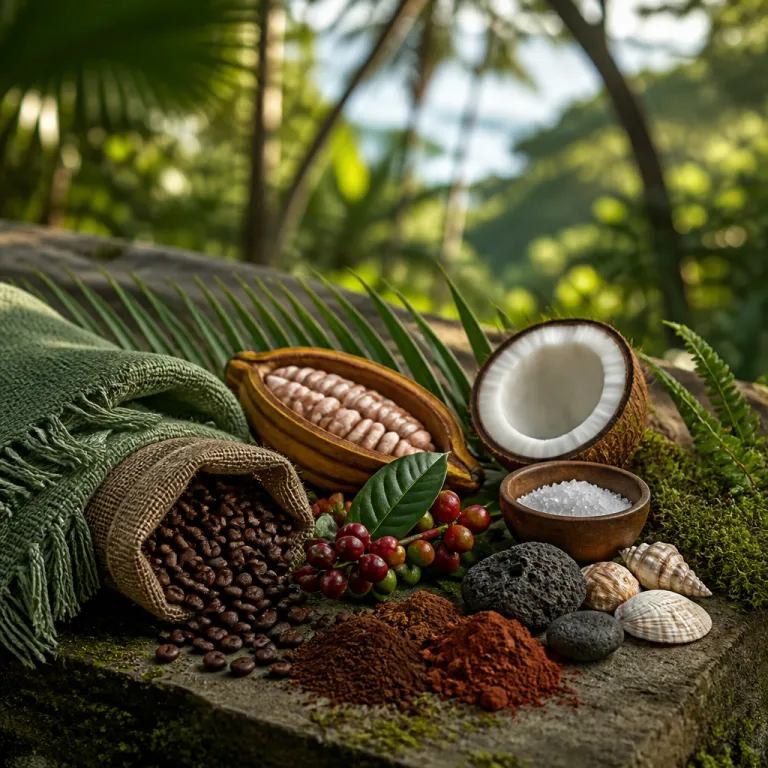
Why a slow travel Nicaragua two week itinerary changes everything
Most visitors plan a Nicaragua itinerary of barely ten days. A slow travel Nicaragua two week itinerary gives you the time to feel each town, each lake, and each beach settle into your rhythm. Those extra days in Nicaragua turn rushed sightseeing into unhurried mornings, long conversations, and evenings when you finally stop checking the time.
Nicaragua travel rewards patience because distances are short but contrasts are huge. In a single day you can move from a Pacific coast beach to a cool highland coffee farm, or from a colonial city center to an island in Lake Nicaragua framed by a smoking volcano. That geographic diversity across Central America is exactly why weeks in Nicaragua, not days, make sense for couples who value depth over speed.
Slow travel here means choosing fewer bases and better hotels rather than hopping hostel to hostel. You might start with three or four day stays in a refined property near San Juan del Sur, then shift to a heritage address in Granada’s city center, and finally retreat to an eco focused lodge overlooking Laguna Apoyo or Lake Nicaragua. This kind of Nicaragua itinerary lets you experience both the energy of a city and the quiet of an island without feeling like you live on a bus.
Many couples worry that two weeks in Nicaragua will feel long. In reality, the third night in one place is when the staff start greeting you by name and the chef remembers how you like your coffee. That is also the time visit when local guides open up about their own Nicaragua travel stories, and when a town stops being a backdrop and becomes a place you understand.
Slow travel also changes how you move between regions. Instead of sprinting from León to Granada in a single public bus ride, you can pause at San Jorge on the shore of Lake Nicaragua and watch the ferries glide toward Ometepe island. You might still use a bus for short hops during the day, but for longer transfers a private driver or hotel car service keeps the journey comfortable and unhurried.
The Pacific phase: refined beach time near San Juan del Sur
For the first phase of a slow travel Nicaragua two week itinerary, the Pacific coast is your decompression zone. Flying into Managua or via San José in Costa Rica, you can reach the beach in a few hours and let the sound of waves erase the travel day. This is where weeks in Nicaragua start gently, with sunsets, seafood, and the luxury of not needing to do anything at all.
San Juan del Sur is the best known Pacific town, and for good reason. The bay curves softly, the hills hold a mix of villas and small hotels, and the atmosphere feels more polished than a simple surf hostel scene. Couples who want privacy can base themselves outside the town of San Juan del Sur, on a quieter beach where the only night noise is the ocean and the occasional celebration from a nearby finca.
From a high end property on this stretch of Pacific coast, you can design each day around your own pace. One day in San Juan might be devoted to a private sailing charter, another to horseback riding along the beach, and another to a long lunch at a farm to table restaurant inland. When you stay three or four days, the staff learn your preferences and the experience becomes less like a hotel stay and more like a temporary home.
Some couples arrive overland from Costa Rica, crossing the border after a night in San José or a coastal resort in Costa Rica. In that case, arrange a driver through your Nicaragua travel hotel rather than relying on a public bus for the final stretch, because the comfort upgrade is worth the cost. If you are comparing elegant Nicaragua sites for a luxury minded escape, resources like this curated Pacific and colonial hotel guide help you choose properties that match your expectations.
Hidden gems on this coast lie north and south of the main bay. To the north, smaller coves offer intimate beach clubs and villas where you can watch the day fade with almost no one else around. To the south, roads become rougher but lead to wild stretches of sand where you might share the beach only with pelicans and the occasional rider heading back to town before dark.
The colonial phase: Granada, León and volcanic lakes at a slower pace
After the beach, the heart of a slow travel Nicaragua two week itinerary belongs to the colonial cities. Granada and León are the cultural anchors of Nicaragua, and giving each city at least one full day transforms your understanding of the country. These are places where the architecture, the plazas, and the daily rituals of Nicaraguan life unfold in front of you if you simply sit still long enough.
Granada works beautifully as a base for several days in Nicaragua travel. Stay in a restored mansion near the city center, where courtyards stay cool and service feels quietly attentive rather than showy. From here, a classic day in Granada might start with coffee on the patio, continue with a guided walk through the cathedral and markets, and end with a sunset boat ride among the islets of Lake Nicaragua.
Use Granada for thoughtful day trips instead of constant hotel changes. One day from Granada you can visit Laguna Apoyo, a crater lake with clear water and refined lakeside lodges that offer day passes and private decks. Another day from the city, you can head toward Masaya volcano for evening lava viewing, then return to your Granada hotel for a late dinner and a nightcap by the pool.
León deserves its own chapter in any Nicaragua itinerary, especially for couples intrigued by history and volcano landscapes. The city center holds grand churches, contemporary art spaces, and cafés where students and travelers share tables. Outside town, the black slopes of Cerro Negro host the famous volcano boarding runs that have become a signature Nicaragua travel experience for adventurous guests.
Transfers between these cities can be tailored to your comfort level. A public bus between Granada and León is inexpensive and atmospheric, but a private transfer arranged by your hotel lets you stop at viewpoints over Lake Nicaragua or at small towns along the way. If you are considering extending your route toward the Caribbean, refined stays on Corn Island and especially on Little Corn Island are well documented in guides such as this detailed look at Caribbean island hotels.
Islands, highlands and coffee country: Ometepe, Matagalpa and beyond
The middle of a slow travel Nicaragua two week itinerary is the moment to leave the lowlands. Ometepe island, rising from Lake Nicaragua on two volcanoes, offers a different rhythm entirely from the Pacific coast or Granada. Here, days in Nicaragua stretch out between lake swims, farm visits, and long dinners under wide open skies.
Reaching Ometepe usually involves a drive to the small port town of San Jorge, followed by a ferry across the lake. You can arrive by public bus from Granada or by private car, but either way the crossing itself becomes part of the experience. As the boat approaches Ometepe island, the twin volcano silhouettes remind you that Nicaragua holds nineteen active volcanoes, according to the Nicaraguan Institute of Territorial Studies.
On Ometepe, choose a property that matches your appetite for comfort and immersion. Some couples prefer a lakeside lodge with polished service, while others opt for a more rustic eco retreat in a smaller town on the slopes of the volcano. Staying at least two or three nights allows time to visit petroglyph sites, kayak through wetlands, and still enjoy slow mornings watching the light change over Lake Nicaragua.
From here, the highlands around Matagalpa and Jinotega offer a welcome temperature shift. With an average annual temperature of around 27 °C in Nicaragua overall, the cooler air in coffee country feels especially pleasant after several hot days on the Pacific coast. This is where you trade beach walks for cloud forest trails and conversations with coffee producers who host travelers in comfortable guest rooms rather than simple hostel beds.
Many of the most rewarding stays in the highlands are on working fincas. You might wake to the sound of beans being processed, then spend the day walking through shade grown plots with a local guide who explains how global demand shapes life in this part of Central America. For couples curious about combining coffee, craters, and refined lodging, the detailed review of Mombacho area stays at this Mombacho coffee and crater lodge guide offers a useful benchmark for service and setting.
Logistics, transfers and what two weeks in Nicaragua really cost
Designing a slow travel Nicaragua two week itinerary for couples means balancing comfort, time, and budget. Internal transfers shape how relaxed your days feel, so it pays to plan them with the same care you give to hotel choices. The goal is to spend more time by the pool, on the lake, or in a city plaza than on a bus.
For most routes, a mix of private drivers and selective public bus rides works well. Use a public bus for short hops between nearby towns during the day, when the experience can be lively and safe with standard precautions. For longer stretches between Granada, León, San Juan del Sur, and the highlands, a car and driver arranged through your hotel keeps the journey efficient and comfortable.
Some travelers arrive via Costa Rica, combining a few days in Costa Rica with a longer stay in Nicaragua. In that case, consider flying into San José, spending a night to recover from the international flight, then crossing the border by road the next day. Others fly directly into Managua and head straight to their first beach or city hotel, saving the capital for a final night if flight times require it.
Costs for two weeks in Nicaragua vary widely by style. At the budget end, using hostels, public buses, and simple guesthouses, a couple can keep daily expenses relatively low while still enjoying paid activities like volcano boarding near León. At the luxury end, staying in high end hotels on the Pacific coast, in Granada’s historic center, and on Ometepe island, with private transfers and curated excursions, brings the daily cost closer to what you might expect in other parts of Central America.
Whatever your budget, slow travel principles remain the same. Choose fewer bases, stay longer in each city or island, and invest in experiences that connect you to Nicaragua’s culture and landscapes. As one local definition puts it, “Travel focusing on deeper connections with local cultures and environments.”
When to go, safety, and how to make the most of your stay
Timing matters when you plan a slow travel Nicaragua two week itinerary. The dry season, from November to April, is widely considered the best time visit because roads are more reliable and skies are clearer over every lake and volcano. That window is ideal for a route that links the Pacific coast, Granada, Ometepe island, and the highlands without weather related disruptions.
Safety is a common question for couples considering weeks in Nicaragua. The country is generally safe for travelers who exercise standard precautions, just as they would in any other part of Central America. In practice, that means using registered taxis or hotel arranged drivers at night, keeping valuables discreet, and choosing reputable hotels rather than the cheapest hostel in town.
Language and etiquette also shape how welcome you feel. Learning basic Spanish phrases before your Nicaragua travel goes a long way with staff and drivers, especially outside the main city center areas. Respecting local customs, dressing modestly away from the beach, and greeting people politely in each town or island you visit all contribute to smoother interactions.
Hydration and climate awareness are simple but important details. With average temperatures around 27 °C, long days in the sun at the beach or on a volcano hike can be draining without enough water and shade. Many upscale hotels provide filtered water, sun hats, and early morning departure times for hikes to avoid the strongest heat of the day.
Finally, remember that slow travel is as much a mindset as an itinerary. Give yourself permission to skip a museum in León to linger over coffee, or to trade a planned excursion from Granada for an unscheduled afternoon by the pool. Those unscripted hours are often when Nicaragua stops being a destination on a map and becomes a place you feel connected to long after you leave.
FAQ: planning a slow travel Nicaragua two week itinerary
What is slow travel in the context of Nicaragua?
Slow travel in Nicaragua means spending several days in each place, choosing fewer bases, and prioritizing meaningful experiences over checking off sights. You might stay four nights in Granada, three on the Pacific coast near San Juan del Sur, and several more on Ometepe island or in the highlands. The emphasis is on deeper cultural connections, relaxed pacing, and sustainable choices rather than rushing between towns by bus every day.
Is Nicaragua safe for travelers on a two week trip?
Nicaragua is generally safe for travelers who use standard precautions, such as avoiding isolated areas at night and using trusted transportation. Most couples feel comfortable walking in the city center of Granada and León after dark, especially near their hotels and main plazas. As one reference puts it, “Is Nicaragua safe for travelers? Generally safe; exercise standard precautions.”
What is the best time to visit Nicaragua for this itinerary?
The dry season from November to April is usually the best time visit for a coast to highlands route. Roads are in better condition, rain is less frequent, and visibility is clearer over volcanoes, lakes, and the Pacific coast. This period also works well for combining beach days, city stays, and highland hikes without major weather disruptions.
Do I need to speak Spanish to travel comfortably in Nicaragua?
Many hotel staff and tour operators in Nicaragua speak English, especially in Granada, León, and San Juan del Sur. However, learning basic Spanish phrases makes daily interactions smoother, particularly when using a public bus, visiting smaller towns, or staying on Ometepe island and in the highlands. Locals generally appreciate the effort, and it often leads to warmer service and more personal recommendations.
How should I move between regions during my two week stay?
A combination of private drivers and selective public bus rides works best for most couples. Use hotel arranged transfers for longer stretches between the Pacific coast, Granada, León, and the highlands, then consider a public bus for short daytime hops between nearby towns. Ferries connect San Jorge to Ometepe island, and your hotel can usually coordinate schedules so the overall journey remains comfortable and unhurried.