What design led hospitality means on Nicaragua’s Pacific coast
Design led hospitality in Nicaragua starts with a clear architectural idea grounded in real projects. At properties such as Mukul Beach, Golf & Spa (opened 2013 on the Emerald Coast with around 40 villas and bohíos designed by HKS Architects), every wall, courtyard and corridor is part of a coherent concept that shapes how you move, sleep and work. For travelers seeking a luxury or boutique hotel that feels intentional, this consistency matters more than any single amenity.
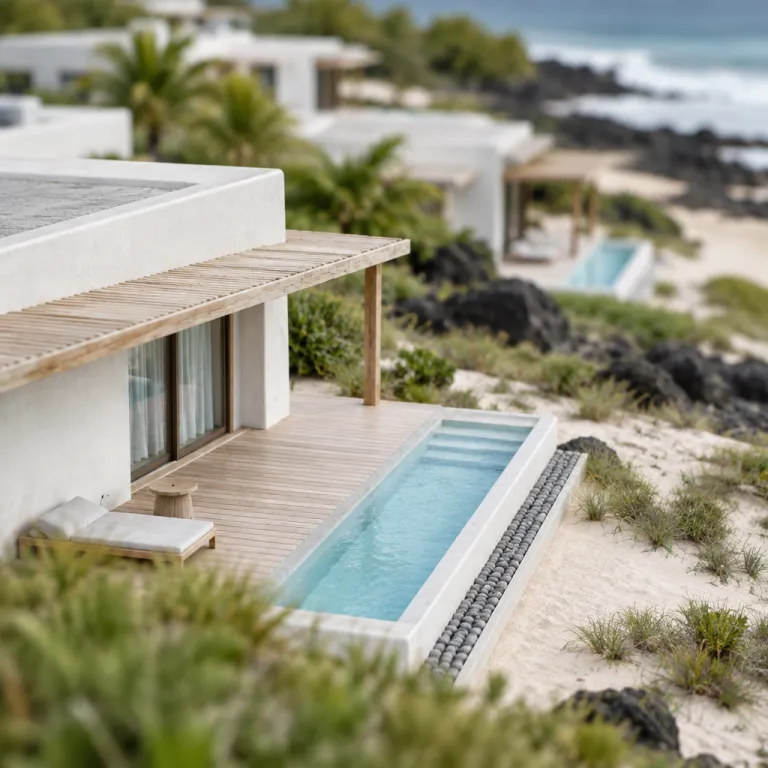
On the Pacific coast of central Nicaragua, newer coastal retreats treat architecture as the main narrative. Mukul’s low sloping roofs, volcanic stone walls and polished concrete floors frame views of the Pacific and surrounding forest rather than compete with them. Tribal Hotel’s coastal sister projects follow a similar logic, using a calibrated blend of volcanic stone, smooth concrete and tropical hardwoods to keep sightlines open. When a hotel is planned this way, travelers experience a calm, almost intimate feel that supports both focused work and slow evenings.
True design hotels in Nicaragua are not about a theatrical lobby or a themed swimming pool. They are about rooms that manage light, air and sound so your experience remains comfortable from sunrise calls to late night emails. For business leisure travelers seeking reliable comfort, this kind of thoughtful design often matters more than the number of restaurants or the size of the gym, because it directly affects sleep quality and concentration.
Look for architecture that responds to climate rather than fighting it. Deep overhangs, shaded walkways and cross ventilation reduce the need for constant air conditioning and keep interiors quiet. In these hotels, the line between interiors and terraces softens, and you feel the Pacific breeze without leaving your private space, a key advantage in Nicaragua’s warm, humid coastal zones.
Design led properties in Nicaragua also rethink circulation and everyday routes. Instead of long anonymous corridors, you might walk through open air galleries lined with local art or small gardens shaped by careful landscape design. These routes turn simple movements between rooms into short cultural experiences that remind you where you are in Central America and how closely the hotel is tied to its setting.
The Nicaraguan palette: from colonial Granada to coastal pavilions
Granada Nicaragua remains the country’s most architectural city, and its colonial buildings quietly guide many coastal projects. Around the central plaza, restored mansions such as Hotel Plaza Colón and La Gran Francia show how thick masonry walls, shaded arcades and internal courtyards can keep rooms cool without heavy technology. When you evaluate Nicaraguan hotel architecture and interiors online, notice which ones reinterpret this passive cooling logic rather than copying surface details like arches or bright paint.
In Granada, hotel owners often work with local artisans to restore hand painted tiles, carved doors and traditional ironwork. These elements then inspire newer hotels on the Pacific, where designers translate the same cultural vocabulary into lighter beach pavilions and open plan suites. The result is a designed blend of colonial memory and contemporary lines that feels distinctly Nicaraguan, not imported from another part of Central America.
For travelers seeking meaningful experiences, this palette matters. A coastal hotel that borrows Granada’s courtyard typology might place a long swimming pool where a carriage yard once would have been, then wrap it with intimate rooms that open directly to water and greenery. You gain the privacy of an inner world while still sensing the wider landscape and local culture beyond the walls, a balance that suits both short breaks and extended stays.
When you browse luxury or boutique hotels on a premium booking website, pay attention to materials and how they age. Volcanic stone from Nicaragua’s highlands, warm cedar, and woven palm can signal a serious approach to architecture and interiors. These choices often perform better over time than imported laminates, and they anchor your stay in the textures of local nature and culture while reducing replacement cycles.
Design led properties also use color with intent. Soft neutrals keep rooms calm for business calls, while accents of indigo or terracotta echo Granada’s façades and regional textiles. If you want to go deeper into how elevated stays are curated, look for guides to luxury and premium hotel booking experiences in Nicaragua that analyze these visual decisions and explain why certain palettes support rest and focus.
Architecture versus interiors: how spaces shape your stay
Architecture sets the bones of a hotel, while interiors tune the experience. In serious Nicaraguan design hotels, the two disciplines work together so that furniture, textiles and lighting reinforce the building’s original idea. You feel this alignment the moment you step from a shaded exterior walkway into your room and notice how ceiling height, window placement and materials all support the same story.
On the coast, some hotels use long, low pavilions that run parallel to the beach. These structures allow every room to face the ocean, while deep verandas and adjustable screens manage sun and wind. Inside, interiors stay deliberately quiet, with low sofas, natural fibers and local art that echo the landscape design outside rather than competing with it, creating a continuous visual rhythm from bed to horizon.
In Granada, by contrast, many hotels adapt colonial buildings with high ceilings and thick adobe or stone walls. Here, interiors often lean into cultural references, using ceramics, carved wood and textiles that speak to the city’s layered history. When done with thoughtful design, these elements create an intimate feel that suits travelers who want both privacy and a strong sense of place, especially during evenings in the courtyard.
For travelers seeking clarity before booking, photographs rarely tell the full story. A wide angle shot of a swimming pool can hide how sound travels from bar to rooms, or how circulation routes intersect with service areas. Detailed descriptions of architecture and interiors on a booking website help you skip content that focuses only on styling and instead focus on how the hotel will actually function for your stay, from check in to late night returns.
Design led hospitality also affects how you work. A room with a proper desk near natural light, good acoustics and discreet power outlets supports business calls far better than a visually dramatic but impractical layout. For more on how interiors influence high end stays, in depth pieces on interior design trends for discerning travelers in Nicaragua can be a useful reference when you compare room types and layouts.
Cultural, tribal and natural narratives in Nicaraguan hotel design
Many of the most interesting design hotels in Nicaragua weave cultural and tribal references into their architecture and interiors. This does not mean themed décor; it means working with local communities, materials and stories so that the hotel becomes an opportunity to immerse yourself in place. When this is handled with respect, travelers experience something richer than generic luxury and more grounded than a simple style exercise.
Along the Pacific and on islands, some properties describe themselves as a tribal hotel, using that term to signal a closer relationship with local culture and nature. Tribal Hotel in Granada, for example, was co created by Marc Houmard and Jean Marc Houmard and uses handwoven hammocks, ceramics fired in nearby villages and carved details that reference regional patterns. These elements, when integrated into a designed blend of modern lines and traditional craft, give rooms an intimate feel without slipping into pastiche.
Local art plays a central role in this narrative. Instead of mass produced prints, serious hotels commission painters, photographers and sculptors from Granada and other cities in Central America. For travelers seeking authenticity, these works turn corridors into quiet galleries and make each room feel like a small cultural experience rather than a standard unit, often with pieces cataloged so guests can learn about the artists.
Nature is the other major author of Nicaraguan design. Landscape design often uses native plants, volcanic rock and existing trees to frame paths and terraces, rather than clearing the site completely. When architecture respects the land, you sense it in the way shadows fall across the swimming pool or how a simple bench is placed to catch both breeze and view, especially at sunrise and sunset.
Some of the most memorable hotel experiences in Nicaragua lean into the country’s geology. Properties built near craters or lava fields use dark stone, raw textures and open fire features to echo the terrain, turning the land itself into an amenity. If this speaks to you, guides to rooms that make Nicaragua’s geology the amenity can help you identify hotels where design and landscape are inseparable and where outdoor spaces feel as considered as interiors.
How to read photos, plans and descriptions before you book
For a business leisure traveler, the challenge is separating genuine design intent from a well staged lobby. When you scan hotel architecture and interiors in Nicaragua on a booking platform, start by looking at floor plans or at least multiple angles of the same room. Consistent proportions, logical circulation and clear zoning for sleep, work and relaxation usually indicate thoughtful design and a higher chance of day to day comfort.
Pay attention to how many images show transitional spaces. Hotels that highlight only the lobby, bar and swimming pool may be hiding narrow corridors or compromised rooms. By contrast, properties that show staircases, walkways and service areas are often more confident in their architecture and interiors, and more transparent about the full experience from arrival to checkout.
Text descriptions can also reveal priorities. Phrases about cross ventilation, orientation to sunrise or sunset, and landscape design suggest that the architect considered climate and daily rhythms. When a hotel explains how its rooms are insulated from noise or how lighting supports both rest and work, you can expect a more comfortable stay, especially if you plan to take calls or write reports from your room.
Some travelers seeking strong design references will research the creative team behind a hotel. Names like Yvan Cussigh, Marc Houmard or Jean Marc appear in regional design conversations, but always verify current projects and roles through independent research and up to date sources. If an architect or designer is mentioned, check whether their work in Nicaragua extends beyond a single property and how they engage with local culture and artisans.
Finally, use reviews strategically. Focus on comments about acoustics, natural light, air flow and the feel of materials underfoot, rather than only service anecdotes. These details tell you whether the architecture and interiors support real world experiences, from early morning calls to late returns from Granada’s restaurants, without compromising comfort or privacy for you or your travel companions.
Positioning Nicaragua within Central America’s design landscape
Nicaragua now sits in an interesting position within Central America’s hospitality map. While neighboring countries have long promoted luxury resorts, Nicaragua’s design hotels are emerging more quietly, often led by small teams who treat architecture as a long term investment. For travelers, this means a chance to experience high level design before the coastline becomes saturated with large scale developments.
Compared with some regional destinations, Nicaraguan hotels tend to work more directly with existing structures and landscapes. In Granada, colonial buildings become hotels that respect original courtyards and façades while updating interiors for contemporary comfort such as reliable Wi Fi and efficient lighting. On the coast, new builds often keep a low profile, using horizontal lines and natural materials to sit gently between ocean and forest.
This restraint creates a different kind of luxury. Instead of monumental lobbies, you find intimate rooms with carefully framed views, quiet air flow and a strong connection to local nature and culture. For travelers seeking both efficiency and depth, this balance suits business meetings by day and reflective evenings by the Pacific, whether you stay for a weekend or a full working week.
Within this context, Nicaragua’s boutique hotel scene offers something that feels both current and grounded. You are not choosing between a tribal hotel and a city property; you are choosing how closely you want to live with the landscape and how much cultural texture you want in your daily routine. Either way, the best hotels use design to make every transition, from airport to meeting room to terrace, feel coherent and unhurried.
As you plan, remember that a premium booking website focused on Nicaragua can help you skip content that treats design as decoration. Instead, look for curation that evaluates architecture, interiors and landscape together, and that treats your stay as an integrated experience rather than a list of amenities. Over time, these choices will shape how Nicaraguan hospitality evolves and which properties set the standard for the region’s design led boutique hotels.
FAQ
How do I identify genuinely design led hotels in Nicaragua when booking online?
Look for properties that explain their architecture, not just their décor. Serious hotels will mention orientation, materials, ventilation and how rooms are organized for work and rest. Multiple photos of circulation spaces, courtyards and terraces are another sign that design is central to the hotel’s identity rather than an afterthought.
Are design focused hotels in Granada suitable for business leisure travelers?
Yes, many Granada hotels housed in colonial buildings now offer strong Wi Fi, dedicated work areas and quiet rooms. The best examples combine historic architecture with contemporary interiors that support both meetings and downtime. You gain cultural depth without sacrificing the practical comforts needed for business travel and remote work.
What role does local art play in Nicaraguan hotel interiors?
Local art often anchors the identity of design hotels in Nicaragua. Paintings, ceramics and textiles from Granada and other regions of Central America help connect interiors to surrounding culture. When curated carefully, these works turn corridors and rooms into small galleries that enrich your stay and introduce you to regional artists.
Is a swimming pool standard in Nicaragua’s design led coastal properties?
Most coastal luxury hotels in Nicaragua include a swimming pool, but the way it is integrated varies. In design led projects, the pool usually aligns with views, wind patterns and landscape design rather than being placed randomly. This integration affects privacy, noise levels and how comfortably you can use the space throughout the day, from early laps to sunset gatherings.
How does Nicaraguan hotel design differ from other Central American destinations?
Nicaraguan properties often show more restraint in scale and styling than some neighboring countries. Architecture tends to sit lower in the landscape, and interiors lean on local materials rather than imported finishes. For travelers, this usually translates into a quieter, more intimate feel that stays closely connected to nature and culture while still meeting contemporary expectations.